Experts Call for Reforms to Boost Nigeria's Capital Market and SME Funding
At a symposium marking its 30th anniversary, financial experts urged reforms to enhance Nigeria's capital market and support SMEs.


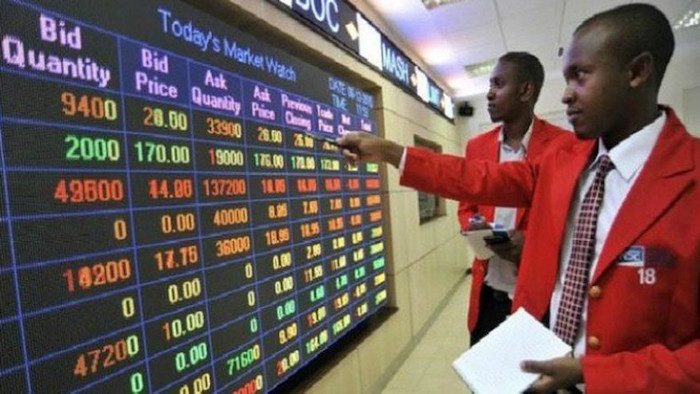
Financial market experts have called for urgent reforms in Nigeria's capital market to enhance funding for small and medium-sized enterprises (SMEs) and attract more investment. This call was made during the 30th Anniversary Symposium of the Association of Issuing Houses of Nigeria (AIHN) held in Lagos, where participants discussed the evolution of the capital market and the potential for deeper investment and innovation.
Dr. Ike Chioke, the Group Managing Director of Afrinvest West Africa Limited, emphasized that the growth of the capital market is significantly hindered by the pace and quality of regulatory reforms. He pointed out that while previous changes to Nigeria's securities laws have improved the market, there is a pressing need for a more collaborative approach between regulators and market operators to keep up with innovations.
Chioke highlighted the critical role of the capital market in financing economic development, particularly for SMEs, which are vital for job creation and economic activity. He noted that many SMEs struggle to formalize their operations, which limits their access to long-term capital. To address this, he proposed fiscal and regulatory incentives to encourage SMEs to establish proper governance structures and accounting systems. "An average entrepreneur wants to run from the process," he remarked, underscoring the necessity of making compliance more appealing to business owners.
Mrs. Ozofu ‘Latunde Ogiemudia, Deputy Managing Director of Udo Udoma & Belo-Osagie, echoed Chioke's sentiments, stating that Nigeria cannot afford prolonged gaps between significant legislative reforms in the capital market. She pointed to the recent Investments and Securities Act 2025 as a step forward but noted that it still builds on previous reforms, indicating a slow legislative pace. Ogiemudia stressed the importance of adapting regulations to the rapid advancements in technology, including artificial intelligence, to maintain competitiveness with international standards.
The symposium also addressed market stability, with Mr. Abiodun Akinjayeju, Managing Director/CEO of FundQuest Financial Services, identifying increased capital requirements for market operators and the demutualization of the Nigerian Exchange as key developments. He noted that these changes have strengthened corporate governance and the ability of operators to absorb market shocks.
Chioke further pointed out the current favorable market conditions, including a strengthened naira and moderated inflation, as an opportune time for companies to raise funds. He encouraged businesses to explore diverse financing options beyond equity, including debt and preference shares, to maintain ownership value while accessing the capital they need.
Mrs. Adama Babadoko, Deputy Director and Head of Securities Offering at the SEC, highlighted the importance of innovation and regulation working in tandem. She mentioned the SEC's initiatives like regulatory sandboxes to foster innovation while ensuring investor protection and market integrity.
The discussions at the symposium culminated in a call for enhanced compliance and corporate governance, particularly for SMEs preparing to enter the capital market. Ogiemudia urged businesses to develop robust corporate structures and maintain transparency from the outset, as increasing cooperation among regulators means that companies can no longer rely on gaps in regulatory scrutiny.
Kemi Awodein, President of the AIHN, reflected on the significant contributions of issuing houses to Nigeria's economic development over the past three decades. She called for a more inclusive and resilient capital market that prioritizes funding for SMEs and emerging sectors, emphasizing the need for continuous adaptation to technological advancements and global market trends.
In a keynote address, Dr. Emomotimi Agama, the SEC Director-General, reiterated that the future of Nigeria's capital market will be shaped by technology, sustainability, and integration with regional and global markets. He noted that the market has transitioned from a paper-based system to a sophisticated ecosystem, highlighting the importance of emerging areas such as digital assets and artificial intelligence in transforming securities issuance and trading processes.
Sources
- Punch Newspapers Original article