Fuel subsidy removal facilitates $500 million Lagos airport reconstruction, says Keyamo
Minister Keyamo highlights significant investments in aviation infrastructure following subsidy removal.


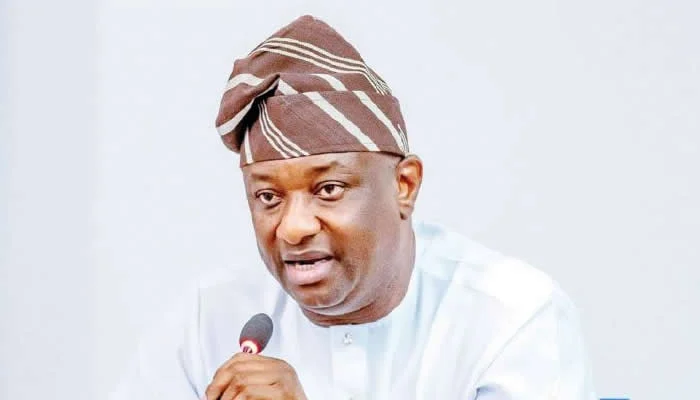
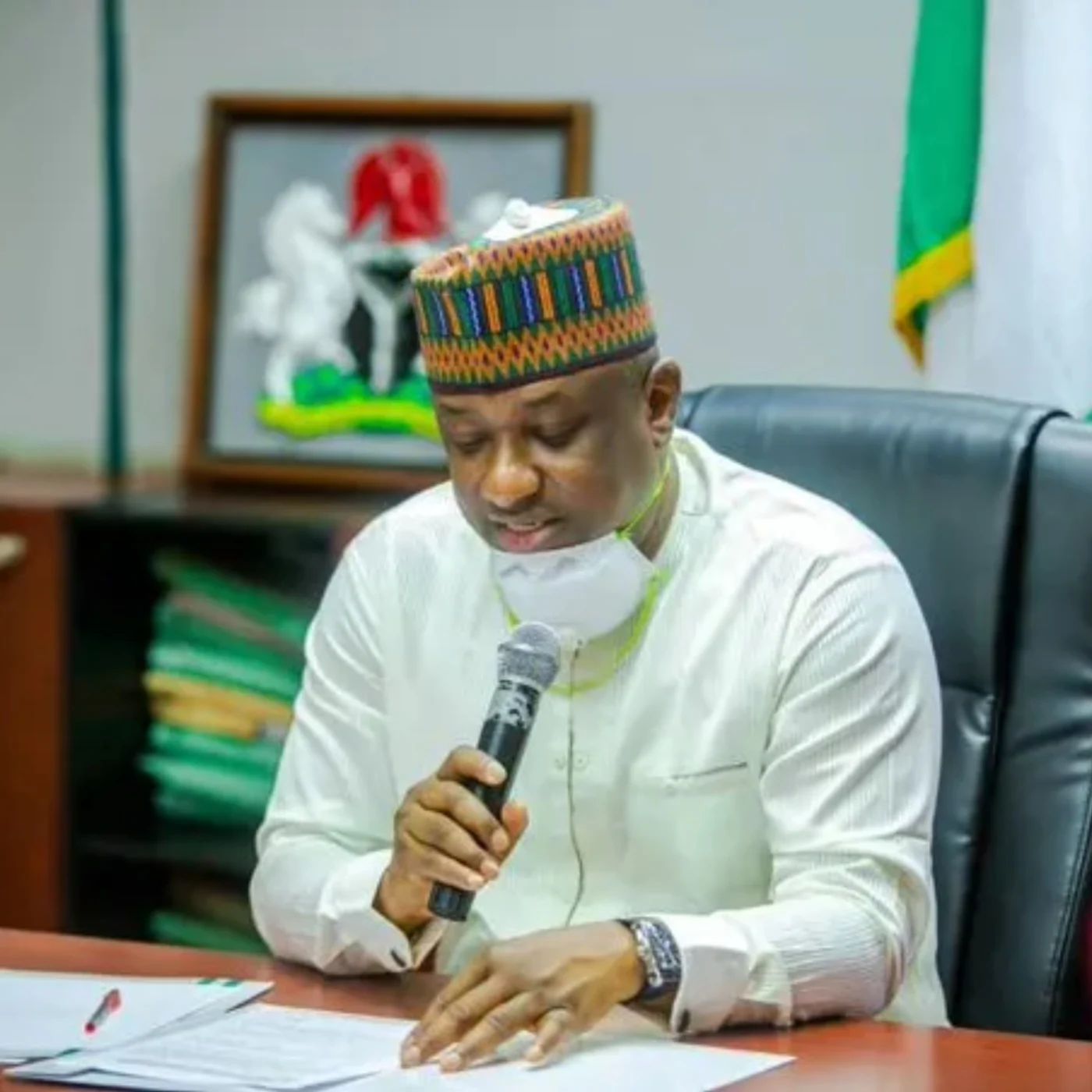
The Nigerian government has successfully raised $500 million for the reconstruction of the Lagos airport, a development attributed to the recent removal of the fuel subsidy, according to the Minister of Aviation and Aerospace Development, Festus Keyamo. Speaking at the 67th anniversary of Aero Contractors Airline in Lagos, Keyamo emphasized that this funding was not sourced through borrowing but was made possible due to improvements in the country's liquidity and foreign reserves.
Keyamo noted that the administration of President Bola Tinubu has focused on enhancing investment in critical aviation infrastructure over the past two years. He stated that Nigeria's foreign reserves have increased significantly, rising from $3 billion to $56 billion, which has made the country more attractive to foreign investors.
In his remarks, Keyamo addressed concerns regarding the economic impact of subsidy removal, particularly on household incomes and the cost of living. He argued that while critics often highlight the immediate hardships faced by citizens, the underlying economic stability fostered by increased foreign reserves is essential for attracting investment that can generate jobs and improve infrastructure.
Keyamo asserted, "People say, ‘What will foreign reserves do for the economy? People are hungry.’ You know, this is the cheap talk they engage in to play on cheap sentiment." He urged a reevaluation of the focus on attracting investors capable of bringing capital and employment opportunities into Nigeria.
The minister also highlighted the broader aviation agenda of the Tinubu administration, which includes not only the Lagos airport project but also the revival of the Abuja airport project. Keyamo announced that the China Civil Engineering Construction Corporation (CCECC) has been approved to return to work on the long-awaited second runway at the Nnamdi Azikiwe International Airport. This project, which has faced years of delays due to funding disputes, is now set to move forward.
Reflecting on the past challenges of the Abuja runway project, Keyamo recalled that the National Assembly had previously resisted funding it when the estimated cost was around ₦45 billion. He pointed out that the current estimated cost for the project has ballooned to nearly ₦500 billion due to inflation and delays, underscoring the importance of timely investment in infrastructure.
Keyamo concluded by reiterating the critical link between investment, infrastructure development, and job creation. He stated, "Jobs don’t fall from heaven; jobs come as a result of either the infrastructure you are building or investments. That is how jobs are created."
As the aviation sector looks to recover and grow, the government’s strategic focus on infrastructure investment appears to be a key component of its economic agenda, aimed at fostering a more robust and resilient economy.
Sources
- Punch Newspapers Original article