Dangote IPO: Can Nigeria Transform Shareholders into Millionaires?
The Dangote Refinery IPO has sparked debate over wealth creation in Nigeria amidst historical market failures.


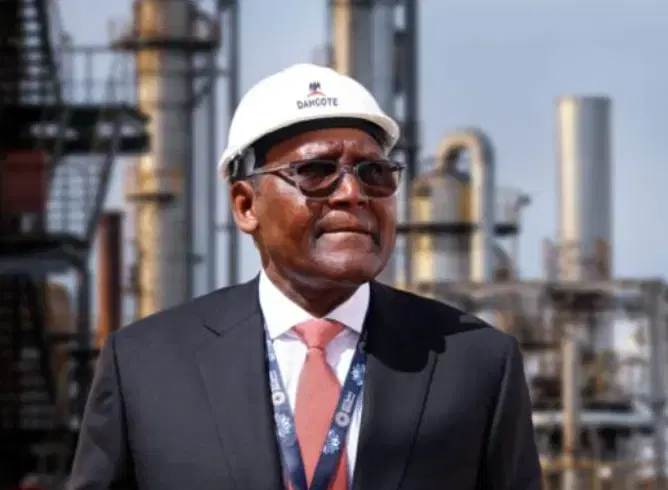
The recent launch of the Dangote Refinery Initial Public Offering (IPO) has ignited discussions about the potential for wealth creation among ordinary Nigerians. Aliko Dangote, the billionaire behind the refinery, has expressed his ambition for widespread ownership, aiming to attract at least 10 million shareholders. The IPO, which opened on September 14, 2026, is seeking to raise N2.15 trillion for 4.1 billion shares. However, the historical context of Nigeria's stock market raises questions about whether this venture can genuinely create new millionaires.
Nigeria's stock market has a troubled past, characterized by significant losses and unfulfilled promises. Between 2007 and 2009, approximately N800 billion was lost in private placements that never materialized into public listings, leaving many investors without recourse. The Securities and Exchange Commission has faced criticism for its lack of oversight during these turbulent times. Notably, the case of Afribank, which misused depositors' funds for its IPO, exemplifies the systemic issues that have plagued the market, leading to substantial losses for shareholders.
The Dangote Refinery, touted as the largest single-train facility in Africa with a capacity of 650,000 barrels per day, represents a significant asset. However, the operational success of this refinery stands in stark contrast to Nigeria's state-owned refineries, which have struggled to maintain functionality. With a combined capacity of 445,000 barrels per day, these refineries have operated at less than 30% capacity for years, raising concerns about the reliability of investments in the sector.
Despite the optimism surrounding the IPO, the Nigerian financial market remains fragile. Past economic downturns, such as the 2016 recession triggered by falling oil prices, have left lasting scars on investor confidence. The market's volatility, including a 61% decline in equity market capitalization within a year, has made many cautious about investing in new offerings. Investors are reminded of the dot-com bubble in the United States, where many lost substantial wealth due to overvalued stocks lacking solid business models.
Critics argue that the IPO may not be a panacea for Nigeria's economic woes. The structural challenges facing the Nigerian economy, including high poverty rates projected to reach 61% by 2025, suggest that mere ownership of shares will not translate into wealth for the majority. With 10% of the population controlling 90% of the nation's wealth, the disparity is stark. Many Nigerians struggle to survive on less than N3,100 per day, highlighting the need for sustainable economic growth rather than speculative investments.
The Dangote IPO, while backed by a tangible asset, does not address the deeper issues of economic production and job creation. Experts advocate for a focus on building industries that can employ Nigerians, rather than relying on financial instruments that may lead to further disenchantment among investors. The recent success of the Bank of Industry's N274 billion Development Bond, which was oversubscribed in just five days, indicates that there is a demand for long-term investments in productive sectors.
In conclusion, while the Dangote Refinery IPO presents an opportunity for investment, it must be viewed within the broader context of Nigeria's economic landscape. The country needs to prioritize the creation of a robust industrial base that can generate jobs and foster real wealth, rather than depending solely on the allure of share ownership. Without a focus on production and economic stability, the dream of turning ordinary Nigerians into millionaires may remain just that—a dream.
Sources
- Vanguard News Original article