Nigerians see price drops in key food items, but some staples rise
September brought price reductions for several staple foods in Nigeria, offering consumers some relief amid mixed trends.


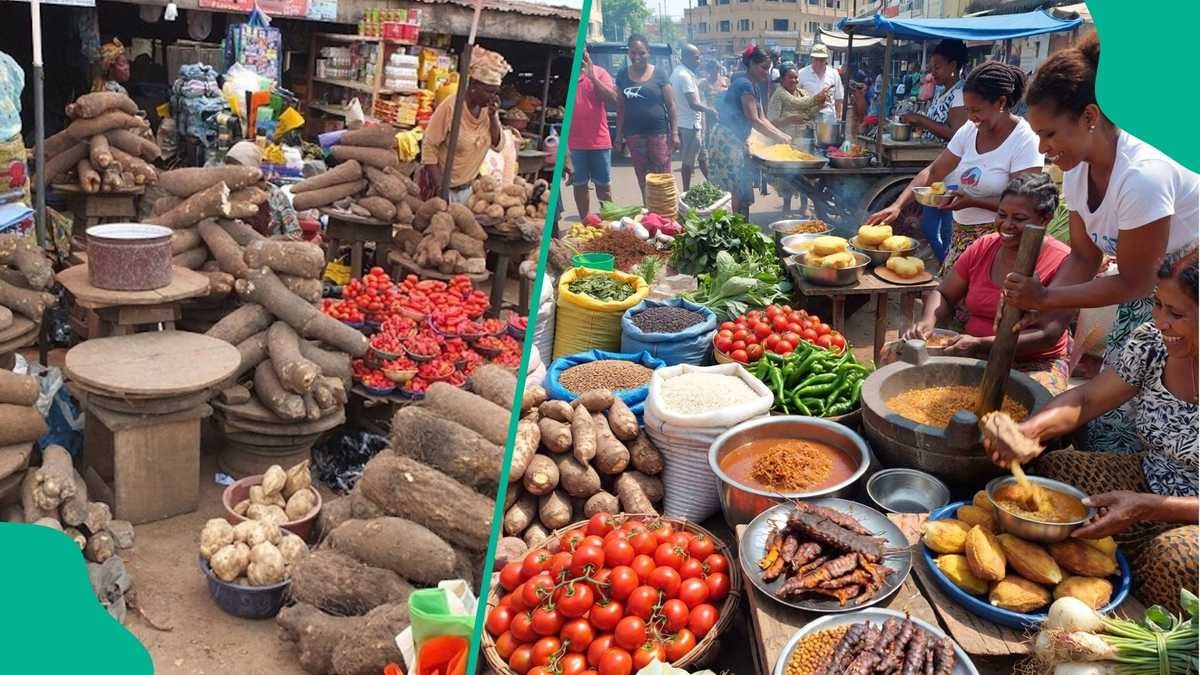
In a welcome development for consumers, prices of several popular food items have decreased across major Nigerian markets in September 2026. This trend, which comes as a relief to households grappling with rising living costs, was highlighted in a recent survey of 67 food items conducted in key markets including Mushin, Daleko, Mile 12, and Oyingbo in Lagos.
The survey revealed that 36 food items experienced price reductions in September, a notable increase from 27 items that saw declines in August. The price drops are attributed to improved harvest supplies and increased inflows of farm produce, coupled with a decrease in consumer demand as households adjust their spending habits.
Among the food items that became cheaper, sweet potatoes saw one of the most significant price corrections. The cost of a 100kg bag plummeted from approximately ₦70,000 in July to ₦18,000 in September. Similarly, plantain prices fell, with a small bunch now retailing for around ₦3,000, down from ₦3,500.
Other staples that recorded price declines include:
- White maize: The average price for a 50kg bag dropped from ₦50,000 in August to ₦40,000 in September.
- Yellow maize: Prices fell by 20%, with a 50kg bag now costing ₦40,000.
- Pepper: The average price of a big bag decreased by 20% to ₦80,000, while a medium bag fell to ₦40,000.
- Yellow garri: The price for a 50kg bag dropped from ₦21,000 to ₦18,000.
- Beans: Oloyin beans saw a decrease from ₦82,000 to ₦75,000 for a 50kg bag.
- Rice: The price of Royal Stallion short-grain rice fell by 7.55% to ₦49,000.
Despite these reductions, not all food items are experiencing price relief. Certain staples have seen price increases, with egusi recording a 29.73% rise in September. Additionally, the price of tomatoes has fluctuated significantly; a large basket rose from ₦70,000 to ₦80,000, while vegetable oil prices also increased during the same period.
The mixed trends in food pricing reflect the unpredictable nature of the market. While many consumers are benefiting from lower prices on essential items, the rise in costs for others underscores the challenges that still lie ahead. Traders attribute the price drops to increased harvests and a cautious consumer base, suggesting that while some relief is evident, the overall food market remains volatile.
As Nigerian households navigate these changes, the fluctuating prices of food items highlight the ongoing complexities in the agricultural supply chain and consumer behavior in the country.
Sources
- Legit Original article