Osun governorship election sees 17 violent incidents, KDI reports 44 victims
Kimpact Development Initiative highlights election-related violence during Osun's recent polls.


The recent governorship election in Osun State was marred by 17 violent incidents across ten local government areas, according to the Kimpact Development Initiative (KDI). The election, held on August 15, 2026, resulted in over 44 reported victims of various forms of violence, including gunfire, physical assaults, and intimidation.
KDI's findings were shared during a post-election analysis conference in Abuja, where Executive Director Bukola Idowu emphasized that the violence disrupted voting in specific areas, notably leading to the cancellation of elections at Iroyin Ayo Open Space in Ejigbo Local Government Area. The organization documented these incidents through its Election Day Data Room, which coordinated reports from accredited observers throughout the state.
The breakdown of the violent incidents revealed that gunshots, physical assaults, and intimidation each accounted for five incidents, making up 29.4 percent of the total. Harassment was noted in two cases, representing 11.8 percent. The highest concentrations of violence were reported in Ejigbo and Osogbo, each contributing 17.6 percent of the incidents, while Ife East, Ilesa East, and Irewole each accounted for 11.8 percent.
Despite these troubling reports, KDI noted that the violence was relatively localized and did not lead to widespread disruption across the state. The organization pointed out that pre-election tensions did not escalate into broader violence on election day. However, KDI raised concerns about the ongoing security situation, citing 81 election-related incidents and 15 fatalities recorded between October 2025 and August 2026.
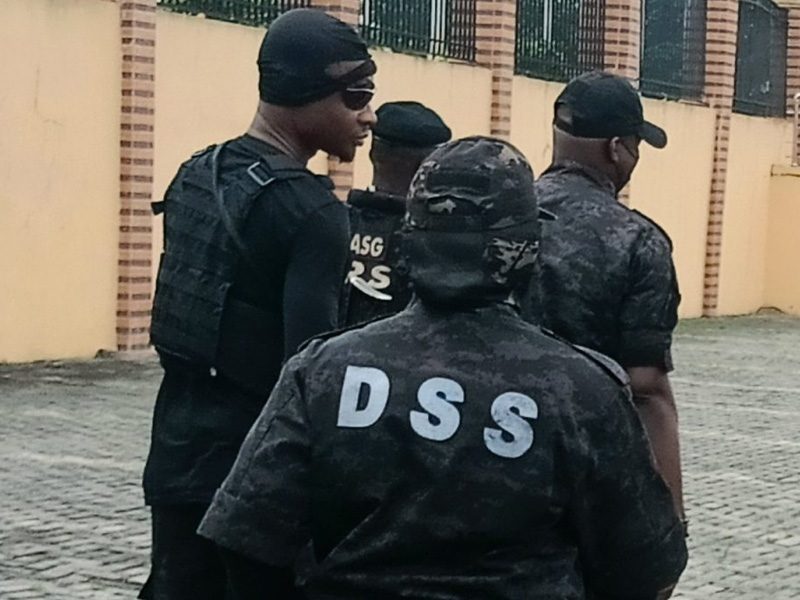
Post-election violence and property destruction were also reported in areas including Ilesa, Iperindo, and Modakeke, indicating that security risks extend beyond the day of voting. KDI urged security and law enforcement agencies to thoroughly investigate these incidents and ensure that those responsible are held accountable. The organization also called for the prompt prosecution of the 295 individuals arrested for various election-related offenses during the polls.
In addition to violence, KDI highlighted issues with the Bimodal Voter Accreditation System (BVAS), noting that it successfully processed voter accreditation in 84.9 percent of cases, a slight improvement from previous elections but still below the 96 percent functionality recorded in the 2025 Anambra governorship election. Observers reported widespread difficulties with fingerprint recognition, leading to increased reliance on facial recognition methods.
KDI also identified discrepancies in polling unit results uploaded to the Independent National Electoral Commission (INEC) Result Viewing Portal. Their preliminary analysis revealed arithmetic inconsistencies in 260 polling units and instances where accredited voters exceeded total votes cast in 82 polling units. These findings underscore the need for further scrutiny of the electoral process and the effectiveness of the e-EC8A system introduced by INEC.
Moreover, KDI reported ongoing threats to electoral integrity, such as vote trading and voter inducement across all 30 local government areas. Allegations indicated that party supporters and agents were heavily involved in these practices, with inducements ranging from food and drinks to cash payments between N5,000 and N50,000.
Despite these challenges, KDI commended the resilience of Osun voters and the professionalism of security agencies during the election. They noted that the election demonstrated the capacity of Nigeria's electoral institutions and citizens to conduct a competitive election without widespread chaos. KDI reiterated the importance of addressing the vulnerabilities identified in this election to strengthen Nigeria's electoral system ahead of the 2027 general elections.
Sources
- Punch Newspapers Original article