Nigerian filling stations cut petrol prices by up to N90 following refinery adjustments
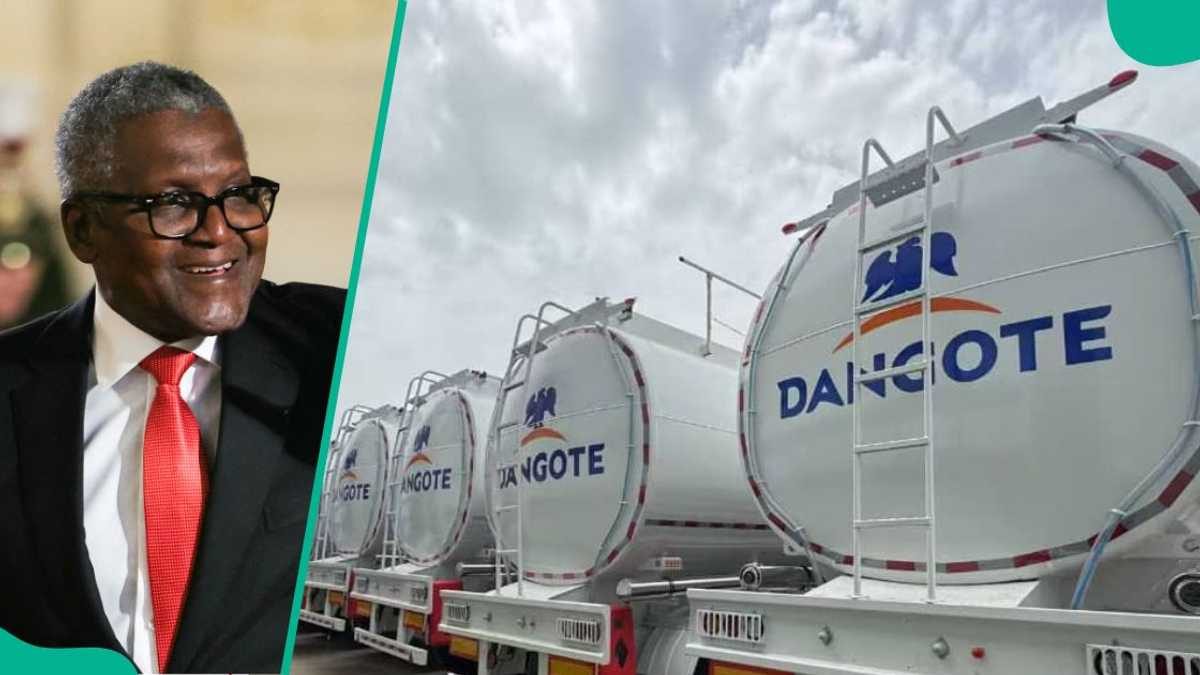
Filling stations across Nigeria have lowered petrol prices significantly after Dangote Refinery's price cut.


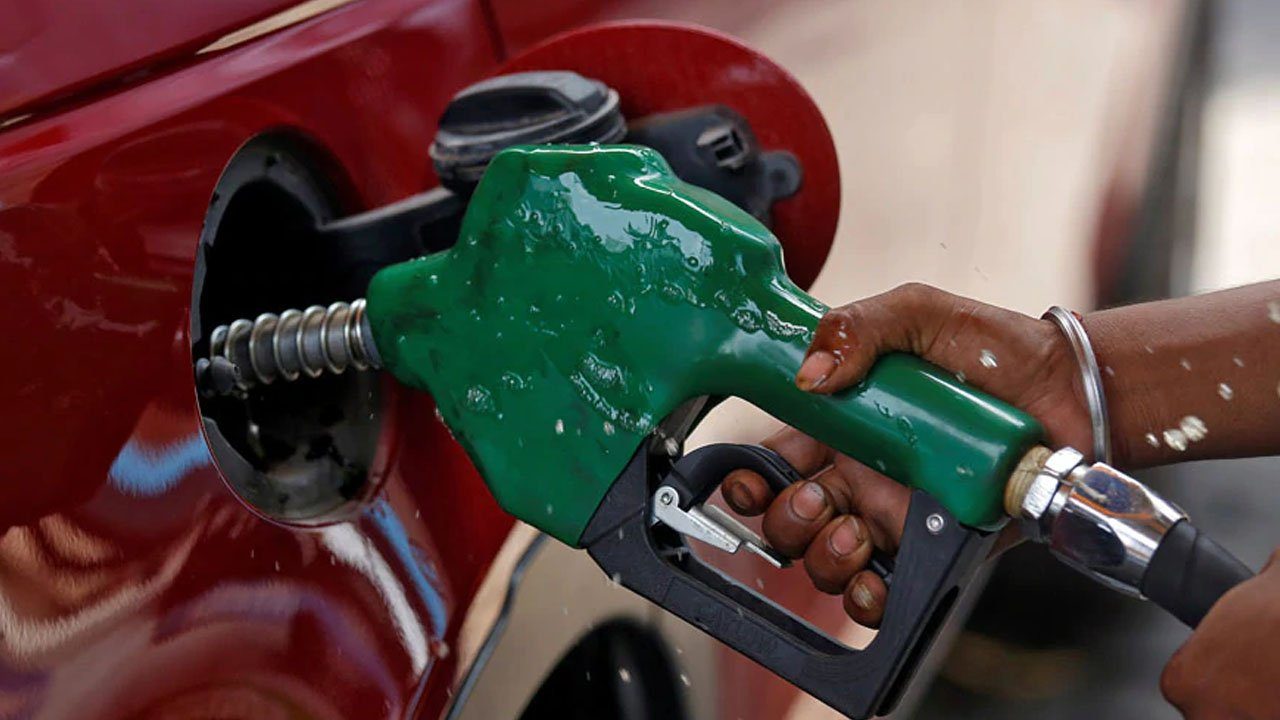
In a notable shift within Nigeria's fuel market, filling stations have reduced the price of Premium Motor Spirit (PMS) by as much as N90 per litre. This adjustment comes approximately three weeks after Dangote Refinery announced a N45 reduction in its gantry fuel price, prompting a ripple effect across the sector.
Recent checks revealed that major filling stations, including MRS, the Nigerian National Petroleum Company Limited (NNPCL), AA Rano, Nigerian Independent Petroleum Company (NIPCO), and Emedab, have adjusted their petrol prices in Abuja and surrounding areas. Current prices range from N1,210 to N1,275 per litre, down from N1,305 to N1,335 per litre as of July 31, 2026.
The reduction in petrol prices marks a significant change, with the average decrease being at least N35 per litre in the first 20 days of August. This trend reflects the dynamic nature of Nigeria's downstream oil sector, where prices are influenced by various factors, including refinery pricing and global oil market conditions.
The price adjustments follow the Dangote Refinery's decision to lower its petrol price to N1,165 per litre, making it N53.54 cheaper than imported fuel, which has a landing cost of N1,218.54 per litre. This price disparity highlights the competitive advantage of locally refined fuel in the Nigerian market.
Despite the reduction in domestic petrol prices, the global oil market remains robust, with Brent crude priced at $91.90 per barrel and West Texas Intermediate at $84.60 per barrel. The interplay between local price adjustments and international crude prices continues to shape the economic landscape of Nigeria's fuel sector.
As consumers benefit from these price cuts, the Nigerian government and stakeholders in the oil industry are closely monitoring the situation, hoping for further stability and improvement in the downstream sector. The recent developments signal a positive trend for motorists and the broader economy, as lower fuel prices can lead to reduced transportation costs and increased disposable income for citizens.
Sources
- DailyPost Original article