Akasoba Duke-Abiola's UN Secretary-General Bid Gains Momentum Across Continents
Support for Akasoba Duke-Abiola's UN Secretary-General campaign is reportedly rising in various regions.


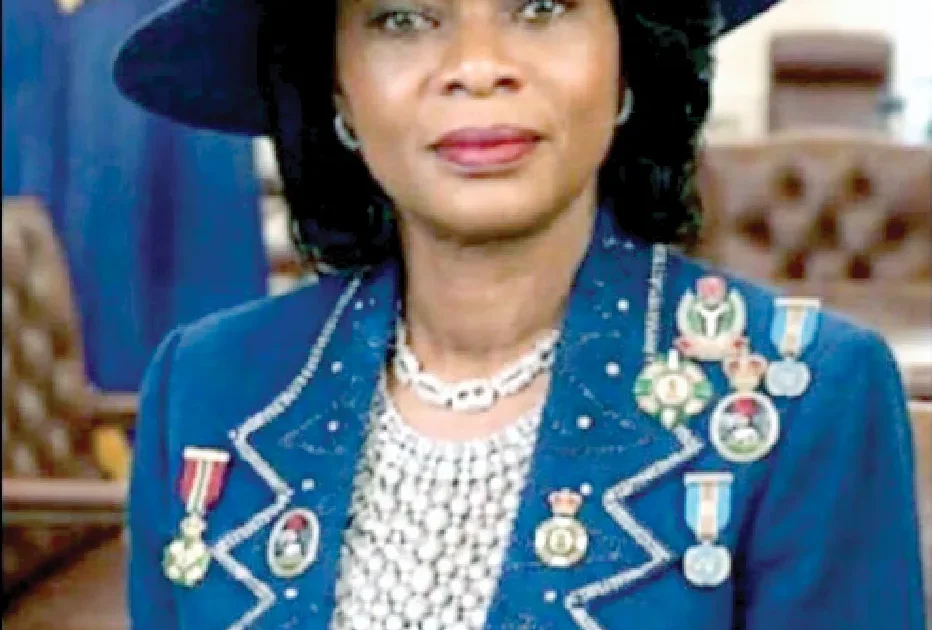
The campaign for Akasoba Duke-Abiola’s candidacy for the position of United Nations Secretary-General is experiencing a notable surge in support from diverse regions, including Africa, the Caribbean, and Latin America. This development comes as the race to succeed António Guterres intensifies, with the formal nomination process already underway.
Dr. Jenny Clarence, who serves as the Chief of Global Outreach for the Akasoba Duke-Abiola United Nations Secretary-General Campaign, announced this growing backing in a statement released on Thursday. She highlighted the involvement of networks linked to the African Policy and Research Consortium (APRC), which is playing a crucial role in rallying support for Duke-Abiola's bid. The APRC is recognized as a pan-African policy and research network that has established connections across more than 20 African nations, along with institutional ties that extend beyond the continent.
Countries such as South Africa, Rwanda, Egypt, Barbados, Chile, and Kenya have been identified as key players in the expanding support network for Duke-Abiola’s campaign. The campaign describes these relationships as strategic alliances that encompass African, diplomatic, Caribbean, and Latin American support.
Despite this growing momentum, it is important to note that Duke-Abiola is not currently listed among the eight officially nominated candidates for the UN Secretary-General position. The United Nations requires nominations to be submitted by member states, and only those formally nominated are included in the UN's official candidate list. As it stands, the current candidates include notable figures such as former Chilean President Michelle Bachelet and former Ecuadorian Foreign Minister María Fernanda Espinosa.
The campaign asserts that the recent developments in the nomination process, including the recent nomination of Ecuadorian diplomat Ivonne Baki by Tonga, demonstrate that the nationality of candidates and the nominating states can differ. This argument is underscored by the fact that Duke-Abiola’s campaign is actively seeking to broaden its appeal beyond African nations, emphasizing a vision that encompasses peace, sustainable development, and enhanced cooperation between the Global North and Global South.
Duke-Abiola, who is a lawyer and human rights advocate, is also the widow of the late Chief MKO Abiola, who was recognized as the winner of Nigeria’s 1993 presidential election. Her campaign emphasizes a multidisciplinary profile that spans law, human rights, cybersecurity, migration, and international affairs. The campaign aims to position her as a candidate who can represent the interests of diverse global constituencies.
As the UN selection process progresses, the campaign is optimistic that the reported support from various organizations and networks will strengthen its case for increased African representation and women's leadership at the highest levels of the UN. With the deadline for nominations having passed in April, the window remains open for additional candidates, and the UN has commenced interactive dialogues and consultations with the candidates as part of the selection exercise. The contest to replace Guterres, whose second term concludes on December 31, 2026, is already historic, with five of the eight formally nominated candidates being women—an unprecedented occurrence in the UN's 80-year history.
Sources
- Punch Newspapers Original article