
…to withstand external shocks, projecting a current account surplus of 6.4 per cent of GDP in 2026. He said that Fitch also forecast Nigeria’s real GDP growth at 4.3 per cent in 2026, up from four per cent in 2025. It projected economic growth to remain above four per cent in 2027 and 2028, driven largely by non-oil act…

…earnings. It projected Nigeria’s current account surplus to widen from 4.8 per cent of GDP in 2025 to 6.0 per cent in 2026, before narrowing to 3.4 per cent by 2028 as oil prices normalise and import demand strengthens. However, the World Bank warned that the economic outlook remained exposed to significant downside ri…
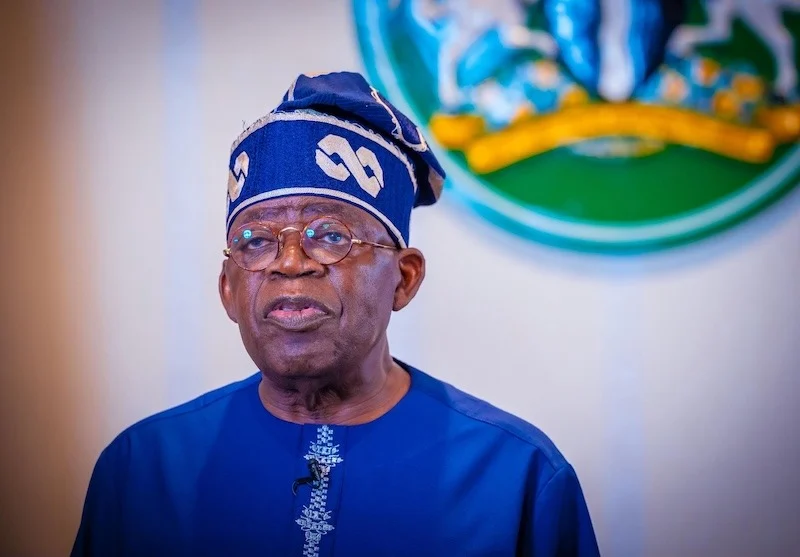
…Reacting, Uba said Nigeria’s economic indicators, including real Gross Domestic Product (GDP) growth of 4.43 per cent, a decline in inflation to 15.39 per cent in August and improved access to credit, showed that Tinubu’s policies were on the path to reshaping the country. According to him, Nigerians should not be dist…

…the volume and value of exports and contribute to the country’s Gross Domestic Product, GDP. She stated: “Industrialization will stimulate other economic sectors, and it will stimulate the export sector, and by the time export increases, we increase our GDP. We will increase the volume and value of export, which in tur…
…he said. Citing the World Bank, Akume said Nigeria’s real Gross Domestic Product (GDP) grew by 4.2 per cent in the first half of 2026, up from 3.9 per cent a year earlier. “The task before us now is to ensure that growth translates into jobs and higher incomes for all Nigerians,” he said. The SGF said the shift to gas…
…that the implicit subsidy created by this exchange rate setup cost us about 3% of our GDP in 2022. “The pressure extended to our external reserves. The gross figure did not tell the whole story. After accounting for identified short-term obligations, the Bank’s data put net usable reserves at US$859 million in the seco…
…of the speech deserves serious attention. Nigeria is Africa’s largest economy by nominal GDP in many international comparisons and one of the continent’s most important markets, yet access to affordable international capital remains crucial to infrastructure, energy, transport and industrial development. The cost of bo…
…more important than being used for jokes. Today, Nigeria is collecting over 33 per cent GDP from Lagos. “So, the state cannot be taken for granted. We cannot just allow any inexperienced person to rule the state,” he said. The Deputy Governor said his experience in government had prepared him to lead the state. “I was…
…also has multiplier effects across other sectors and significant impact on our national GDP. Moreover, by giving Nigerians a direct stake in the refinery, it insures against any punitive or rogue governments—and we always have one around the corner in this country—which might seek to derail the entire project for their…
…state and local government levels. The lender said Nigeria spent only 0.14 per cent of GDP on social safety-net programmes in 2021, compared with a global average of 1.5 per cent and 1.2 per cent among lower-middle-income countries. The bank also painted a grim picture of household welfare, estimating that the proporti…

…reached approximately $52.7 billion by August 2026, while real Gross Domestic Product (GDP) grew by 4.43 percent in the second quarter of 2026 as inflation moderated toward 15.4 percent. Linking these outcomes to the administration's $1 trillion economy target by 2030, the President emphasized major infrastructure proj…

…has explained the major challenge with Nigeria’s 4.43 percent Gross Domestic Product (GDP) growth in the second quarter of 2026. Oyedokun, who spoke in an interview with DAILY POST, said the growth was evidence that the Nigerian economy was gaining momentum, particularly as the services and agricultural sectors led the…
…₦7.54 trillion in the first quarter of 2026 alone, with real Gross Domestic Product GDP growing by 4.43 percent in the second quarter of 2026 and inflation easing to about 15.4 percent. Yilwatda linked the improved figures to the administration’s $1 trillion economy target by 2030, tying it to plans for an integrated f…
…the impact of Nigeria’s economic growth after the country’s Gross Domestic Product, GDP, grew by 4.43 percent in real terms in the second quarter of 2026, according to the National Bureau of Statistics, NBS. The NBS, in its GDP report released on Monday, said Africa’s most populous economy grew from the 3.89 percent re…
…2026, Q2’26 from 4.2 percent in Q2’25. NBS disclosed this in its Gross Domestic Product, GDP, report for Q2’26 noting that both the oil and non-oil sectors grew in the review period, rising by 7.3 percent YoY and 4.3 percent YoY, respectively. NBS said: “GDP grew by 4.43 percent YoY in real terms in the Q2’26, higher t…
…vulnerability,” the agency said. On economic growth, Moody’s said Nigeria’s real GDP growth reached four per cent in 2025, compared with its previous assessment that medium-term growth would remain closer to three per cent. It expects growth to remain around four per cent over the next few years, supported by continued…
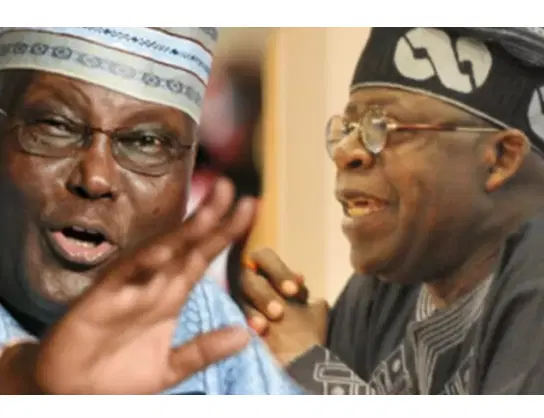
…behind the scenes. “When he was Chairman of the Economic Council— that was when our GDP made a record growth, and no government has been able to meet the economic growth that Atiku supervised. “Today, the GSM that people are using to abuse this same Atiku- he revolutionized it. And every time Atiku is running for presi…
…obstacle to private-sector expansion. Private-sector credit stood at 21.3 per cent of GDP, below the 33 per cent Sub-Saharan African average and the 47 per cent average for lower-middle-income economies. PwC identified a financing gap between ₦500,000 and ₦30 million, noting that most microfinance institutions lend up…
…to 4.5 percent in the second half of 2026, bringing full-year gross domestic product (GDP) growth to approximately 4.2 percent’’. NESG said the oil sector is expected to sustain its growth, supported by improved domestic crude oil production, reflecting better security conditions and the gradual implementation of upstr…
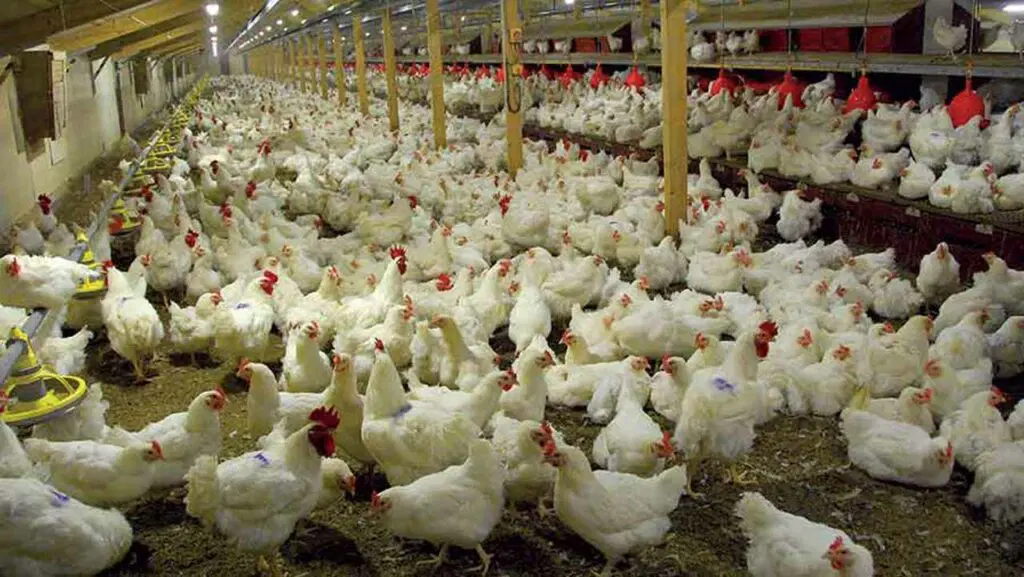
…Alabi said agriculture contributed 23.1 per cent to Nigeria’s Gross Domestic Product (GDP) in the first quarter of the year, while Nigeria’s estimated poultry population of 300 million birds remains insufficient to meet future demand. He urged poultry farmers to adopt precision management by accurately measuring feed,…
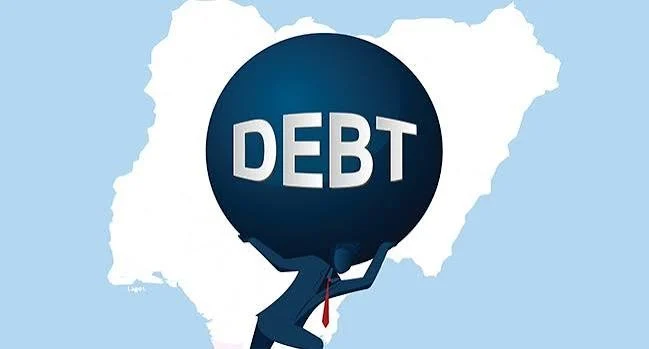
…in terms of borrowing levels. Nigeria is still relatively okay when you look at debt-to-GDP and debt-to-revenue indicators,” he said. He, however, stressed that the real concern is the use of borrowed funds, noting, “The challenge is what we use the money for. If Nigeria borrows and you see the impact on infrastructure…
…country’s debt relative to the size of its economy. According to the report, the debt-to-GDP ratio declined from 38 per cent in 2023 to 35.5 per cent in 2025 and 32.3 per cent in 2026. The revenue service described the decline as the first sustained reduction in the ratio in more than a decade. It also said debt servic…
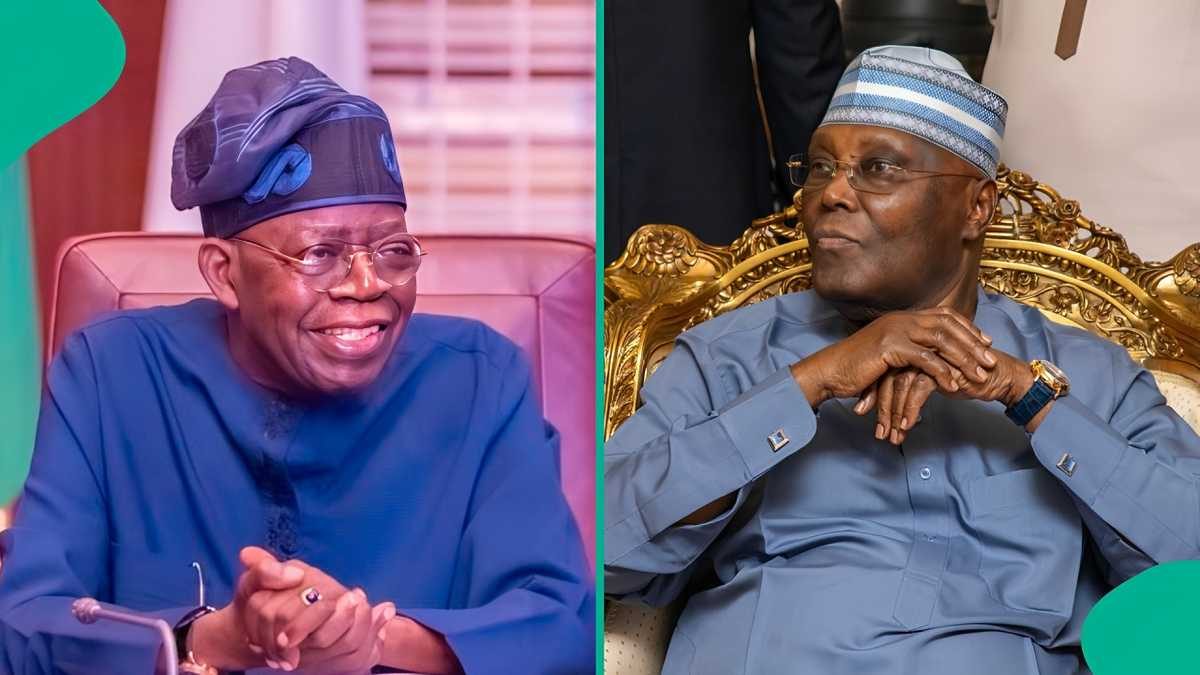
…he said.Atiku criticised government officials for celebrating headline figures such as GDP growth and foreign reserves while household conditions worsen, saying ordinary Nigerians have become "unwilling economists" rationing every cup of rice and litre of fuel.He also warned that the collapse in household purchasing po…
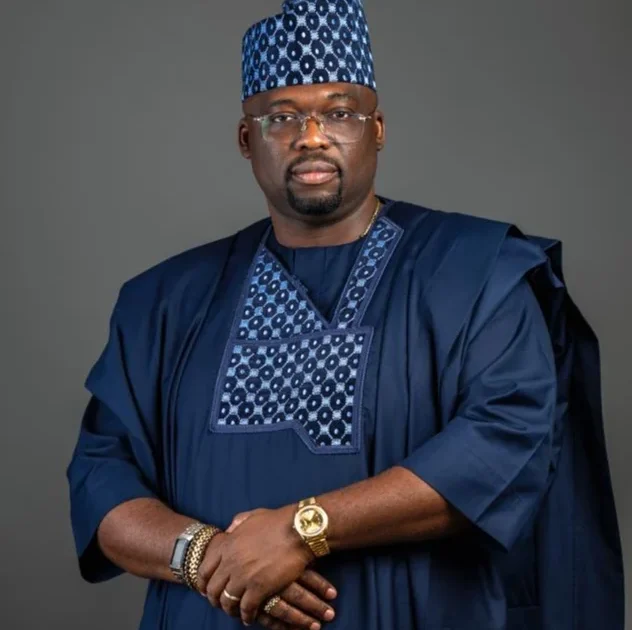
…businesses are expanding. If the government maintains policy consistency, I see steady GDP growth and sustained economic expansion,” Onafowokan said.
…here to track how well the nation has done. Globally, 5G is projected to impact GDP with $1.3trn across sectors like smart cities and utilities. Always, we ask the little question: what is the share of Nigeria in this respect? The ITU notes that 5G technologies support applications such as smart homes and buildings, sm…