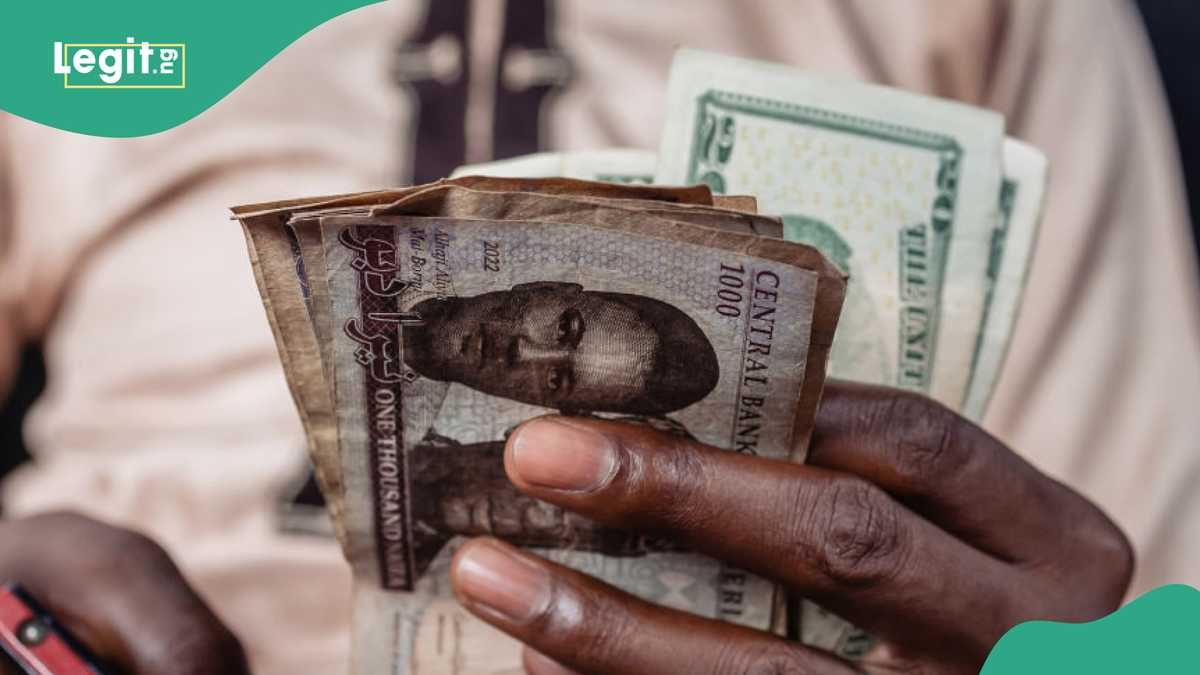
Economist highlights challenges of Nigeria's 4.43% GDP growth amidst economic reforms
Professor Godwin Oyedokun emphasizes the disconnect between GDP growth and living standards.



Nigeria's recent 4.43% GDP growth in the second quarter of 2026, while indicative of an economy gaining momentum, faces significant challenges in translating this growth into improved living standards for its citizens. Professor Godwin Oyedokun, an economist and Professor of Accounting at Lead City University, shared his insights in an interview with DailyPost.
According to Oyedokun, the growth, primarily driven by the services and agricultural sectors, has not yet resulted in tangible benefits for the average Nigerian. He pointed out that the primary concern for citizens revolves around their real incomes, purchasing power, and overall ability to meet basic needs, rather than the headline GDP figure itself.
"GDP growth should not be confused with improved living standards," Oyedokun stated. He elaborated that while the economy may be expanding, many households continue to face financial struggles if the growth is not linked to productivity and job creation. The professor emphasized that growth in agriculture does not necessarily lead to lower food prices, nor does an expanding services sector guarantee well-paying job opportunities.
Oyedokun urged the Nigerian government to focus on ensuring that its economic reforms translate into higher productivity, stronger manufacturing, and quality employment. He highlighted the need for rising real wages and reduced production and living costs as essential components of sustainable economic growth.
He remarked, "In simple terms, 4.43 percent GDP growth is good news, but it is not yet prosperity." The professor stressed that the real test of President Bola Tinubu's economic reforms will be whether this growth can lead to increased disposable income for Nigerians and a measurable improvement in their quality of life.
"GDP growth is the engine; productivity, jobs, income, and purchasing power are the transmission system. Nigeria has started the engine, but the transmission to households remains weak," he added, underscoring the disconnect between economic indicators and the real-world experiences of citizens.
As the government continues to implement reforms, the focus must shift towards creating an economy that not only grows but also enhances the welfare of its people, ensuring that the benefits of growth are felt across all strata of society.
Sources
- DailyPost Original article