Oyo State intensifies efforts to secure HIV/AIDS funding and integration strategies
The Oyo State Government emphasizes the need for local financing and partnerships to sustain HIV/AIDS interventions amid changing global funding landscapes.


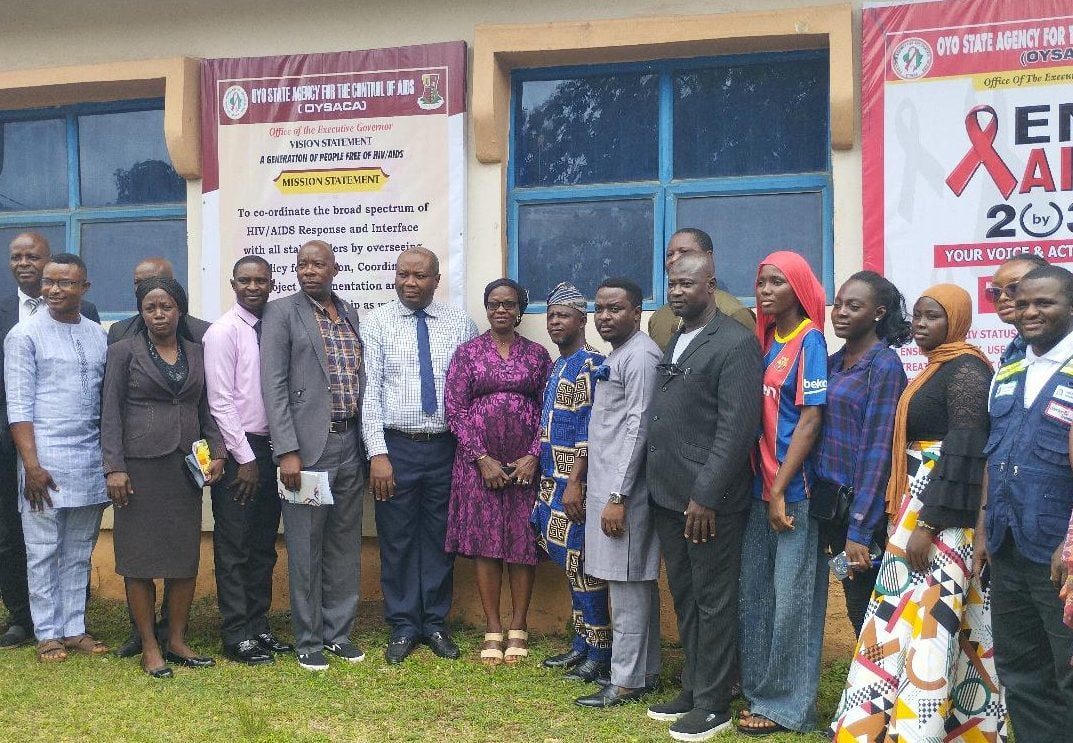
The Oyo State Government is ramping up its efforts to safeguard the progress made in combating HIV/AIDS, as officials highlight the urgent need for increased domestic financing and stronger partnerships. This call to action was made during the third-quarter meeting of the Oyo State HIV Resources Mobilisation Technical Working Group and Sustainability Plan Committee held in Ibadan.
Aare (Dr) Gbola Adetunji, Chairman of the Oyo State Agency for the Control of AIDS (OYSACA), underscored the challenges posed by the shifting landscape of global health financing and the transition away from donor dependency. He stressed that Oyo State must develop sustainable funding alternatives to ensure the continuity of HIV prevention, testing, treatment, care, and support services.
According to Adetunji, reliance on external support is no longer viable for sustaining critical HIV interventions. He urged various stakeholders—including government institutions, local government areas, development partners, civil society organizations, and the private sector—to take ownership of the HIV response within the state. He stated, "Resource mobilisation goes beyond funding or material resources. It includes strategies that will ensure that the HIV response continues to thrive towards ending HIV/AIDS in Oyo State and Nigeria at large."
Adetunji called for enhanced participation from the state’s 33 Local Government Areas in HIV planning and budgeting. He emphasized the importance of integrating HIV priorities into local development plans and budgets to create a comprehensive approach to managing the epidemic.
During the meeting, Mr. Babatunde Makinde, the Partner Focal Person and representative of the Oyo State Commissioner for Health, Dr. Oluwaserimi Ajetunmobi, outlined a coordinated strategy based on the Health Sector Strategic Blueprint. This approach aims for unified planning and reporting among partners working in similar thematic areas, thereby reducing duplication of efforts and improving accountability.
Dr. Dickson Adetoye, State Team Approach Lead for APIN Public Health Initiatives, reported that out of 52 facilities supported by APIN, 10 have achieved full integration of HIV services, while 21 have reached partial integration. He highlighted the need for stronger facility leadership and the involvement of government health workers to treat people living with HIV as clients of the entire health facility rather than as beneficiaries of a separate program.
The goal is to achieve at least 80 percent integration across all supported facilities by the end of September, although this target has yet to be met. Mr. Faith Olawale, Chairman of the Network of People Living with HIV in Oyo State, expressed concerns regarding the integration process, particularly in secondary facilities where multiple services operate independently. He advocated for a gradual, inclusive approach that allows clients to access various services conveniently while addressing self-stigma among individuals living with HIV.
Additionally, Mr. Muideen Isa, a representative of the Damien Foundation, called for stronger advocacy at the government level to accelerate the integration process and sustain the HIV response. He emphasized the need for a clear roadmap, timeline, and milestones to guide the integration efforts, highlighting that while grassroots advocacy is crucial, high-level government engagement is essential for securing policy commitments and aligning all stakeholders towards a common goal.
Sources
- tribuneonlineng Original article