Mahama's UN Address: A Call for Africa's Empowerment and Accountability
In a powerful address at the UN, Ghana's President Mahama urged Africa to demand equality and accountability.


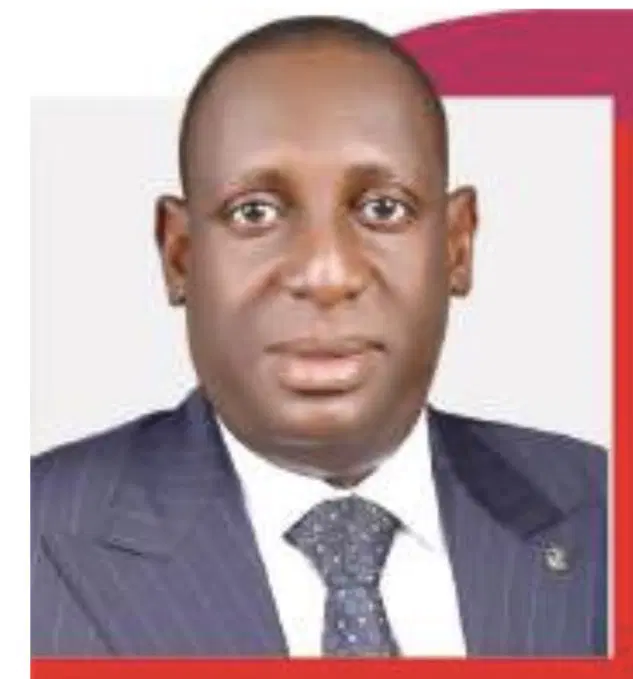
Ghana's President John Dramani Mahama delivered a compelling address at the 81st United Nations General Assembly on September 24, 2026, urging African nations to assert their rights and reshape their relationship with the global community. His speech, framed within the theme of restoring trust and managing transformation, highlighted Africa's grievances and aspirations, calling for a shift from dependency to partnership.
Mahama's remarks resonated deeply with the current challenges facing Africa, as he emphasized the need for the continent to stop being a passive recipient of international decisions. He condemned the suffering of civilians in Gaza and Palestine, denouncing both the violence against them and the actions of Hamas. His stance underscored the principle that moral standards should apply universally, a sentiment that extends to Africa's demand for justice and equality on the global stage.
The President also addressed the ongoing humanitarian crisis in Sudan, calling for urgent international attention and solidarity with nations battling terrorism in the Sahel region. However, it was his discussion on slavery and reparatory justice that stood out, as he argued for the need to acknowledge historical injustices and take meaningful steps towards reparations. Mahama stated, "True healing requires truth. And truth requires acknowledgement. And acknowledgement must lead to meaningful repair."
This call for reparative justice aligns with Ghana's recent efforts to promote discussions on the historical crimes of slavery, particularly following the UN General Assembly's adoption of Resolution 80/250, which recognizes the trafficking of enslaved Africans as a grave crime against humanity.
On economic matters, Mahama urged African nations to harness their mineral wealth effectively. He pointed out that Africa possesses vast deposits of critical minerals essential for modern technologies but often exports these resources in raw form while importing finished products. He declared, "We will process our minerals at home," emphasizing that true economic development must include local processing and manufacturing.
Mahama also tackled the issue of climate finance, insisting that developed nations fulfill their commitments to provide predictable, non-debt-creating grants to vulnerable economies. He highlighted the risks of burdening African countries with loans to recover from climate disasters they contributed minimally to, calling for a re-evaluation of how climate assistance is structured.
Moreover, he challenged the existing international financial architecture, criticizing the discriminatory credit ratings and debt burdens that hinder African economies. His call for permanent African representation on the UN Security Council reflects a growing demand for equitable global governance, as Africa, with its 54 member states, remains excluded from significant decision-making structures.
In a poignant reminder to African leaders, Mahama urged them to address internal issues such as corruption and accountability. He remarked, "As African leaders, we must also do what is required to put our own houses in order," stressing that Africa cannot demand accountability abroad while allowing corruption to persist at home.
For Nigeria, Mahama's address serves as a strategic opportunity to rethink its engagement with the international community. The country, rich in resources and potential, must leverage its position to advocate for reforms that benefit the continent as a whole. This includes pushing for climate finance structured as grants, enhancing local processing of minerals, and actively participating in the reparations debate.
Ultimately, Mahama's speech is a clarion call for Africa to redefine its narrative and assert its place in the global order. The challenge now lies in translating these powerful words into actionable strategies that promote development, accountability, and equality across the continent.
Sources
- Vanguard News Original article