Aliko Dangote: A Model for Capitalism and Wealth Creation in Nigeria
Dangote's journey from trader to industrial titan highlights the potential of true capitalism in Nigeria.


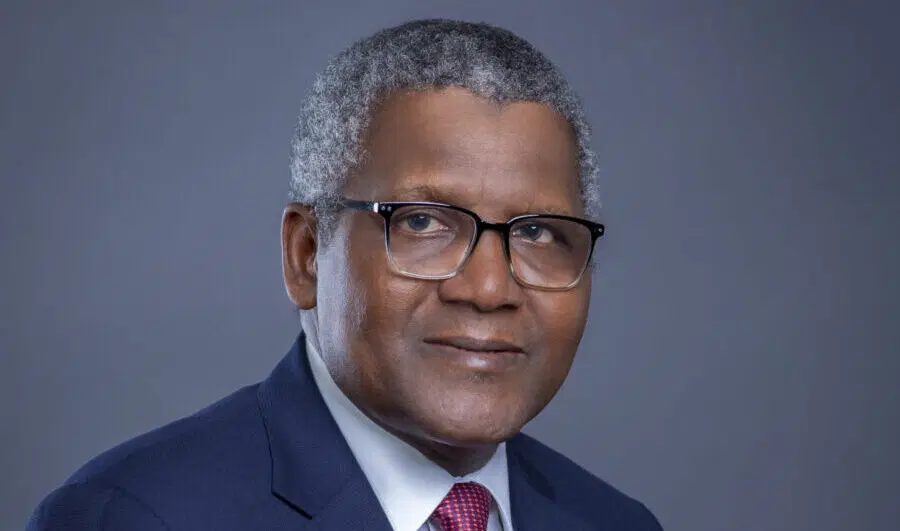
Aliko Dangote, Nigeria's richest man, has been identified as a prime example of true capitalism, showcasing how wealth can be accumulated through production rather than mere accumulation. His journey from a trader to the owner of the largest refinery in the world illustrates the potential for wealth creation that goes beyond the superficial understanding of capitalism prevalent in Nigeria.
Nigeria's relationship with capitalism is often fraught with misunderstanding. Many view it negatively, influenced by a legacy of Marxism and a cultural ethos that sometimes equates wealth with moral failing. This perspective has led to a society where the accumulation of money is often prioritized over the creation of value through production. As a result, Nigeria has yet to develop a robust capitalist framework capable of sustaining its large population.
Despite the presence of numerous wealthy individuals, Nigeria's economy remains underdeveloped, with a lack of large-scale industrialization and institutional mechanisms to support wealth preservation. The country has not successfully transitioned from primitive capitalism, which is characterized by informal trading and rent-seeking behaviors, to a more sophisticated model that emphasizes production and value creation.
Dangote's business trajectory began in 1977, evolving through distinct phases. Initially, he operated as a middleman, facilitating trade between producers and consumers. However, in the early 2000s, he embraced a model of wealth accumulation through production, significantly benefiting from the government's privatization initiatives. Today, with ventures such as the Dangote Refinery, he is not only producing essential goods but also building substantial businesses from the ground up.
His wealth has skyrocketed from $3.3 billion in 2008 to an impressive $35.5 billion today, according to Bloomberg. This remarkable growth underscores his ability to create value through the production of vital commodities like sugar, cement, and refined petroleum. Unlike many politicians and business figures who have acquired state-owned enterprises without adding value, Dangote's approach exemplifies true capitalism.
The Dangote Refinery stands out as a monumental achievement, not just for its scale but for its potential impact on Nigeria's economy. It promises to enhance the energy sector and stimulate growth across various industries, contributing significantly to the national GDP. Furthermore, by allowing Nigerians to have a stake in the refinery, Dangote has established a safeguard against potential political interference, ensuring the project's longevity.
The story of the refinery's construction, overcoming numerous challenges to become operational, serves as a valuable case study for aspiring entrepreneurs. Documenting Dangote's experiences and strategies could provide essential insights for future business leaders in Nigeria.
Dangote's disciplined approach to wealth and investment sets him apart in a landscape where many affluent individuals indulge in lavish lifestyles. His focus on creating lasting value rather than conspicuous consumption is a hallmark of true capitalism, emphasizing the importance of wealth preservation and societal upliftment.
For Nigeria to realize its potential, it must cultivate a genuine capitalist class that prioritizes production and innovation. This involves shifting from informal economic practices to a structured capitalist framework that supports large-scale entrepreneurship. Aliko Dangote's journey offers a blueprint for this transformation, demonstrating that with the right mindset and institutional support, Nigeria can foster a thriving capitalist economy that benefits all its citizens.
Sources
- Vanguard News Original article