
…have paid the price of subsidy removal through higher fuel costs, transport fares, food prices, energy bills and school fees, yet public universities remain underfunded and lecturers are yet to receive what is owed them. “If the subsidy is gone and Nigerians have paid for that decision through unprecedented hardship, t…

…era reflects a lack of answers to pressing concerns such as the rising cost of living, food prices, transportation, electricity, education, healthcare and insecurity. “When those defending the government can no longer explain the difficulties ordinary families face, they turn to old political arguments. This does not a…

…adding that the attacks were “Blocking vital food supplies, contributing to driving up food prices worldwide, and killing seafarers from UN Member States from Africa to Asia.” The UK envoy said Russia’s actions in occupied Ukrainian territories were a violation of fundamental international principles. “Mr President, Ru…

…income-enhancing. He noted that growth in agriculture does not automatically mean lower food prices, just as expansion in the services sector may not necessarily create enough well-paying jobs. The accounting professor urged the federal government to ensure that the next phase of its economic reforms focuses on transla…

…of ordinary Nigerians continue to struggle with the effects of economic hardship, rising food prices, and fuel costs.The hardship allowance forms just one component of the president's total remuneration package, which also includes basic salary, accommodation, transport, and other official allowances as defined by exis…
…inviting readers to explore the implications for households grappling with rising food prices amid easing headline inflation.
…risen to more than N1,300 per litre in many parts of the country by August 2025, while food prices and transport costs also surged. The party also questioned the pace of the Federal Government’s Compressed Natural Gas initiative, which was introduced as part of efforts to reduce transportation costs following the remov…
…of electoral defeat. “For three years, Nigerians complained about transport fares, food prices and collapsing purchasing power. The government told them to endure. Now that the election is approaching, the same government has suddenly discovered that transportation is too expensive and government intervention is necess…
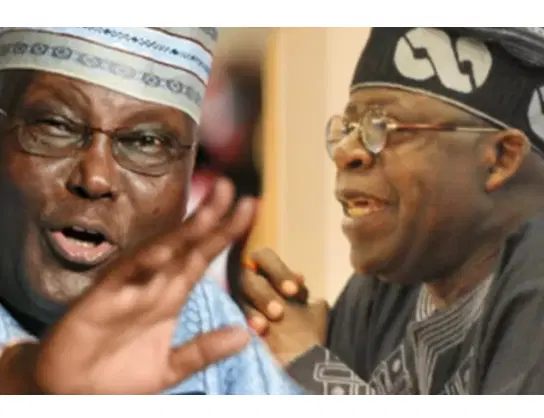
…When food rises, families suffer.’ Of course, energy and transportation costs affect food prices. ‘’But petrol prices alone have never caused food inflation. Nigerians experienced rising food prices, even during the years when petrol subsidy was in place. ‘’Agricultural productivity, insecurity, exchange rates, logisti…

…economy, lowering transportation and logistics costs and ultimately easing pressure on food prices and other essential goods and services. “When he gives you fuel at an affordable price, it will affect the flight ticket,” he said, citing the high cost of domestic air travel during festive periods as another consequence…

…fuel subsidy, arguing that the policy had triggered increases in transportation costs, food prices and production expenses while putting pressure on jobs and household incomes. “Fuel affects transportation. Transportation affects food prices. Energy affects production. Production affects jobs. All of them determine whe…

…across Nigeria's food value chain are designed to increase production, reduce food prices and improve national food security.He expressed confidence that the projects, scheduled for completion in 2027, would transform BUA Foods into Nigeria's largest food company while helping to moderate the cost of essential food ite…

…has criticised the President Bola Tinubu-led administration over the continued rise in food prices. According to the ADC, the government has run out of ideas on how to address the worsening cost of living. The party said the government’s focus on the slight decline in headline inflation did not reflect the reality face…

Economists and financial analysts have explained why food prices and the cost of living continue to rise despite Nigeria recording a second consecutive decline in headline inflation in July 2026. DAILY POST reports that Nigeria’s headline inflation declined for the second consecutive month to 15.43 percent in July from…

…N228.4bn in 2023 to N826.5bn in the 2025 budget, according to the report. The NRS said food prices had fallen by about 50 per cent by March 2026, citing the Ministry of Agriculture. However, it acknowledged that agriculture would require several planting seasons before increased government support could translate fully…
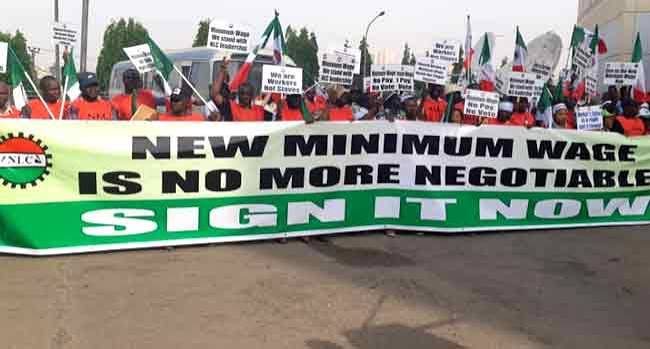
…said worsening economic conditions had eroded workers' purchasing power. He cited rising food prices, transport fares, rent and inflation as factors making the current wage inadequate. President Tinubu signed the current national minimum wage bill into law on July 29, 2024, raising it from N30,000 to N70,000 per month.…
…chairs the NEC, said government policies were ultimately measured by their impact on food prices, healthcare, education and household welfare, the report added. The post Economic Council approves $4.5b crude oil backed loan refinance for NNPC appeared first on Vanguard News.

…urged government officials to communicate with greater sensitivity, noting that rising food prices, insecurity and declining purchasing power remain key concerns for many citizens. The development expert also spoke on the renewed public debate over the President’s academic credentials, suggesting that INEC should clear…

…out the private sector and making borrowing too expensive for manufacturers.Atiku said food prices, unemployment, naira depreciation, and business closures represented the true economic scorecard of the administration, adding that no official presentation could change the daily reality facing Nigerians."Governments are…
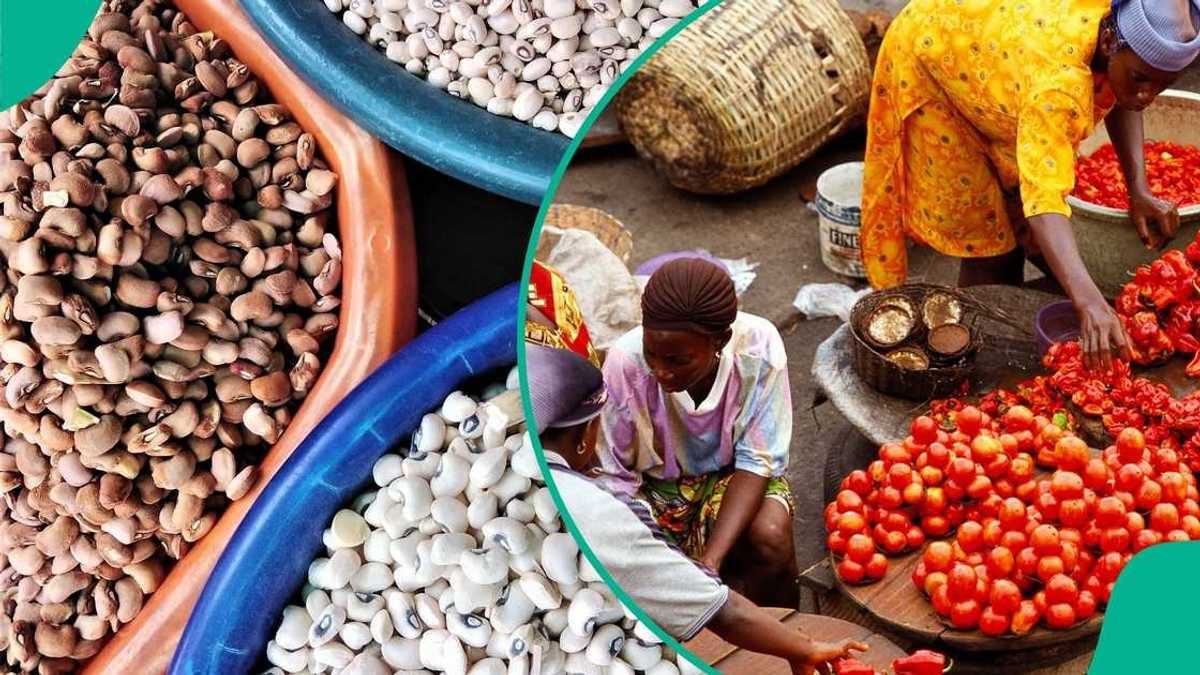
…in the final quarter of 2025, when the harvest season temporarily brought some relief to food prices.BudgIT described the earlier decline as temporary, noting that it represented “seasonal relief, not a structural improvement.”According to the organisation, tighter food supplies after the harvest season, combined with…

…measures to cushion their effects on citizens. According to him, rising inflation, high food prices and declining agricultural productivity show that many Nigerians are yet to benefit from the reforms being championed by the Federal Government. Lukman, however, insisted that the responsibility for changing the politica…
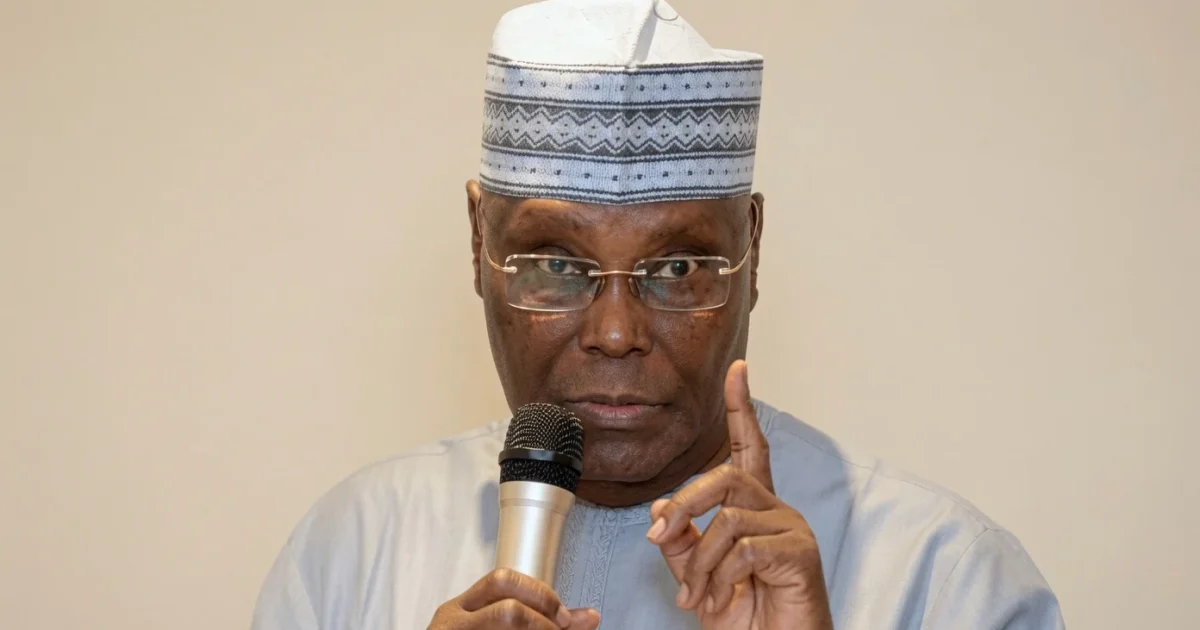
…“Empty slogans cannot fill empty stomachs. Boastful declarations cannot lower food prices. Threats against political opponents cannot restore the value of the naira,” Atiku stated. He further contended that the President’s biggest political challenge was not the opposition but the performance of his own administration.…

…buys less today than N30,000 did five years ago. Inflation hovers around 34 percent. Food prices have doubled and tripled. The naira in the worker’s pocket has been decimated. The government takes more and gives less, and then has the audacity to claim fiscal responsibility. This is the arithmetic of oppression. The go…

…could worsen food inflation and further strain households already struggling with rising food prices across the country. According to him, rice production is projected to decline by six per cent to about 8.3 million tonnes, while cultivated land may be reduced by seven per cent. “Rice is the big one. Production is proj…

…during the quarter highlighted the fragility of Nigeria’s economic recovery as higher food prices, energy costs, transportation expenses and exchange rate pressures continued to raise production costs and weaken consumers’ purchasing power. “MAN has consistently maintained that addressing inflation requires coordinated…