APC criticizes Atiku's subsidy restoration plan as ADC demands accountability for funds
The APC opposes Atiku's proposal to reinstate fuel subsidies, while the ADC calls for transparency on N15.8tn in revenues.


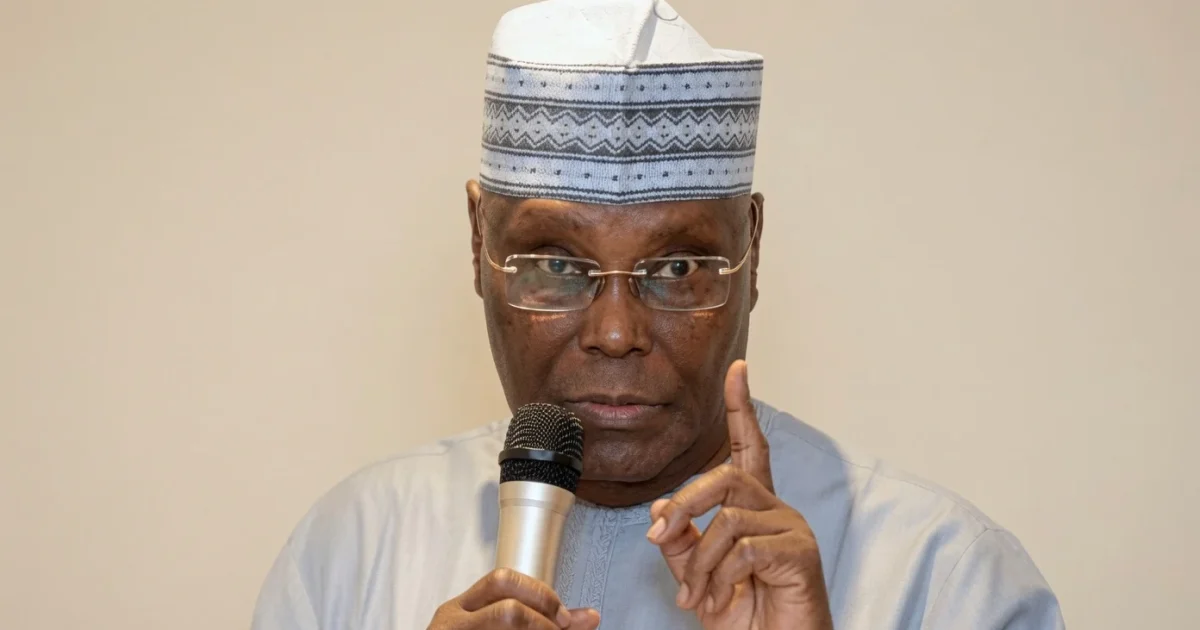
The debate surrounding the removal of petrol subsidies in Nigeria has intensified as the 2027 elections approach. The All Progressives Congress (APC) has sharply criticized former Vice-President Atiku Abubakar’s proposal to reinstate the subsidy, warning that such a move could jeopardize recent economic reforms and lead to adverse effects on wages, education, and infrastructure.
In a statement issued by APC National Chairman Prof. Nentawe Yilwatda, the party expressed concerns that Atiku's plan would revert Nigeria to the previous subsidy regime, which they argue was financially unsustainable. Yilwatda emphasized that while cheaper petrol might seem appealing, the broader implications on government revenue and public services must be considered. He stated, "Nigerians must also ask the bigger question: who pays for the subsidy and what happens to the resources that government must divert to finance it?"
The APC has maintained that the removal of the subsidy, enacted by President Bola Tinubu in May 2023, has led to significant economic gains, despite the immediate rise in petrol prices and living costs. Yilwatda noted that the increased federal allocations following the subsidy removal have improved the financial health of many states, which previously struggled to meet their payroll obligations.
On the other hand, the African Democratic Congress (ADC) has challenged the government to account for the N15.8 trillion in additional revenues claimed to have been generated since the subsidy’s removal. The ADC's presidential candidate has promised to restore the subsidy if elected, arguing that the current economic hardships faced by Nigerians necessitate such a measure.
The ADC's National Publicity Secretary, Mallam Bolaji Abdullahi, criticized the APC’s stance, claiming that the increased revenues have not translated into improved living conditions for the average Nigerian. He pointed out that while the government boasts of trillions in revenue, many families are struggling to afford basic necessities. Abdullahi questioned, "If governments are receiving substantially more money, why are Nigerians getting substantially less food to eat?"
The ADC has also raised concerns about the rising petrol prices, which have skyrocketed from about N185 per litre before the subsidy removal to over N1,300 per litre in some areas. They argue that the burden of economic reforms has disproportionately affected ordinary citizens, prompting calls for transparency regarding how the additional revenues have been utilized.
As the 2027 elections draw near, the subsidy debate is expected to be a focal point for both the APC and ADC, with opposition parties emphasizing the cost of living, unemployment, and insecurity in their campaigns. The ADC has urged the APC to present a clear plan for reducing petrol prices and alleviating the economic strain on Nigerians, rather than simply dismissing calls for subsidy reinstatement.
In light of these developments, the APC has reiterated its commitment to sustainable economic policies that do not rely on costly subsidies. Yilwatda concluded by stressing the need for a strong economy capable of financing essential services without reverting to unsustainable fiscal practices. The ongoing discussions surrounding the subsidy issue will likely play a significant role in shaping the political landscape as the country approaches the elections.
Sources
- Punch Newspapers Original article