Deadly missile strike on Riyadh airport leaves 12 dead, over 300 injured
A missile attack on King Khalid International Airport in Riyadh resulted in 12 fatalities and over 300 injuries, prompting international reactions.


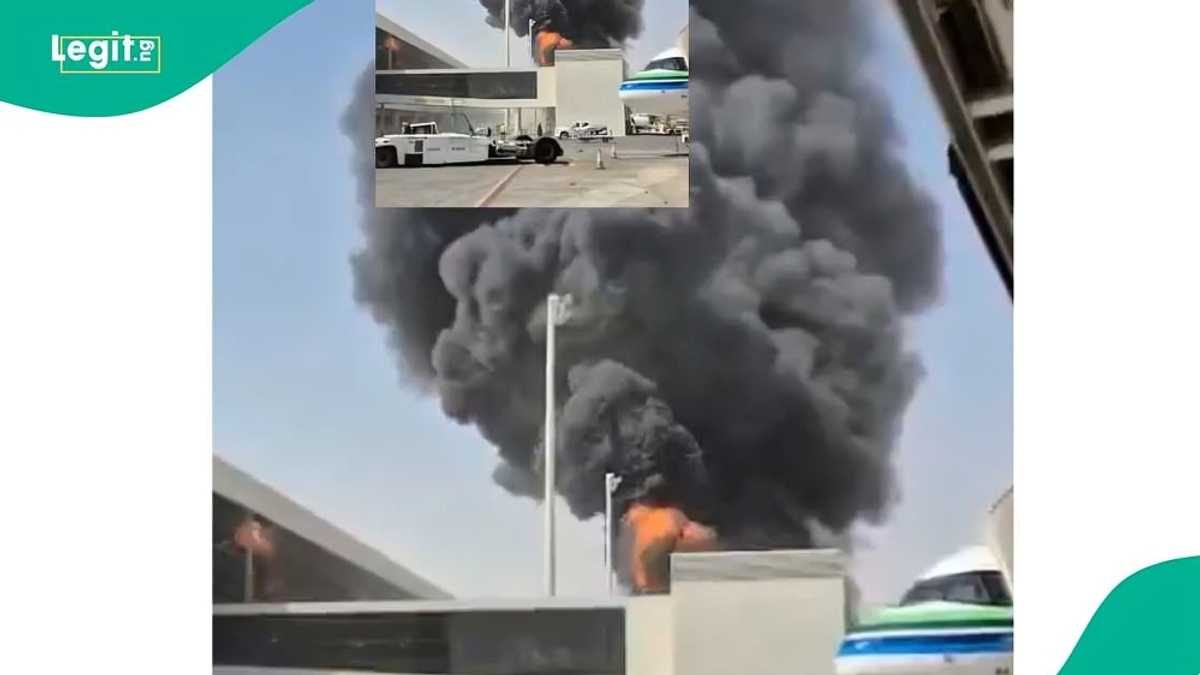
A missile strike on King Khalid International Airport in Riyadh, Saudi Arabia, on October 10, has resulted in the tragic loss of 12 lives, including a U.S. citizen, and left over 300 individuals injured, as reported by Saudi civil aviation authorities. The attack, attributed to Iran-backed Houthi rebels from neighboring Yemen, marks one of the deadliest incidents in the Gulf region since the onset of the Iran conflict.
The missile hit a complex housing terminals 3 and 4, primarily used for domestic flights. Among the deceased are four Saudi citizens, two Bangladeshi nationals, a Palestinian, an Egyptian, a Jordanian, a Syrian, and a Sudanese. Many of the injured are reported to be in critical condition and are receiving treatment in various hospitals across the city.
In response to the attack, Saudi civil aviation authorities suspended airport operations, extending the closure by an additional 24 hours. The situation has prompted several countries, including the United States, the United Kingdom, Germany, Australia, and Canada, to issue warnings to their citizens to avoid the airport area.
U.S. President Donald Trump has indicated that he is considering whether the United States should join Saudi Arabia in military strikes against the Houthi rebels. Following the attack, Trump expressed his disapproval, stating, "What happened in Saudi Arabia is not acceptable," and indicated he would discuss the situation with Crown Prince Mohammed bin Salman.
The Saudi-led coalition has condemned the missile strike, labeling it a "fully-fledged war crime" and vowing a strong response. This incident is part of a broader escalation of hostilities, with the Houthis having previously launched attacks on the airport that resulted in fatalities among Saudi personnel.
The escalation comes amid a backdrop of increased military activity in the region, with the Saudi-led coalition actively supporting Yemeni government forces against the Houthis. The recent surge in attacks has raised concerns about the safety of air travel in Saudi airspace, leading several airlines, including Air India and Lufthansa, to suspend flights to and from the kingdom.
The missile attack is not an isolated incident but part of a series of assaults that have targeted Saudi Arabia's critical infrastructure, including military facilities and oil installations. The Houthis have claimed that their military operations are in retaliation for the Saudi-led blockade affecting their territories.
As the situation continues to develop, Saudi Arabia is reportedly facing shortages in missile interceptors and has sought assistance from allies, including France and Britain, to bolster its air defense capabilities. The U.S. has also been providing intelligence and support to the Saudi coalition as tensions in the region escalate.
The international community is closely monitoring the situation, with diplomatic efforts ongoing to de-escalate the conflict and prevent further loss of life.
Sources
- Legit Original article