Petrol Prices Surge Nationwide Amid NNPC Relief Efforts
Recent increases in petrol and diesel prices across major Nigerian cities raise concerns for consumers.


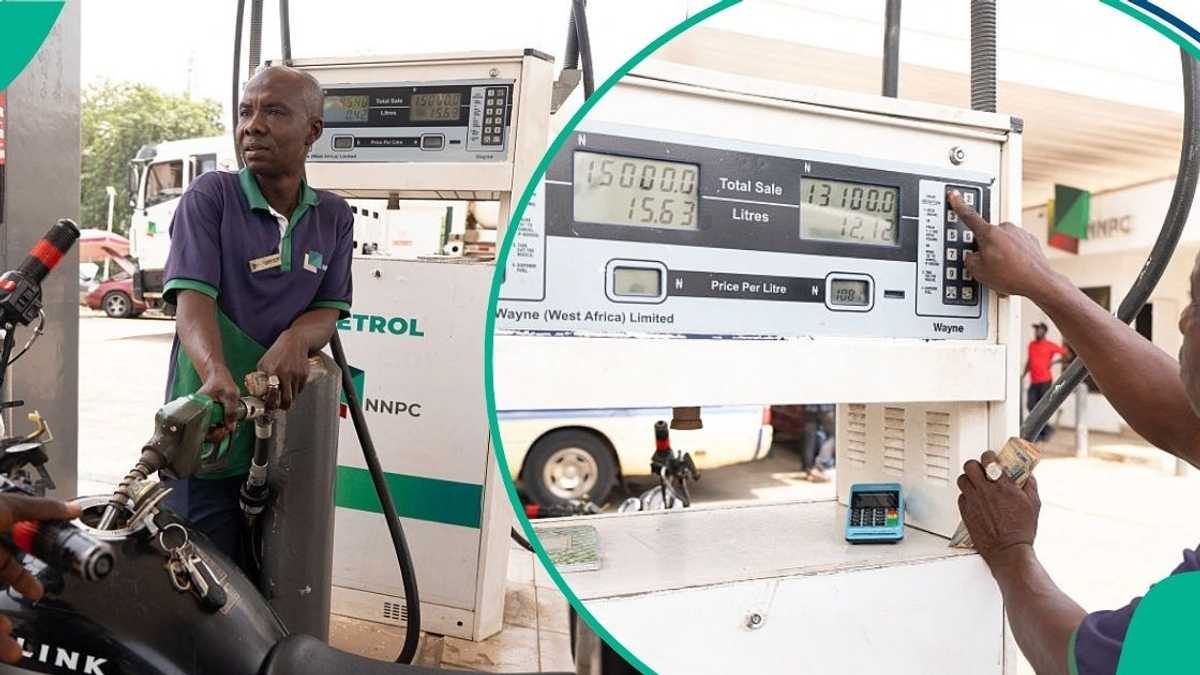
Petrol prices have surged across major Nigerian cities, with depot prices rising significantly in locations such as Lagos, Warri, Port Harcourt, and Calabar. As of October 9, 2026, Calabar recorded the highest depot price at ₦1,370 per litre, while diesel prices also climbed to ₦2,000 per litre at Matrix’s depot in Warri.
The latest figures indicate that between October 5 and October 9, depot prices for petrol increased across the board. In Lagos, for instance, Nipco raised its price from ₦1,323 to ₦1,350, while Aiteo and Wosbab also adjusted their prices upwards. Warri saw even steeper hikes, with Matrix increasing its price by ₦37, bringing it to ₦1,360 per litre. The sharpest increase, however, was noted in Calabar, where Matrix raised its price by ₦67.
Despite a federal government initiative aimed at easing fuel costs by having NNPC Retail forgo its profit margin, the rising depot prices suggest that the relief may not be sufficient to curb the escalating costs. The government’s intervention is intended to help consumers by allowing NNPC to sell petrol at cost, but this does not impose a blanket price freeze on all marketers. Instead, it specifically targets NNPC’s retail margins while discussions about a broader price cap continue.
The increases in depot prices come against a backdrop of rising landing costs for fuel. Recent reports indicate that the petrol landing cost rose to ₦1,316.93 per litre, up by ₦20.15, while diesel landing costs increased by ₦108.43 to ₦1,878.74. These rising costs are expected to put additional pressure on pump prices, leading to potential increases in transportation and delivery expenses for households and businesses alike.
In Port Harcourt, depot operators have also increased their prices, with Stockgap raising its petrol price by ₦55 to ₦1,360. The price adjustments reflect significant variations among suppliers, even within the same market, complicating the landscape for consumers.
As the situation develops, the concern remains whether these higher depot prices will translate into increased costs at the pumps, affecting everyday Nigerians who rely on fuel for transportation and generator use. The ongoing fluctuations in fuel prices highlight the challenges facing the Nigerian energy sector and the impact of market dynamics on consumers.
Sources
- Legit Original article