Global petrol car sales drop below 50% as electric vehicles gain traction
Rising fuel prices push consumers towards electric and hybrid vehicles, impacting petrol car sales.


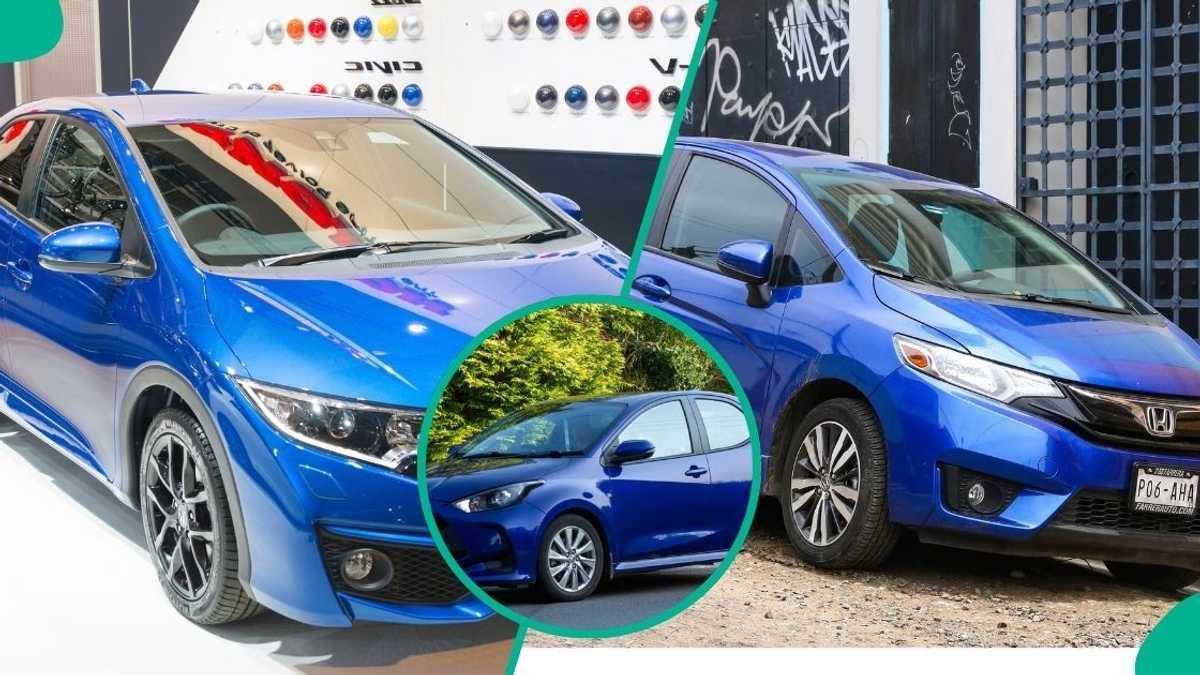
For the first time, petrol-only cars have fallen below half of global new-vehicle sales, driven by soaring fuel prices that are prompting buyers to explore electric and hybrid alternatives. This significant shift in consumer behavior was reported by automotive analytics provider Mobility Global, revealing a 10% year-on-year decline in petrol-powered vehicle sales, which totaled 20.25 million units from January to June 2026.
The share of petrol vehicles in the global market has dropped to 49%, indicating a notable change in purchasing trends as consumers increasingly consider the long-term costs associated with vehicle ownership. Factors such as the ongoing crisis in the Strait of Hormuz have exacerbated concerns over fuel price volatility, further steering buyers towards more sustainable options.
In Europe, the trend is particularly pronounced, with the European Automobile Manufacturers’ Association reporting a 52.2% increase in battery electric vehicle registrations in August 2026 compared to the previous year. This surge, which saw registrations reach 243,207, coincided with a 23.5% decrease in petrol car registrations in the same market.
The broader global landscape reflects a rebound in electric vehicle sales, with the International Energy Agency noting a 35% rise in global electric car sales during the second quarter of 2026 compared to the first quarter. This increase is attributed to heightened awareness of fuel price instability, prompting consumers in countries such as Australia, Brazil, India, South Korea, and Vietnam to double their electric vehicle purchases compared to the same period in 2025.
For Nigerian consumers, the implications of these global trends are significant, particularly as they weigh the costs of owning a vehicle. While the shift towards electric and hybrid vehicles is evident globally, local market conditions remain uncertain. The recent global sales data does not provide clarity on local vehicle pricing or confirm any reductions by Nigerian dealers.
Moreover, the Nigerian government has taken steps to promote cleaner energy solutions by removing import duties and Value Added Tax (VAT) on electric vehicles and compressed natural gas (CNG). This initiative, part of the Presidential Gas for Growth Initiative, aims to alleviate transport and energy costs, potentially influencing future vehicle purchasing decisions in the country.
As the automotive market continues to evolve, Nigerian buyers will need to consider not just the initial purchase price of vehicles but also the ongoing costs of maintenance, fuel, and energy. The shift in consumer preferences towards electric and hybrid vehicles is likely to reshape the landscape of vehicle ownership in Nigeria, reflecting a broader global trend towards sustainability and cost-effectiveness in transportation.
Sources
- Legit Original article