Navigating Nigeria's Trading Platforms: Key Considerations for Investors
As trading gains traction in Nigeria, selecting the right platform is crucial for success.


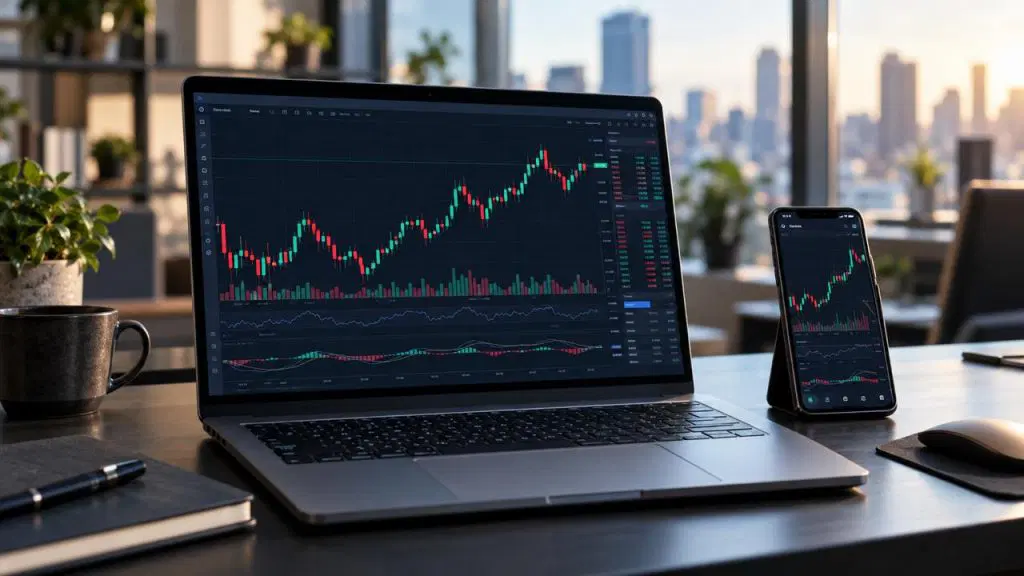
In recent years, trading has surged in popularity across Nigeria, fueled by a tech-savvy youth population and the pressing need to safeguard savings against a depreciating naira. With numerous platforms available, potential investors face the challenge of choosing the right one to meet their needs.
Understanding the term "trading platform" is essential, as it encompasses a variety of services. Options include local stockbroking apps for accessing shares on the Nigerian Exchange, international investing apps that provide access to US stocks and ETFs, forex and CFD platforms for short-term trading, and cryptocurrency exchanges. Each type of platform carries its own set of risks and operational rules, making it crucial for users to identify their specific trading goals before making a choice.
When considering a platform, the first question to ask is about regulation. The Securities and Exchange Commission (SEC) oversees the capital market in Nigeria. Users should verify whether a platform, or its Nigerian partner, is registered with the SEC. For international platforms, it is advisable to check for licenses from reputable regulators and confirm their validity on official websites. Locally registered platforms offer the advantage of accessible complaint channels, while offshore platforms may limit recourse options in case of issues.
Another critical factor is the ease of funding and withdrawing money. Investors should investigate how they can deposit funds—whether in naira or foreign currency—and the methods available, such as bank transfers or local payment partners. Understanding the conversion rates and withdrawal fees is vital, as a platform with low trading fees but poor currency conversion can ultimately be more costly.
Cost transparency is also paramount. Prospective users should look for a clear fee structure that outlines all potential costs, including spreads, commissions, overnight fees, and charges for deposits and withdrawals. If this information is difficult to find, it may be a red flag about the platform's reliability.
Education is another important aspect to consider. A good trading platform should provide educational resources such as demo accounts, tutorials, and market analysis. Users are encouraged to utilize demo accounts to familiarize themselves with the platform's functionality before committing real funds.
It is equally important to assess whether the platform operates effectively under real Nigerian conditions. Users should test the app on their devices and networks to ensure it performs well, particularly during peak trading hours. Additionally, customer support should be readily available and knowledgeable about local payment issues.
Investors should remain vigilant for warning signs that could indicate a fraudulent platform. Red flags include promises of guaranteed high returns, pressure to recruit others, and requests to transfer money to personal accounts. If any of these warning signs are present, it is advisable to reconsider the platform.
Ultimately, the ideal trading platform in Nigeria is one that is well-regulated, transparent about fees, reliable in currency conversion, and user-friendly. Potential investors should narrow down their options, experiment with demo accounts, and start with small deposits to test the waters. With careful selection, trading can be a legitimate avenue for financial growth and diversification.
Sources
- Vanguard News Original article