Olojo Festival in Osun Features Viral Rain-Control Ritual Amid Debates
A viral video from the Olojo Festival shows a young man performing rain-controlling rituals, igniting discussions online.


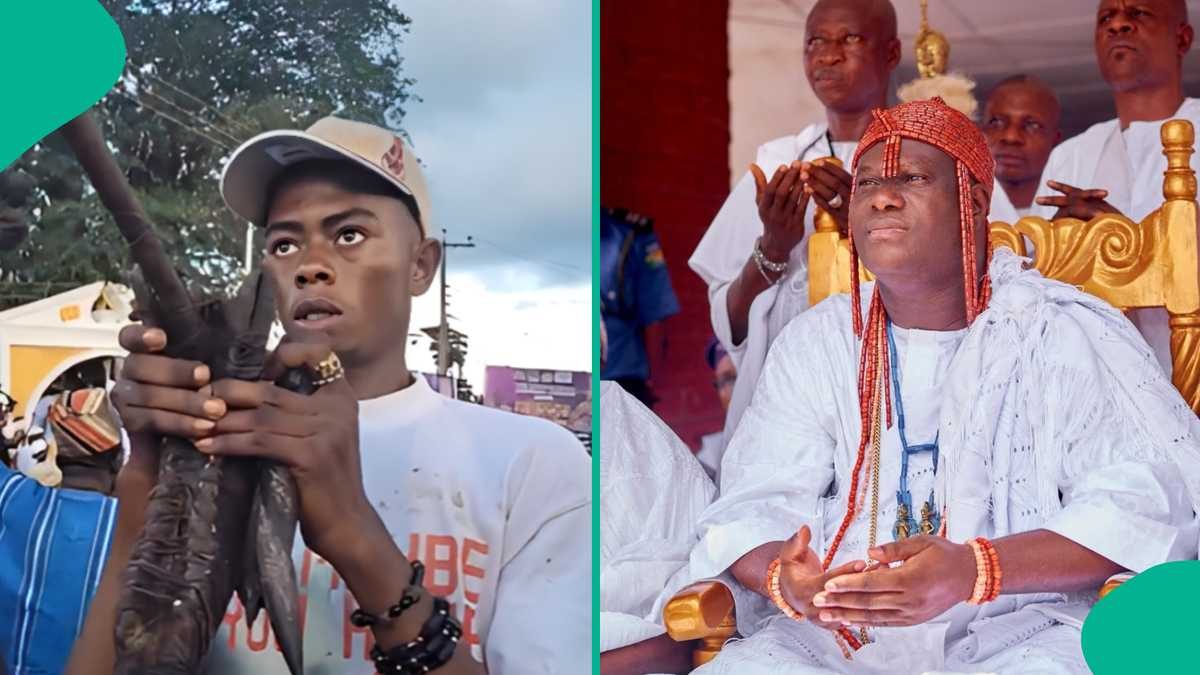
The 2026 Olojo Festival in Ile-Ife, Osun State, has sparked considerable online debate following the emergence of a video depicting a young man engaging in rain-controlling rituals. The festival, celebrated on September 26, is a significant cultural event in Yorubaland, traditionally linked to the Ooni of Ife, Oba Enitan Ogunwusi.
In the viral footage, the young man is seen wielding a staff and chanting under ominous, cloudy skies, as he attempts to prevent rain from disrupting the festivities until the Ooni's safe return to his palace. This performance drew a crowd, with many spectators observing the ritual closely.
The spectacle has divided social media users, with some expressing belief in the ritual's effectiveness, while others questioned why such powers are not utilized to address larger national issues, such as climate change or drought. This debate highlights a broader skepticism towards traditional practices in the face of contemporary challenges.
The Olojo Festival is renowned for its deep cultural significance, marking the creation of the first day on earth according to Yoruba cosmology. It features various traditional rituals and performances, with the Ooni playing a pivotal role in the proceedings. The festival not only celebrates Yoruba heritage but also serves as a platform for showcasing traditional practices, including weather manipulation rituals that have been part of West African culture for centuries.
This year's festival follows a similar incident in 2025, when a performance by Esu, a deity associated with the Olojo Festival, also gained significant attention online. The ongoing interest in such rituals reflects a growing curiosity about the intersection of spirituality and contemporary life in Nigeria.
As the video continues to circulate, it raises questions about the relevance and application of traditional practices in modern society, provoking discussions on faith, culture, and the role of ancient rituals in addressing current challenges.
Sources
- Legit Original article