2027 Election Campaigns Begin Amid Concerns Over Hate Speech and Violence
As Nigeria gears up for the 2027 elections, fears of hate speech and political violence loom large.


The campaigns for Nigeria's 2027 general elections officially kicked off on August 19, 2026, following the signing of a Peace Accord by several presidential candidates. However, concerns are mounting that this electoral cycle may devolve into a bitter contest marked by hate speech, misinformation, and political violence, overshadowing critical issues affecting the populace.
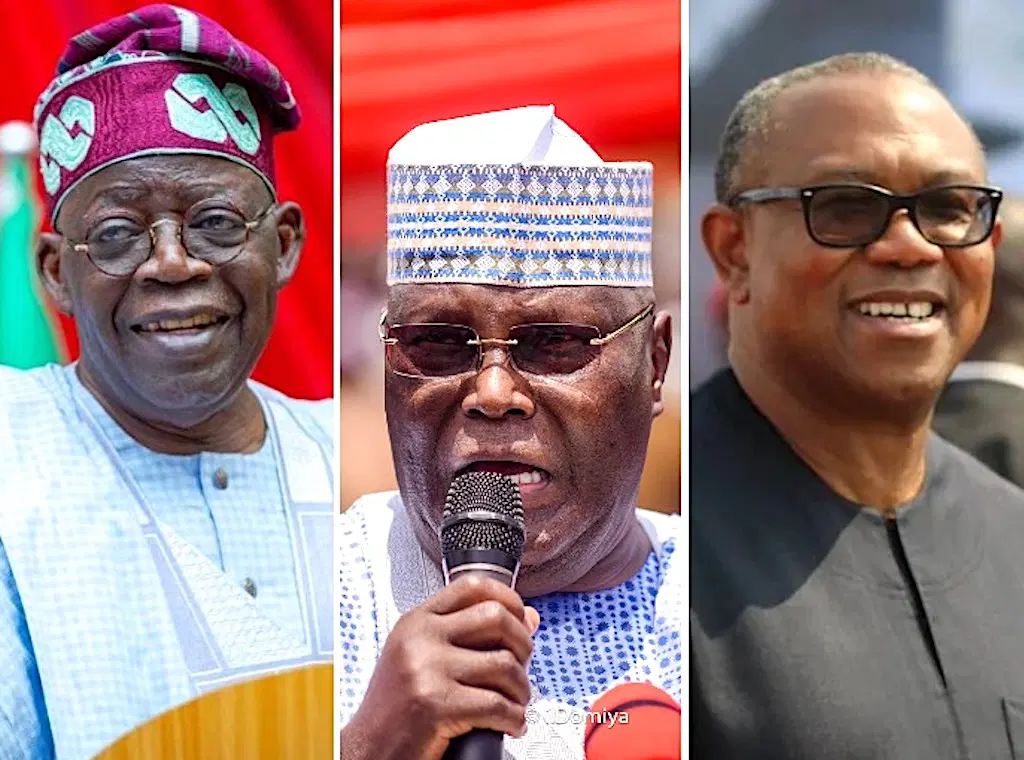
The Peace Accord, facilitated by the National Peace Committee and supported by the Kukah Centre, aims to promote responsible political engagement among candidates. Notable signatories include Peter Obi of the National Democratic Congress (NDC), Adewole Adebayo of the Social Democratic Party (SDP), and Omoyele Sowore of the African Action Congress (AAC). President Bola Tinubu, representing the All Progressive Congress (APC), was absent from the signing event, while Alhaji Atiku Abubakar of the African Democratic Congress (ADC) did not provide an explanation for his absence.
The political landscape is already charged, with Tinubu facing legal challenges from Atiku regarding his qualifications for the presidency. Atiku has alleged that Tinubu did not fulfill his National Youth Service Corps obligations, a claim that adds to the tensions between the two candidates. Additionally, Obi is pursuing a case in the U.S. related to a drug forfeiture involving Tinubu, reminiscent of the personal attacks that characterized the previous election cycle in 2023.
Historical patterns of political rhetoric in Nigeria have often taken on ethnic and religious dimensions, raising alarms among civil society organizations and political stakeholders. Previous elections in 2011, 2015, and 2023 were marred by divisive language and violence, including the recent governorship election in Osun State, which reportedly resulted in the deaths of at least 40 individuals.
As the campaigns progress, key figures are urging candidates to focus on substantive issues rather than resorting to personal attacks. Dr. Joe Okei Odumakin, President of the Centre for Change, expressed her concerns about the potential for social media to exacerbate tensions through the spread of misinformation and inflammatory content. She emphasized the need for political discourse to center on policies and competence rather than ethnic or religious animosities.
Similarly, Dr. Andrew Mamedu, Country Director of ActionAid Nigeria, highlighted the dangers of allowing political competition to devolve into ethnic hatred and violence. He underscored the importance of adhering to the Electoral Act, which prohibits abusive language that could incite violence or harm ethnic and religious sentiments.
Political analysts and stakeholders are calling for a shift towards issue-based campaigns that address pressing concerns such as the economy, security, and healthcare. Chief Ademola Folarin of Afenifere noted that while personal attacks may be expected, they should not dominate the electoral discourse. He remarked that the electorate is becoming more discerning and less susceptible to divisive tactics.
As Nigeria prepares for the elections, the call for peaceful and responsible campaigning resonates across the political spectrum. The hope is that the 2027 elections will prioritize unity and constructive dialogue, steering clear of the pitfalls of previous electoral cycles. The overarching message is clear: political opponents should be viewed as fellow citizens, not enemies, as the nation navigates this critical juncture in its democratic journey.
Sources
- Vanguard News Original article