

…accounted-for production translates directly into increased export revenues, improved foreign exchange inflows, and strengthened fiscal capacity. National oil company performance in recent years illustrates this shift towards profitability and efficiency, driven in part by reduced losses and enhanced operational contin…
Nigeria’s foreign exchange reserves have climbed above $52.5 billion, reaching their highest level in 17 years, the Central Bank of Nigeria (CBN) has announced. The apex bank also disclosed that headline inflation moderated from 15.91 per cent in June to 15.43 per cent in July 2026, with both food and core inflation re…
…that the country’s macroeconomic stabilisation had produced significant improvements in foreign exchange liquidity, reserves, inflation and economic growth, but structural constraints, high financing costs and weak household purchasing power were limiting the conversion of these gains into inclusive growth. The report…
…growth momentum as lower inflation, continued exchange rate stability, and improved foreign exchange liquidity ease production constraints and strengthen business confidence,” the NESG said. The post NESG projects inflation to average 15.5% in H2’26 appeared first on Vanguard News.

…said on Wednesday that the removal of petrol subsidy and the unification of the foreign exchange market generated N15.8tn in additional resources for the Federation between June 2023 and December 2025, with states and local governments receiving the larger share of the amount. The government, however, acknowledged that…

…The expanded capital return strategy comes as Airtel Africa continues to navigate severe foreign exchange pressures across key African markets, particularly in Nigeria, its largest market, where local currency devaluations have significantly impacted reported earnings and dollar-denominated revenue figures over the pas…

…interventions, including petroleum sector reforms that ended fuel scarcity, greater foreign exchange market stability, increased foreign reserves, local government autonomy, police reforms, the Nigerian Education Loan Fund (NELFUND), tax reforms, and extensive road infrastructure projects across the country and the Fed…
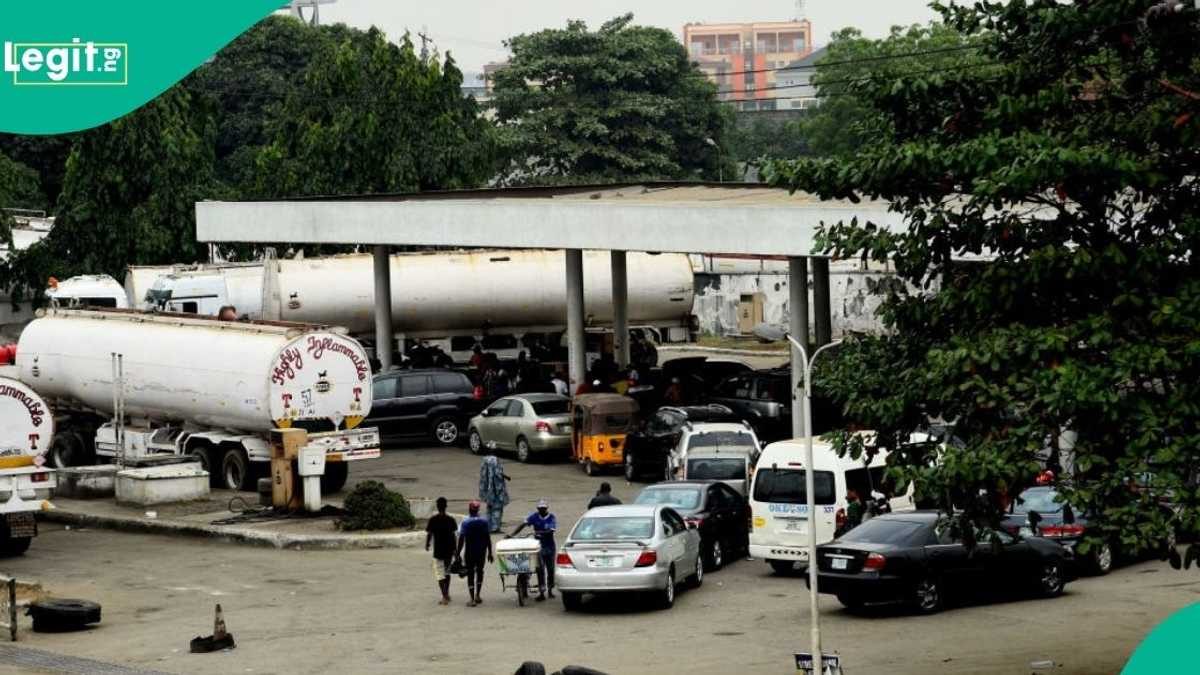
…would pay after factoring in international refined-product prices, freight, financing, foreign exchange, port charges and other associated costs.PAY ATTENTION: From breaking news to viral moments. Follow Legit.ng on Instagram!Why Import Costs Are ClimbingGlobal crude prices are a key driver. MEMAN's seven-day averages…
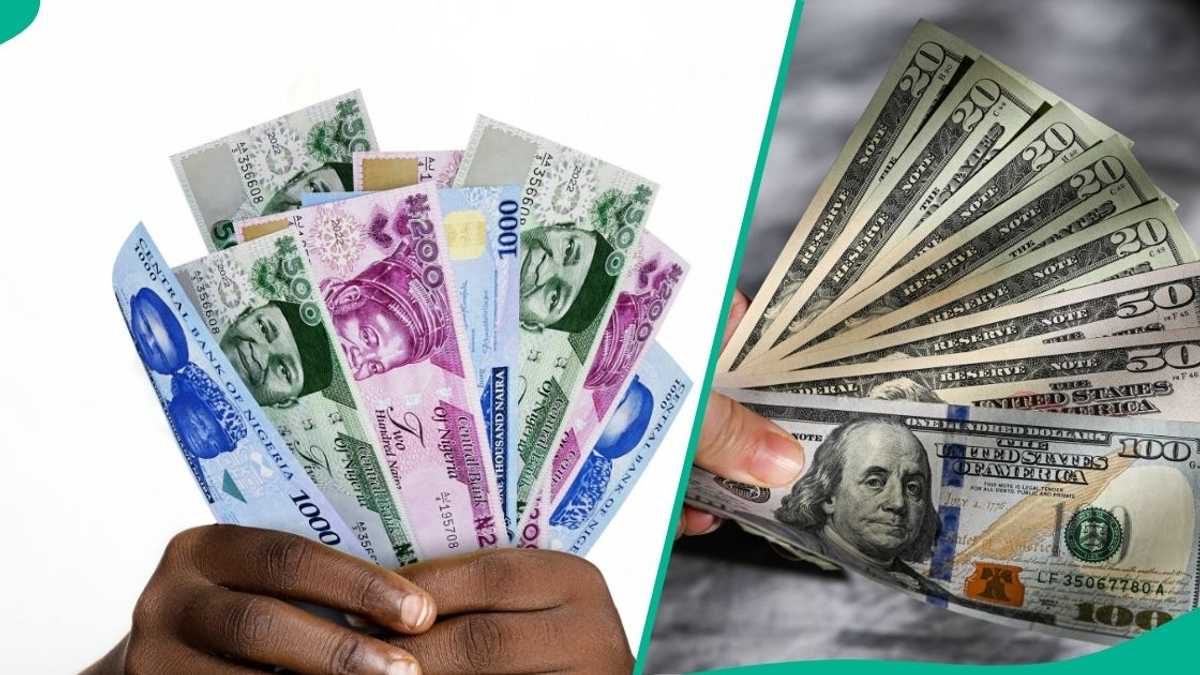
…to a five-month high on Monday, August 17, 2026, as increased activity in the foreign exchange market coincided with the Central Bank of Nigeria’s latest policy adjustment affecting banks’ access to its Standing Lending Facility (SLF).The local currency appreciated by N8.07 against the US dollar, with the dollar quoted…
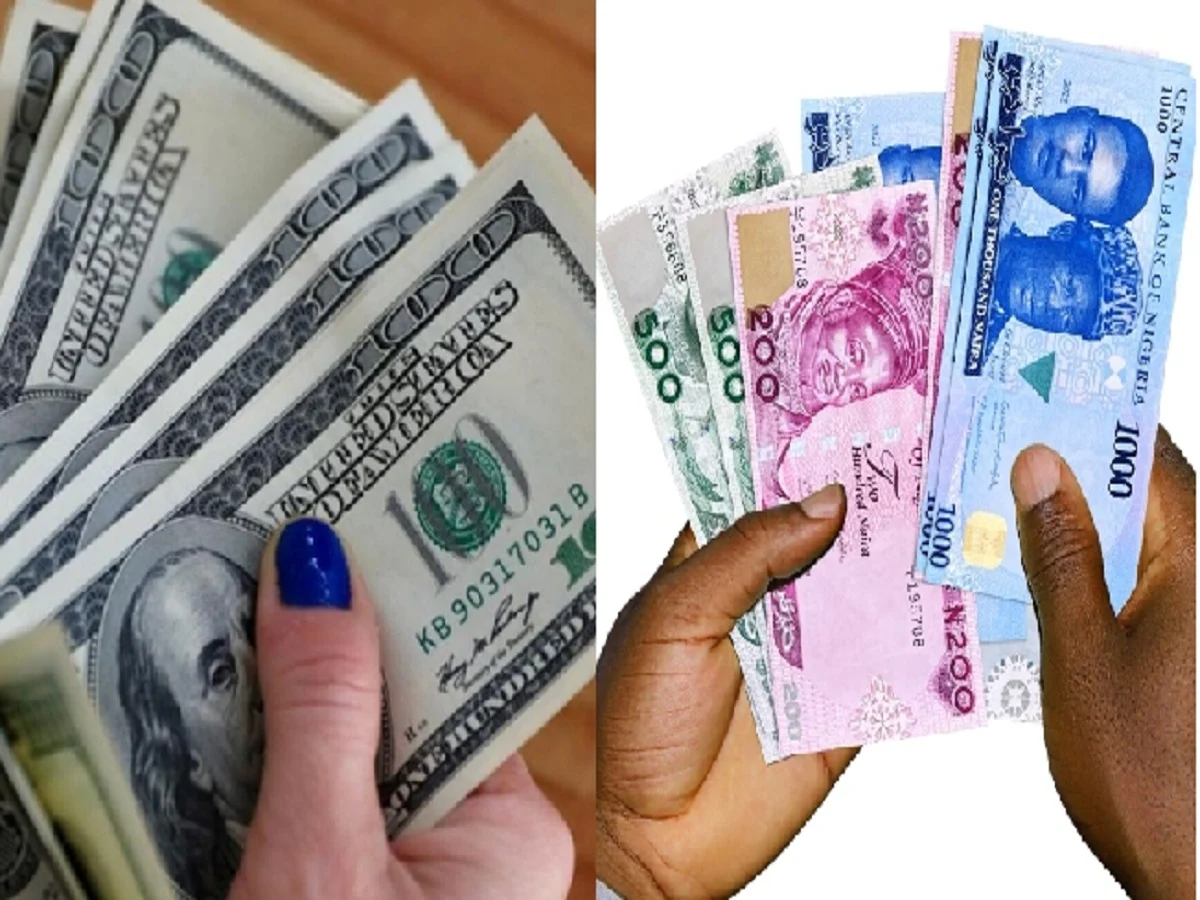
…States (US) dollar, trading at N1,349.5372 at the Central Bank of Nigeria (CBN) official foreign exchange (FX) window on Monday, August 17, 2026.Contents…Black market (Buying and selling rates): N1,410— N1,420 The data shared on the CBN’s official platform shows that the naira traded at the Nigerian Foreign Exchange Ma…

…Federal Government’s reforms, aimed at easing the challenges associated with sourcing foreign exchange in the country, a report, by the Manufacturers ‘ Association of Nigeria (MAN), revealed that sourcing forex was a major issue for the manufacturers, in the second half of 2026. The post Foreign exchange, huge concern…
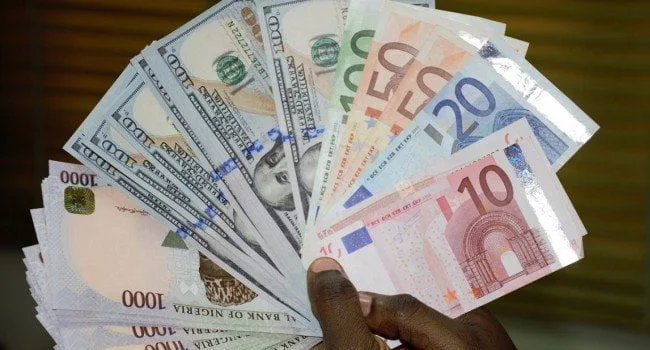
Total turnover in the foreign exchange market reported by FMDQ Securities Exchange experienced a sharp decline for the week ended Friday, 14 August 2026, falling 44.90 per cent to $2,054.89m compared to $3,729.44m recorded in the week ended 7 August 2026. This contraction represents a week-on-week loss of $1,674.55m ac…

…to retain more value within the Nigerian economy through jobs, rural incomes, foreign exchange savings and increased industrial capacity. “We don’t lack policy. What we have struggled with is world-class execution,” Bakrin said, adding that the challenge was more about governance than farming. The NSDC boss described t…

…level recorded in 17 years — as the naira held steady across both official and parallel foreign exchange markets.Figures from the Central Bank of Nigeria (CBN) showed that the naira appreciated by N8.08 against the dollar over the course of the week, closing at N1,357.61 per dollar at the Nigerian Foreign Exchange Mark…

…of the country’s biggest economic challenges, including soaring inflation, persistent foreign exchange shortages, high energy costs and weak industrial productivity. The bank disclosed the plans in its 2025 Annual Development Impact Report, analysed by our correspondent, describing 2026 as a “strategic inflection point…
…the Discount Window on the same day will remain in force. However, it removed the foreign exchange (FX) transaction restrictions on access to the Discount Window arising from participation in the Nigerian Foreign Exchange Market, NFEM and primary auctions of government securities. The apex bank further said the suspens…

…for government revenue because crude oil remains the country’s largest source of foreign exchange and a major contributor to public finances. The NRS also pointed to developments in the capital market as another indication of improving economic confidence. It said the market capitalisation of the Nigerian Exchange had…

…demand. However, investors still face challenges including unreliable power supply, foreign exchange volatility, high infrastructure costs and regulatory uncertainty. Industry observers say the CBN’s data localisation policy could further accelerate investment in local data centres and strengthen Nigeria’s ambition to…

…unchanged since June 2008. “Consider what has happened to the cost of fuel, electricity, foreign exchange, imported components, software licences and specialist training since 2008. The service has had to absorb today’s costs with yesterday’s tariff base. “The dedication of our workforce has helped bridge that gap, but…

…to implement. He highlighted the removal of fuel subsidy, the unification of the foreign exchange market, efforts to improve government revenue, increased infrastructure investment, policies aimed at attracting local and foreign investors, the expansion of the student loan programme, renewed emphasis on agriculture and…
…implemented by the Tinubu administration since 2023. The presidency noted that its foreign exchange market reforms introduced in 2023 had positively impacted the country’s stock market. “One of these significant reforms was the unification of the foreign exchange market. “By establishing a single, market-determined exc…
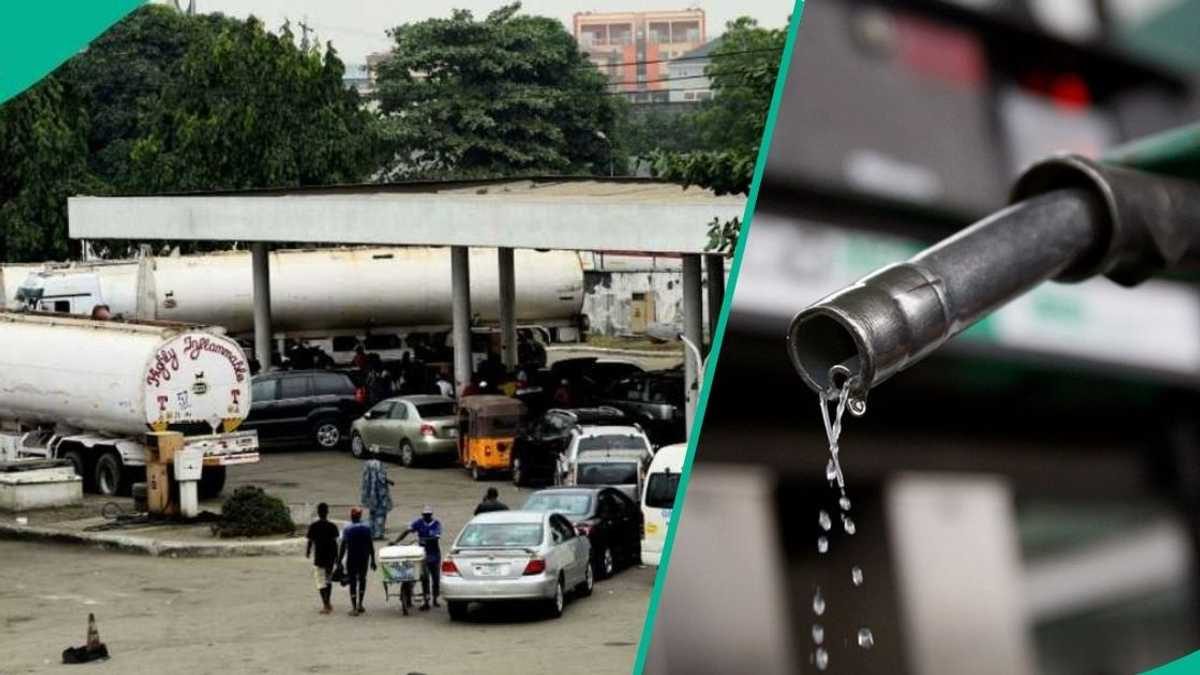
…carries its own risks. Lower oil prices typically shrink export earnings and reduce the foreign exchange inflows that the country relies on to support public spending. Marketers release new ratesMeanwhile, on Tuesday, August 4, depots across Nigeria made little changes to their petrol prices as they monitored developme…
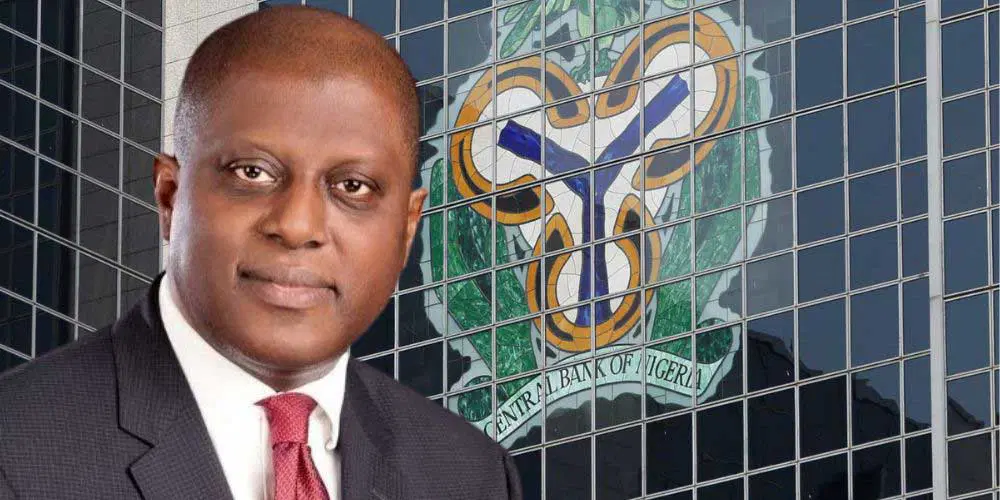
…remarks of the CBN Governor, Mr Olayemi Cardoso, attributed the increase to stronger foreign exchange inflows and renewed investor participation across different asset classes, saying the trend reflects growing confidence in the country’s economic management and ongoing reforms. She said the reforms are restoring stabi…

…performance, expressing concern over the rising cost of living and fluctuations in the foreign exchange market. “Now, how many people can take three square meals a day? How much were we buying fuel for before? How much is it now? They said they have stabilised the exchange rate… from how much to how much? And it will g…
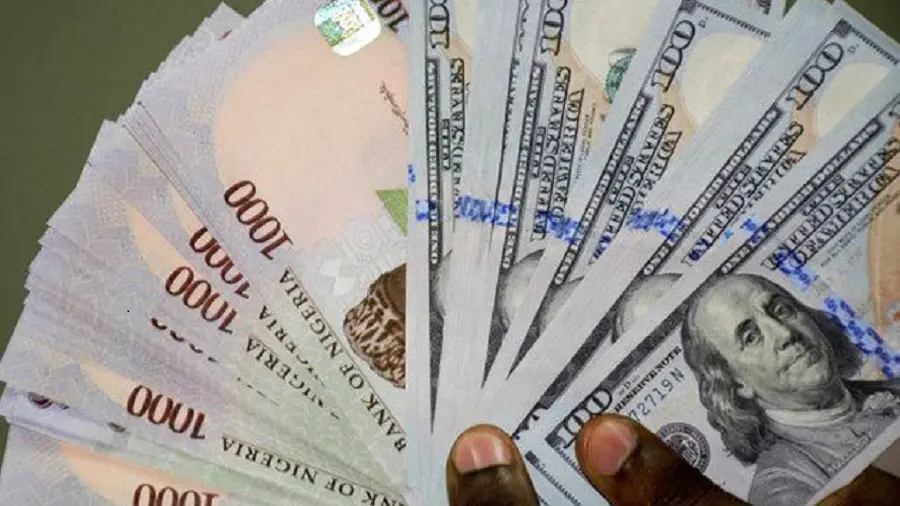
The naira appreciated against the dollar at the official foreign exchange market on Monday, beginning the week and the new month of August on a positive note. Data from the Central Bank of Nigeria showed that the naira strengthened to N1,364.83 per dollar on Monday, up from N1,368.22 per dollar recorded on Friday. This…