Nigeria's National Sugar Development Council targets $1bn for sugar self-sufficiency
The National Sugar Development Council is mobilizing a $1bn investment to boost local sugar production.


The National Sugar Development Council (NSDC) is embarking on an ambitious initiative to secure a $1 billion investment aimed at achieving sugar self-sufficiency in Nigeria. This strategic move is part of a broader effort to reduce the country’s reliance on imported sugar, which currently costs approximately $1 billion annually.
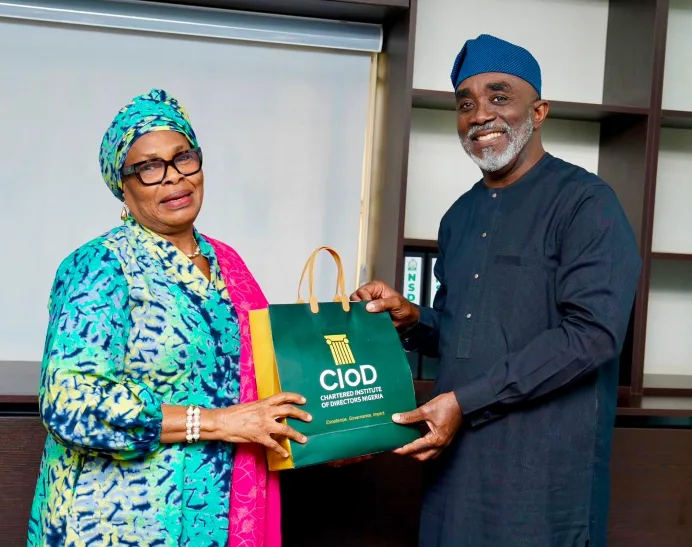
Kamar Bakrin, the Executive Secretary and Chief Executive Officer of the NSDC, revealed the details during a recent courtesy visit from members of the Abuja chapter of the Chartered Institute of Directors at the council's headquarters. The investment plan includes a partnership with SINOMACH, a Chinese company, focusing on engineering, procurement, construction, and financing.
In a statement released by the NSDC, it was highlighted that Nigeria consumes about 1.8 million metric tonnes of sugar each year. Bakrin emphasized the need to retain more economic value within Nigeria, which would lead to job creation, increased rural incomes, and savings in foreign exchange. He noted, "We don’t lack policy. What we have struggled with is world-class execution," pointing out that governance challenges have hindered progress in the sector.
The NSDC's roadmap, termed the Nigeria Sugar Master Plan 2.0, is designed as an acceleration mandate to enhance local sugar production, with a target of producing two million metric tonnes of sugar domestically. Bakrin explained that the initiative encompasses more than just sugar production, as sugarcane can also be utilized for producing ethanol, animal feed, and even electricity. He stated, "Our job is to build a bio-industrial ecosystem around it — this is not just about producing a commodity."
To ensure effective implementation, Bakrin outlined a revamped Backward Integration Programme based on four principles: qualify, reward, verify, and enforce. This program mandates that companies seeking import quotas demonstrate a genuine commitment to backward integration, while major refiners must provide audited production commitments linked to their quotas. Additionally, the NSDC is employing satellite imagery and field inspections to verify activities at sugar production sites independently.
Addressing the financing challenges within the sector, Bakrin indicated that while capital is available, there has been a lack of bankable projects to absorb it. The ₦10 billion Sugar Project Acceleration Fund, in collaboration with the Bank of Industry, aims to finance feasibility studies and prepare projects for investment. This fund will facilitate the transformation of greenfield sites into investment-ready packages, which will then feed into the $1 billion EPC-plus-finance agreement with SINOMACH.
The NSDC is also working with Afreximbank and the Nigeria Governors’ Forum to expedite the development of sugar estates nationwide. In a bid to support smallholder farmers, the council has introduced the Sugarcane Outgrower Development Programme, which encourages farmers to become co-owners in the sector's growth. Each sugar estate is required to reserve land for outgrowers and invest in local communities through infrastructure and employment opportunities.
Bakrin drew inspiration from successful sugar-producing nations like Brazil, emphasizing that institutional development is essential for sustained productivity. He called on the Chartered Institute of Directors to assist in strengthening governance across sugar estates, mills, and outgrower companies. Fatima Mede, leader of the CIoD delegation, praised the NSDC's leadership in reforming the sugar industry and expressed the institute's readiness to collaborate on mutually beneficial initiatives to enhance the sector's development.
Sources
- Punch Newspapers Original article