Nigeria allocates ₦728.979 billion to settle legacy debts in power sector
The Nigerian Bulk Electricity Trading Plc initiates payments to boost electricity supply.


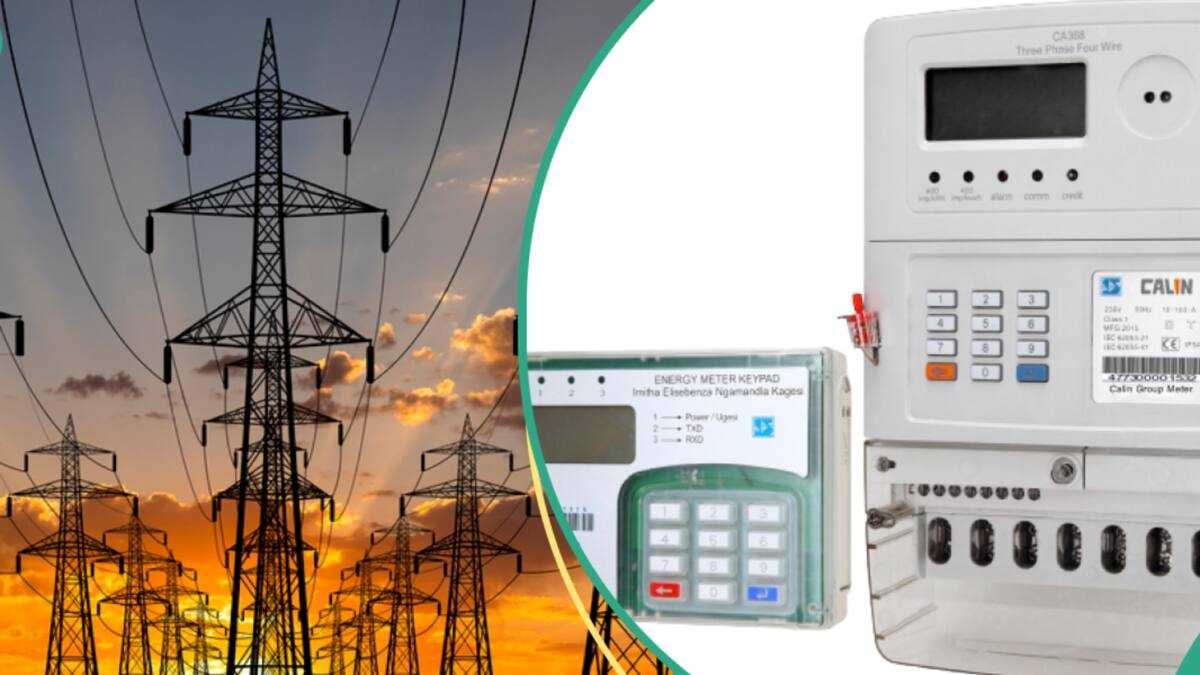
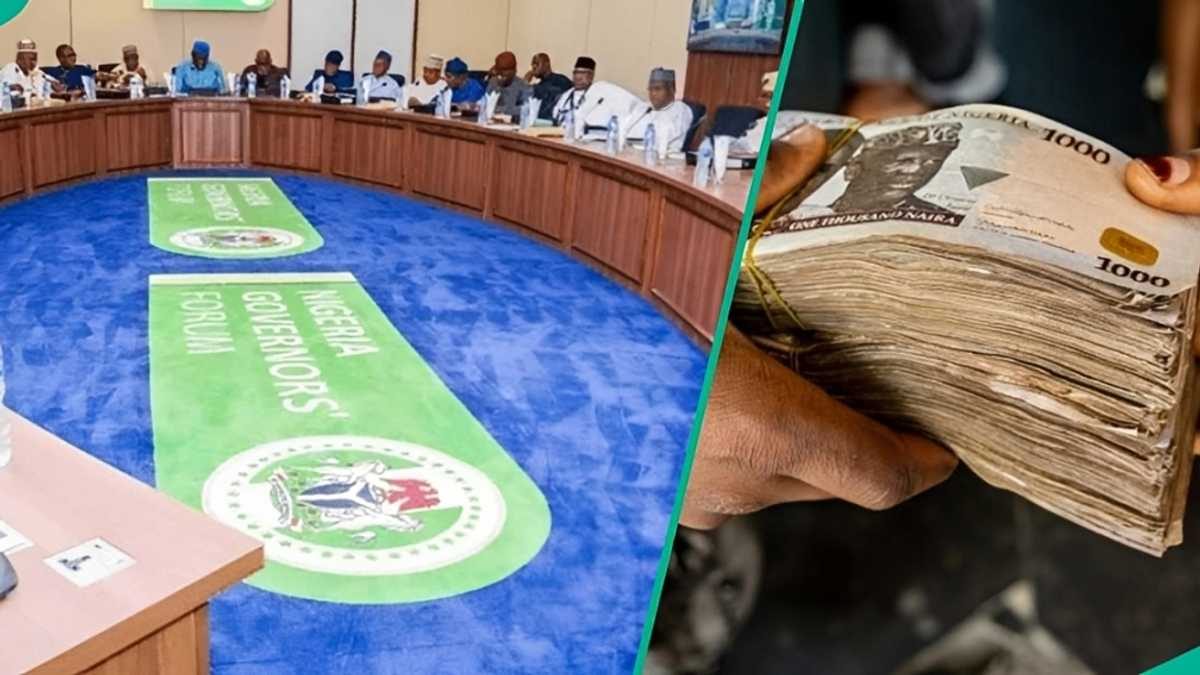
In a significant move to enhance electricity supply across Nigeria, the Nigerian Bulk Electricity Trading Plc (NBET) has commenced the payment of ₦728.979 billion in legacy debts owed to power generation companies (GenCos) and gas suppliers. This payment follows the issuance of its Series 2 bonds, marking a crucial step in the ongoing efforts to stabilize the country's power sector.
The payment is structured into two parts: ₦402 billion in cash bonds and ₦326.979 billion in non-cash bonds. This settlement is part of a larger ₄ trillion naira initiative aimed at reducing debts in the power sector, approved under the Presidential Power Sector Debt Reduction Programme in 2025. The current tranche is the second issuance, adding to the ₁.₂₃ trillion naira raised from the first bond issuance in January 2026.
This financial intervention is expected to restore liquidity in the electricity value chain, thereby strengthening the financial stability of participating companies. Akin Odeyemi, NBET's Managing Director and Chief Executive Officer, stated that healthier financial conditions for generators would enable them to maintain and upgrade their plants, ultimately leading to increased electricity production and more reliable supply for consumers.
For households and businesses that have been grappling with frequent power outages and rising costs of alternative energy sources, this debt repayment offers a glimmer of hope. The expectation is that improved financial health among GenCos will translate into fewer disruptions in electricity supply, allowing businesses to reduce their reliance on backup generators and providing households with longer periods of power availability.
However, the path to improved electricity supply is not solely dependent on this debt settlement. Experts caution that the benefits will also hinge on the performance of power plants, the availability of gas, and the effectiveness of the transmission and distribution infrastructure. GenCos have expressed concerns that without addressing new debts accumulating from 2025 and 2026, the sector may continue to face financial challenges despite the clearing of past obligations.
Dr. Joy Ogaji, Chief Executive Officer of the Association of Power Generation Companies, emphasized the need for a sustainable solution that addresses both existing and new liabilities. Similarly, Kunle Olubiyo, President of the Nigeria Consumer Protection Network, warned that without proper oversight and management of public funds, the intended benefits of this debt repayment could be undermined by inefficiencies and inflated claims.
Looking ahead, Odeyemi indicated that NBET is preparing for the next phase of the debt reduction programme, which aims to raise additional funds for verified power sector obligations. As the federal government continues to seek solutions to the ongoing power crisis, the real test will be whether these financial measures can lead to a more stable and reliable electricity supply for the Nigerian populace.
Sources
- Legit Original article