Petrol prices drop to N1,350 per litre as NNPC launches 30-day discount scheme
The Federal Government's new price ceiling sees petrol prices at N1,350, but disparities remain.


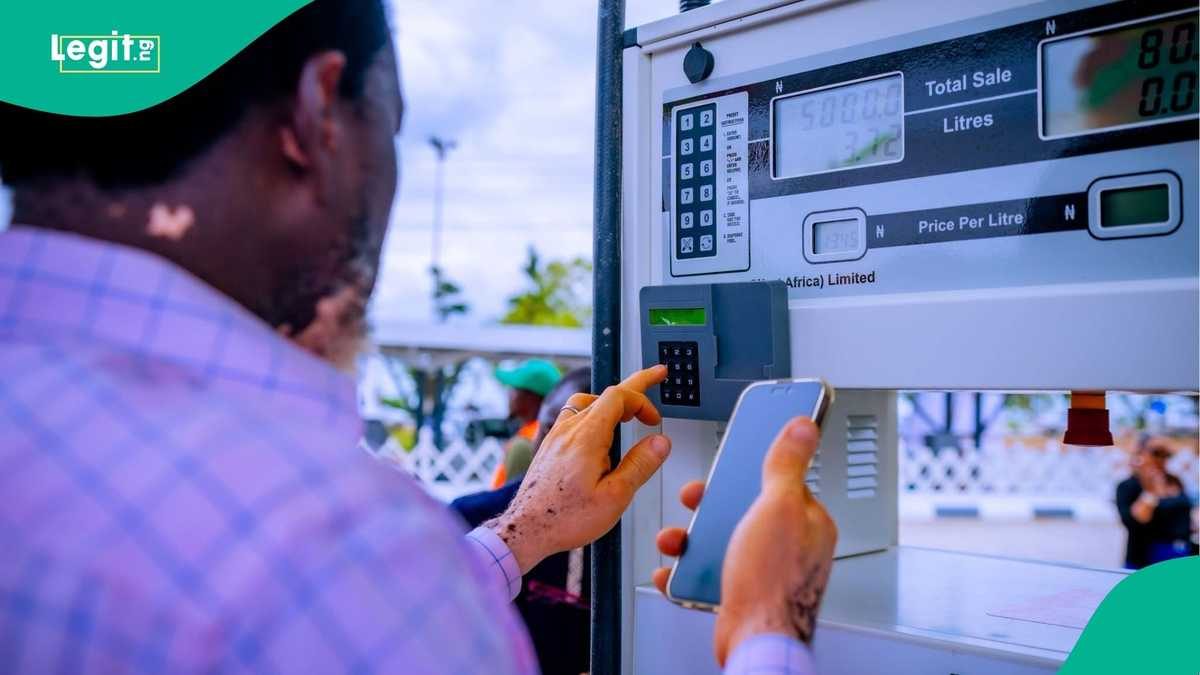
Petrol prices have seen a reduction to N1,350 per litre at several depots across Lagos, Port Harcourt, and Calabar, following the Federal Government's proposal to implement a price ceiling. This adjustment was confirmed on October 9, 2026, as part of efforts to alleviate the financial burden of rising fuel costs on Nigerians.
The price cut comes after the Finance Minister, Taiwo Oyedele, announced negotiations for a N1,350-per-litre ceiling on petrol landing and ex-gantry costs. Under this proposed arrangement, refiners and importers would temporarily absorb any costs exceeding the ceiling, allowing them to recover these expenses later as market conditions improve. This initiative aims to stabilize petrol prices without reverting to the subsidy system that was abolished in 2023.
In Lagos, major depots such as Nipco, Honeywell, Ardova, and Prudent have adjusted their prices to N1,350 per litre. Similarly, in Port Harcourt, TSL and Sigmund depots have also lowered their prices from N1,355 to N1,350. In Calabar, Masters and Northwest depots followed suit, aligning with the new price cap.
However, not all depots are adhering to the proposed ceiling. Five depots in Warri—Rain Oil, Parker, Optima, Keonamex, and Nepal—continue to list petrol at N1,360 per litre, which is N10 above the government's proposed cap. This discrepancy underscores the uneven pricing practices among depot operators, even as the government seeks to regulate fuel costs.
To further support consumers, the Nigerian National Petroleum Company Limited (NNPC) has announced a 30-day petrol discount scheme. This initiative will prioritize public transport operators, with NNPC foregoing its retail profit margin to help reduce pump prices for customers. The government hopes that these measures will cushion households, businesses, and transport operators from the impact of rising fuel prices.
Despite these efforts, the final impact on motorists will depend on how effectively the proposed price arrangement is implemented and whether the savings are reflected at filling stations. As the situation evolves, consumers will be closely monitoring these changes to understand how they will affect their daily fuel expenses.
Sources
- Legit Original article