Trump imposes sanctions on ICC, threatens to cripple court's operations
US sanctions target the International Criminal Court amid ongoing tensions over prosecutions.


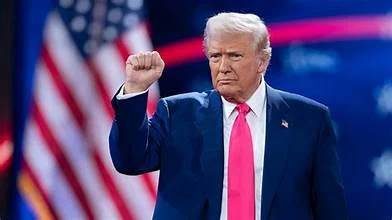
In a significant escalation of tensions between the United States and the International Criminal Court (ICC), President Donald Trump has announced sanctions aimed at crippling the court's operations. The sanctions were publicly revealed by US Secretary of State Marco Rubio, who accused the ICC of unfairly targeting American citizens and labeled it a "rogue court."
Rubio stated, "President Trump will never allow the International Criminal Court to prosecute Americans. That is why, today, the United States is sanctioning the International Criminal Court. We will ban transactions with this rogue court, cutting off their resources and crippling its ability to operate." This declaration marks a continuation of the US's longstanding opposition to the ICC, particularly in light of its investigation into alleged war crimes by US soldiers in Afghanistan and its arrest warrants against Israeli officials, including Prime Minister Benjamin Netanyahu.
The ICC, which was established in 2002 to prosecute individuals for war crimes, crimes against humanity, and genocide, has 125 member states, but the United States is not one of them. The sanctions announced by the Trump administration are particularly notable as they could have broader implications than previous measures that targeted individual officials. The sanctions are likely to restrict American companies from conducting business with the ICC, potentially impacting sectors such as banking, insurance, and software services.
In a response to the sanctions, Nazhat Shameem Khan, the ICC's Deputy Prosecutor, condemned the measures, asserting that they would not deter the court from fulfilling its responsibilities. Khan emphasized, "The sanctions are intended to undermine the rule of law internationally and the work that an independent judicial institution is doing. Our work will continue across all our situations, our investigations and our prosecutions."
Shortly after the sanctions were announced, the US Treasury issued four general licenses that would allow specific transactions involving the ICC's telecommunications, software, pension payments, and detainees. This move indicates a complex approach to the sanctions, allowing for some operational continuity for the court.
The announcement of the sanctions coincided with the awarding of the Nobel Peace Prize to Navi Pillay, a former ICC judge, which the Nobel committee stated was intended to underscore the importance of international law amid growing political pressures on judges and legal institutions worldwide. This timing is expected to heighten diplomatic tensions between Washington and its European allies, many of whom are ICC members and rely on American servicemen for their defense.
Rubio remarked that the US had previously delayed sanctions in hopes that the ICC and its member states would address American concerns. He stated, "Either the ICC will end its threats, or we will end the ICC," urging allied nations to rein in the court's actions. As the situation unfolds, the international community will be watching closely to see how these sanctions impact the ICC's operations and its relationship with member states.
Sources
- Punch Newspapers Original article