Nigeria activates 1,400 primary healthcare centres for eye care services
The Federal Government has launched over 1,400 primary healthcare centres nationwide to enhance eye care.



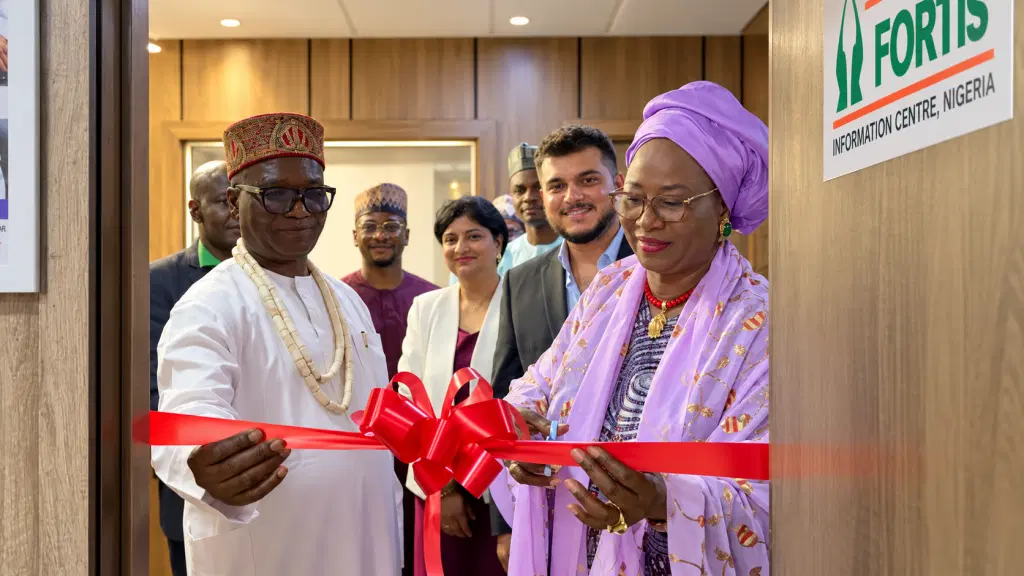
In a significant move to bolster eye health services, the Federal Government of Nigeria has activated more than 1,400 primary healthcare centres (PHCs) across the nation. This initiative aims to provide essential eye care and combat avoidable blindness, as announced by the Minister of State for Health and Social Welfare, Dr. Iziaq Adekunle Salako, during the observance of World Sight Day on October 8, 2026, in Abuja.
The event, themed "The Value of Vision: Investing in People, Productivity and Nigeria’s Future," underscored the critical need for sustained investment in eye health and the integration of eye care into the primary healthcare framework. Dr. Salako, represented by Mrs. Doris Afam-Aneke, the Director of E-Health Division, emphasized that making eye care services accessible and affordable, especially for underserved communities, is a central goal of the government's strategy.
As part of this initiative, the government has trained over 3,000 healthcare workers across 16 states, equipping them with the necessary skills to deliver vital eye care services at the community level. These trained professionals are pivotal in enhancing early detection of eye conditions, raising awareness in communities, and ensuring timely referrals for specialized treatment.
Dr. Salako stated, "A major pillar of our eye health strategy has been the integration and expansion of primary eye care services across the country. The evidence is clear. Sustainable progress in eye health can only be achieved when services are available at the point closest to the people."
In addition to the activation of PHCs, the government has distributed more than 1.5 million pairs of prescription spectacles through the Effective Spectacle Coverage Initiative, known as Jigi-Bola 2.0. Plans are underway to extend this initiative to an additional 10 states, further improving access to affordable vision correction for Nigerians suffering from uncorrected refractive errors.
Moreover, over 1.5 million school-age children have been screened for visual impairments through a dedicated school eye health program, with those needing treatment being linked to appropriate care. To further enhance secondary eye care services, four new vision centres are being established in Enugu, Edo, Sokoto, and Nasarawa states.
The government is also committed to conducting 25,000 free cataract surgeries nationwide by the end of 2027, aiming to improve the quality of life and productivity of Nigerians through better vision. Dr. Salako reiterated the government's dedication to eliminating avoidable blindness and announced that Nigeria will co-host the first Global Summit on Eye Health on November 2 in Antigua and Barbuda, marking an opportunity to contribute to global efforts in integrating eye health into universal health coverage.
Dr. Oteri Okolo Eme, the National Coordinator of the National Eye, Ear and Sensory Functions Health Programme, highlighted that over 80% of visual impairment in Nigeria is avoidable, making the integration of primary eye care a strategic priority. The government is also developing protocols for newborn eye screening to facilitate early detection of conditions that could lead to visual impairment.
The event concluded with the unveiling of the National Eye Health Commitments, aligning with the upcoming Global Summit on Eye Health, and calls for various stakeholders, including governments, development partners, and the private sector, to support efforts in enhancing eye health across Nigeria.
Sources
- Vanguard News Original article