Nigerian Judiciary Faces Criticism Over Election Disputes and Justice Delivery
As Nigeria marks 66 years of independence, the judiciary is under scrutiny for its handling of electoral disputes, raising concerns about public trust in democracy.


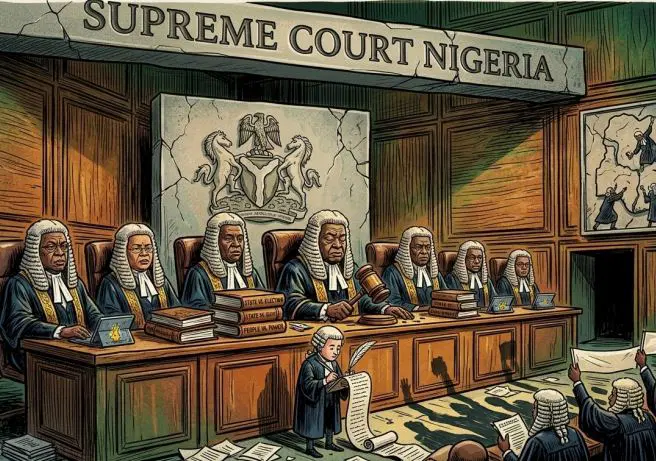
As Nigeria celebrates its 66th independence anniversary, the judiciary, often seen as the last bastion of hope for the common man, is facing renewed scrutiny regarding its role in electoral justice. Critics argue that the judiciary is increasingly perceived as a lost hope, particularly in light of recent controversial judgments that have raised questions about the integrity of the electoral process.
The rise in electoral disputes has been alarming, with a significant increase in the number of election petitions filed since the commencement of the Fourth Republic in 1999. From a mere two petitions in 1999, the numbers surged to 1,996 in 2023, reflecting a cumulative total of 6,840 petitions over the years. This trend has led to a growing perception that the courts have become the final arbiters of electoral outcomes, rather than the polling booths.
Prominent figures, including former President Olusegun Obasanjo, have voiced their concerns regarding the judiciary's role in electoral matters. In a recent address, he described the handling of election disputes as a “travesty” and criticized the culture of politicians urging their opponents to seek judicial redress, suggesting that this undermines the essence of democracy. Obasanjo emphasized that when justice cannot be assured, it jeopardizes the very foundation of electoral democracy.
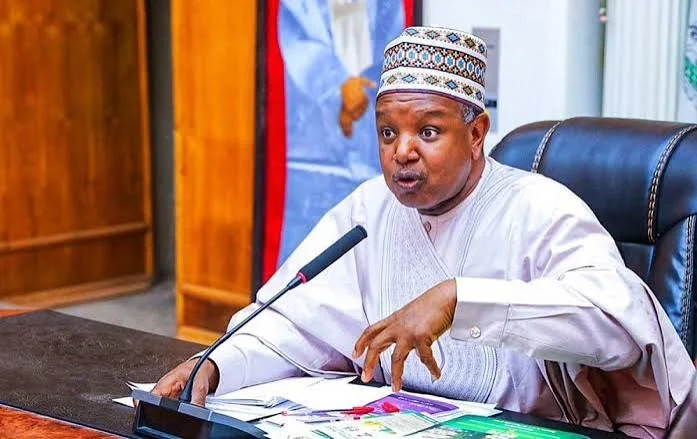
The judiciary's reputation has been further tarnished by allegations of conflicting judgments and the manipulation of legal technicalities. For instance, ActionAid's recent report highlighted troubling inconsistencies in judgments related to election petitions, including cases from Plateau State and the controversial Yobe North senatorial ticket dispute between Bashir Sheriff Machina and Ahmed Lawan. These cases have raised questions about the judiciary's commitment to upholding electoral integrity and fairness.
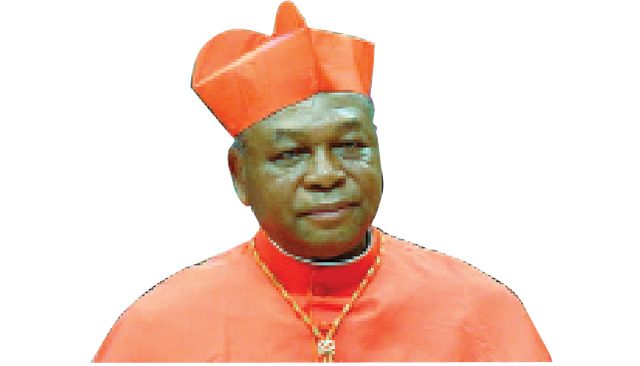
John Cardinal Onaiyekan, during the 22nd All Nigeria Editors Conference, lamented the current state of electoral adjudication, arguing that the judiciary should not be determining election outcomes but rather adjudicating disputes. He called for a comprehensive reform of the legal framework governing elections to restore public confidence in the judiciary.
The ramifications of these issues extend beyond individual cases; they threaten to erode public trust in the electoral process as a whole. Many citizens are left questioning whether the judiciary can be relied upon to deliver justice, especially when political interests seem to overshadow legal principles. The perception that wealthy individuals can influence judicial outcomes further complicates the situation, leading to a growing disillusionment among the populace.
As Nigeria gears up for another election cycle, the pressing challenge remains: how to strengthen the electoral process to minimize disputes and enhance public confidence in judicial decisions. The ongoing debate about the balance of power between voters and the judiciary underscores the need for reforms that ensure the integrity of the electoral process, ultimately reinforcing the democratic fabric of the nation.
Sources
- Vanguard News Original article