Nigeria's Budget Criticized for Being Insufficient Amid Population Growth
Minister Bagudu highlights Nigeria's small budget relative to its large population and development needs.


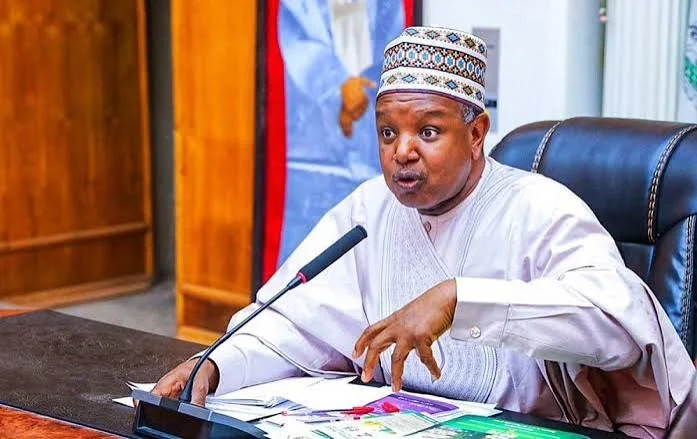
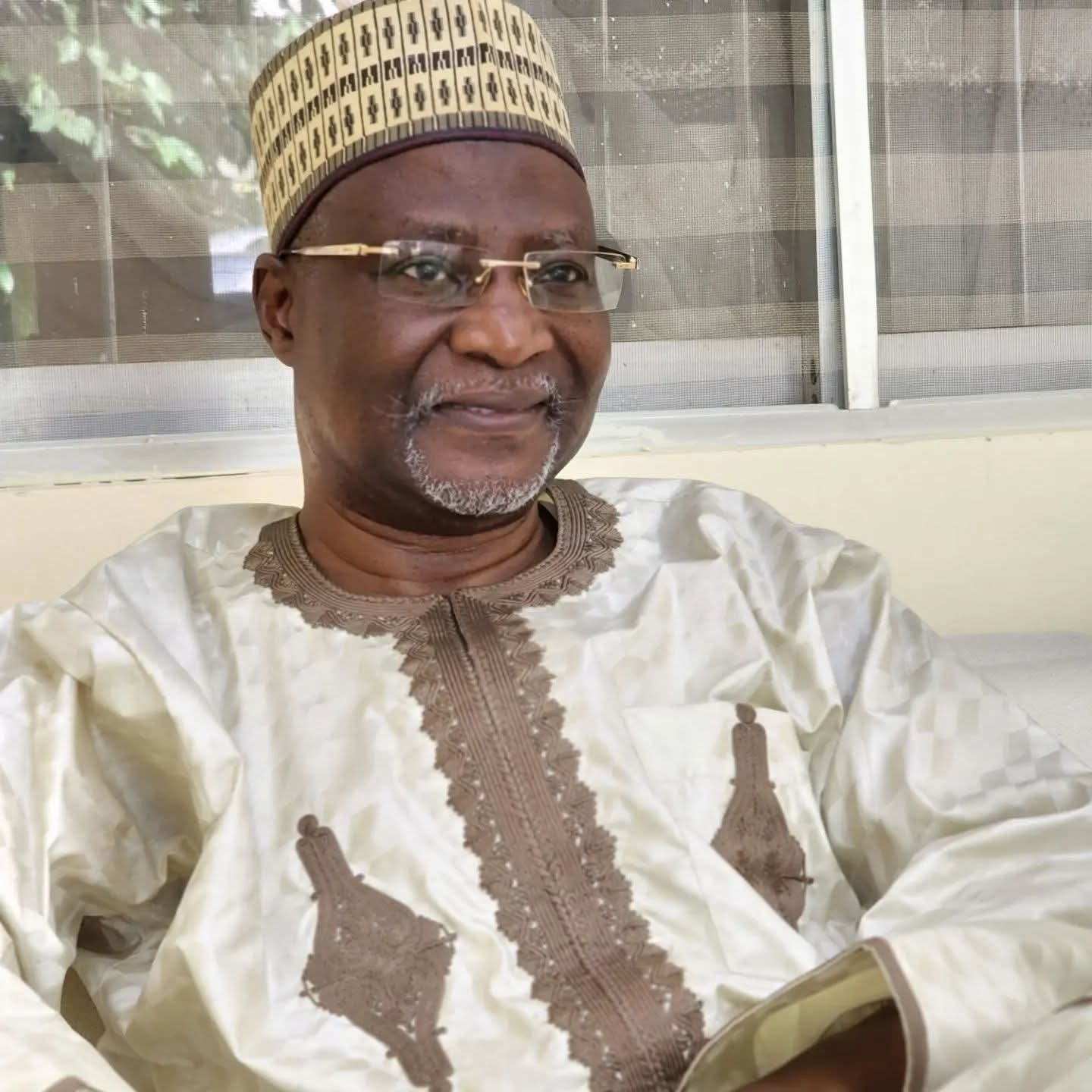
Senator Abubakar Bagudu, Nigeria's Minister of Budget and Economic Planning, has expressed concern over the nation's budget, stating that it is among the smallest when compared to other countries with large populations. Speaking at a workshop organized by the Senate Press Corps in Abuja, Bagudu emphasized the urgent need for a national dialogue on revenue mobilization to address the country's significant development challenges.
Bagudu pointed out that Nigeria, despite being one of the ten most populous nations globally, has a national budget that is disproportionately small. He posed critical questions regarding the adequacy of public spending in relation to the country's development objectives, urging stakeholders to rethink how resources can be mobilized effectively. "Out of the top 10 most populous countries in the world, we have the smallest national budget," he stated, highlighting the pressing need for a strategic approach to fiscal policy.
The minister's remarks come in the context of President Bola Tinubu's Renewed Hope Agenda, which aims to foster a more prosperous and inclusive economy. Bagudu linked this agenda to the broader vision outlined in Agenda 2050, which underscores the necessity for increased public investment and resource mobilization.
He stressed that decisions regarding revenue, expenditure, and borrowing are intricately connected to public confidence, noting that citizens' understanding and support are crucial for the government and the National Assembly to make significant fiscal decisions. Bagudu called on journalists to play a more proactive role in scrutinizing the national budget, urging them to delve deeper into the rationale behind budgetary choices and the intended developmental outcomes.
The minister also addressed concerns regarding alleged unlawful insertions in the budget, advising against hasty conclusions without thorough investigation. He emphasized the importance of understanding the context and beneficiaries of specific budget provisions, stating, "We are dealing with human processes and human errors. Therefore, vigilance is necessary."
In addition, Bagudu highlighted the constitutional role of the National Assembly in the budget process, asserting that the legislature holds ultimate authority over national fiscal matters. He encouraged greater public awareness of the relationship between the Executive and the legislature in shaping the budget, advocating for evidence-based reporting by the media to enhance accountability.
An analysis published by Punch in August revealed that the combined budgets of Nigeria's 36 states and the Federal Capital Territory increased by 47.5 percent from N27.22 trillion in 2025 to N40.14 trillion in 2026. However, the share allocated to capital projects decreased from 73.24 percent in 2025 to 64.34 percent in 2026, even though capital expenditure in nominal terms rose from N19.94 trillion to N25.83 trillion during the same period. Meanwhile, the Federal Government's budget for 2026 stands at N68.32 trillion, significantly higher than the total budgets of the states and the FCT.
As Nigeria grapples with its development needs, Bagudu's call for a comprehensive evaluation of the national budget and revenue mobilization strategies underscores the critical need for fiscal reform to support the country's aspirations for growth and development.
Sources
- Punch Newspapers Original article