Asiko Energy launches new LPG terminal in Lagos to lower cooking gas prices
The completion of a new LPG terminal in Lagos aims to address Nigeria's cooking gas supply gap.


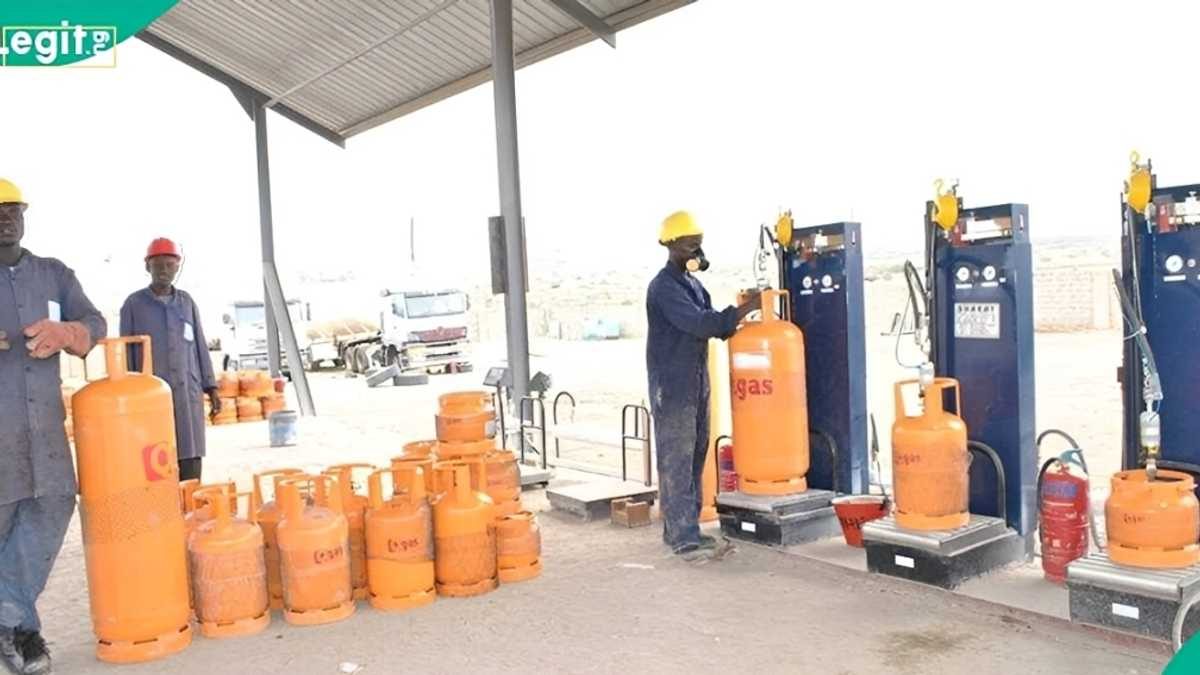
Asiko Energy Holdings Limited has officially completed a 5,000-metric-tonne Liquefied Petroleum Gas (LPG) terminal in Ijora, Lagos, a significant development aimed at reducing cooking gas prices for Nigerian consumers. The terminal, which has been nearly two decades in the making, was inaugurated on September 30, 2026, by the company's Managing Director and Chief Executive Officer, Felix Ekundayo.
The new facility is strategically connected to three major jetties, allowing Asiko Energy to blend cheaper LPG supplies that meet domestic specifications. This innovation is expected to enhance the company's ability to source affordable cooking gas, which has been a pressing issue in Nigeria, where the LPG supply gap remains substantial.
Currently, Nigeria's domestic production of LPG, primarily from Nigeria LNG Limited (NLNG), stands at around 500,000 tonnes annually, covering only about 40% of the national demand. This shortfall has led to soaring prices, with cooking gas retailing between N1,400 and N1,500 per kilogramme. The situation has put immense pressure on households and businesses that depend on this essential fuel.
Ekundayo emphasized the terminal's role in accessing a broader pool of LPG producers, stating, "There are other producers out there that make LPG that is cheaper. It's not the right specification, but it can be blended to make the right specification, which will help us drop down the price of cooking gas." This blending capability is seen as a crucial factor in improving pricing flexibility and availability.
The construction of the terminal involved significant logistical efforts, utilizing approximately 4,000 truckloads of sand, over 6,000 tonnes of steel, and 1,500 stone columns sunk to a depth of 13.5 metres. The project received support from the Midstream and Downstream Gas Infrastructure Fund, along with financing from several banks, including Stanbic IBTC and Wema Bank.
Asiko Energy's Chairman, Alex Ogedegbe, highlighted the project's long journey from conception to completion, noting that it demonstrates how government-backed intervention funds can facilitate private investment in critical gas infrastructure.
Looking ahead, Asiko Energy plans to expand the terminal's capabilities to include LNG storage and distribution, further enhancing its contribution to Nigeria's energy landscape. This development comes at a time when the National Bureau of Statistics reported a 13.73% increase in the average retail price for refilling a 5kg cylinder of LPG month-on-month, indicating the urgent need for solutions to stabilize and reduce cooking gas prices in the country.
With the new terminal operational, there is renewed hope that Asiko Energy's efforts will help alleviate the current supply challenges and bring down the cost of cooking gas for millions of Nigerians.
Sources
- Legit Original article