Nigerian airlines face disruptions as fuel supply cuts hit operations
Flight cancellations and delays plague airlines due to unpaid fuel debts, stranding passengers.



Nigerian airlines are grappling with significant operational disruptions as aviation fuel marketers reduce supplies over unpaid debts. This situation has resulted in flight cancellations and delays, leaving many passengers stranded at airports, particularly in Abuja.
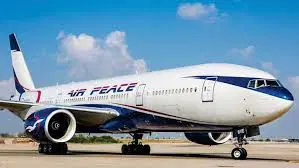
Recent reports indicate that some airlines, including Air Peace, have been unable to secure fuel supplies due to outstanding payments. Passengers scheduled to fly with Air Peace experienced extended delays and cancellations last Friday at the Nnamdi Azikiwe International Airport, with some travelers bound for Maiduguri and Asaba forced to spend the night at the airport.
The price of Jet A1 fuel has surged, currently selling for approximately N2,130 per litre in major cities like Lagos and Abuja, while prices in other regions range from N2,180 to N2,230 per litre. This rise in fuel costs, compounded by the challenges of foreign exchange rates, has put immense pressure on local airlines, many of which earn their revenue in naira while facing expenses that are dollar-denominated.
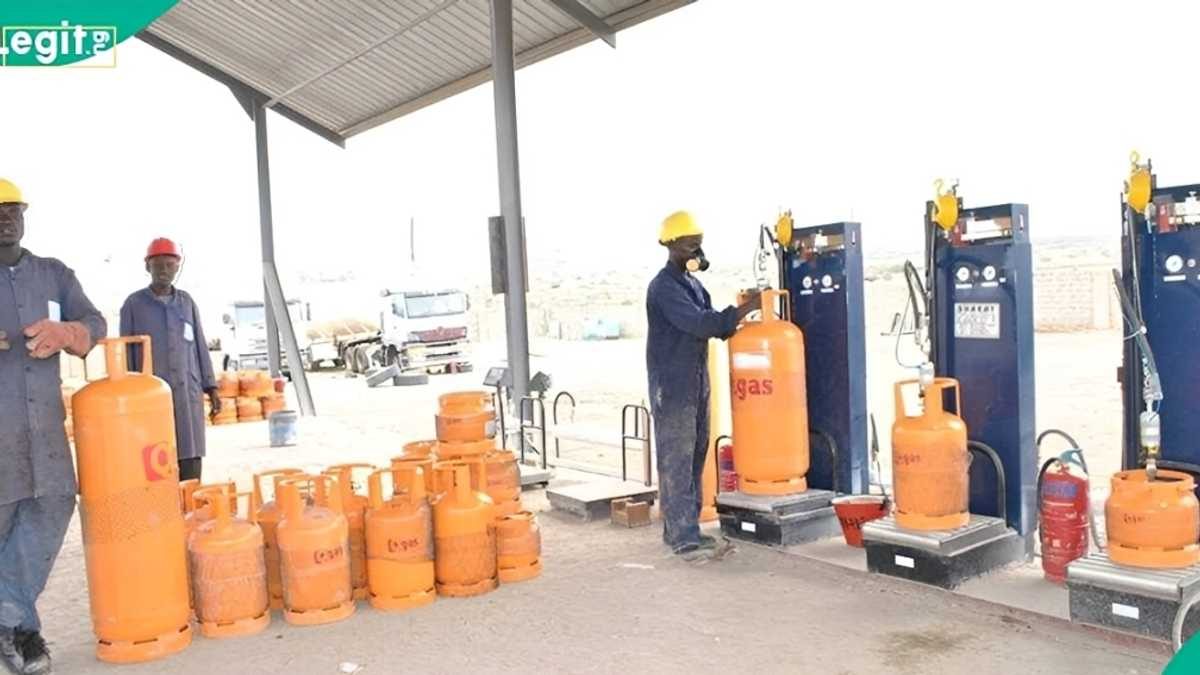
Sources within the aviation fuel market have confirmed that while Jet A1 is available, many airlines are unable to procure it due to their failure to settle existing debts. One marketer noted that some carriers owe millions of naira, which has led to a halt in fuel supplies until these obligations are cleared. "Airlines may have faced disruptions because a number of them were not supplied the product because they have refused to clear outstanding. They are owing in the millions," the source explained.
The financial strain on airlines has prompted calls for government intervention to alleviate the burden on domestic carriers. With rising operational costs, some airlines have resorted to reallocating funds from other business areas to meet their fuel obligations, raising concerns about their long-term viability.
As the situation continues to develop, industry stakeholders are urging the Federal Government to take action to support the aviation sector and prevent further disruptions that could lead to more airlines facing financial collapse. Without timely intervention, the future of air travel in Nigeria may be at risk, affecting both passengers and the broader economy.
Sources
- Legit Original article