Atiku Abubakar demands increase in Nigeria's minimum wage amid rising living costs
The former Vice President criticizes the current minimum wage, calling it inadequate for workers.


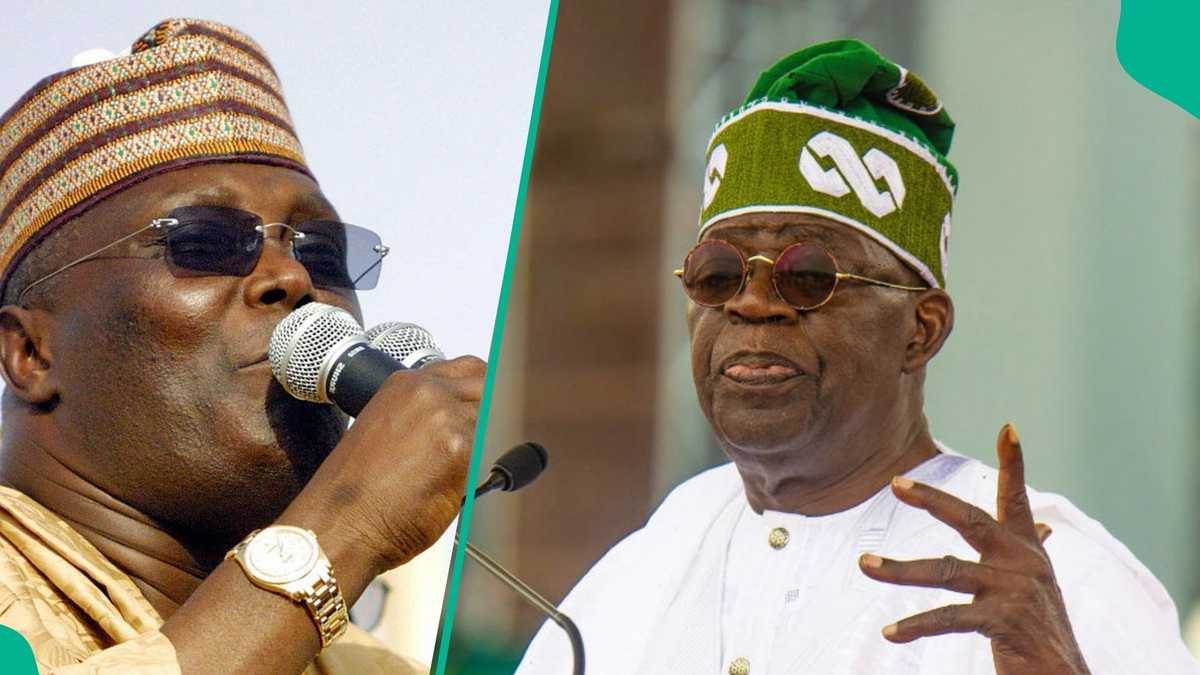
Former Vice President Atiku Abubakar has raised concerns over Nigeria's current minimum wage of N70,000, stating that it is insufficient for workers to maintain their households. He highlighted that the wage has drastically lost its purchasing power, especially following the recent removal of the petrol subsidy, which has exacerbated the cost of living in the country.
Atiku's remarks were made through Phrank Shaibu, the Director of Strategic Communications for the African Democratic Congress (ADC) Presidential Campaign Council. He emphasized that the current minimum wage can only purchase 50 litres of petrol at the prevailing price of N1,400 per litre. This starkly contrasts with the situation prior to the subsidy removal, when the previous wage of N30,000 could buy approximately 118 litres at an average price of N254.06 per litre in April 2023.
In his critique of President Bola Tinubu’s administration, Atiku stated, "The payslip has grown, but the fuel it can buy has more than halved. Tinubu has given workers a larger number and left them with a smaller life. That is hardship dressed up as a wage increase." He pointed out that the removal of the subsidy has led to a significant rise in petrol prices, which in turn affects the costs of food, transportation, and other essential goods.
Atiku further compared Nigeria's minimum wage with those of other oil-producing nations, noting that countries like Libya, Algeria, Equatorial Guinea, and Gabon offer much higher wages when converted to naira. For instance, Libya's minimum wage stands at about N213,000, while Algeria's is approximately N245,000. He argued that these comparisons illustrate the inadequacy of Nigeria's wage structure in meeting the current economic realities.
The ADC presidential candidate urged President Tinubu to approve a meaningful increase in the minimum wage that aligns with the rising costs of living, including food, transportation, rent, and electricity. He challenged the president to either commit to raising workers' pay or openly admit to having no plans for such an increase.
Atiku pledged that if elected in the upcoming 2027 elections, he would initiate an increase in the minimum wage from his first day in office. He also proposed a targeted production subsidy for domestically refined petroleum products, which would be subject to strict financial oversight.
He concluded with a strong message about the necessity of a living wage, stating, "A living wage must buy a living. It is not a privilege; it is a basic right. Tinubu has made life painfully expensive. I will make life affordable again."
Sources
- Legit Original article