Petrol Prices Surge to N1,450 per Litre Amid Calls for Economic Reform
Nigerians face rising petrol prices as costs reach N1,450 per litre, prompting economic discussions.


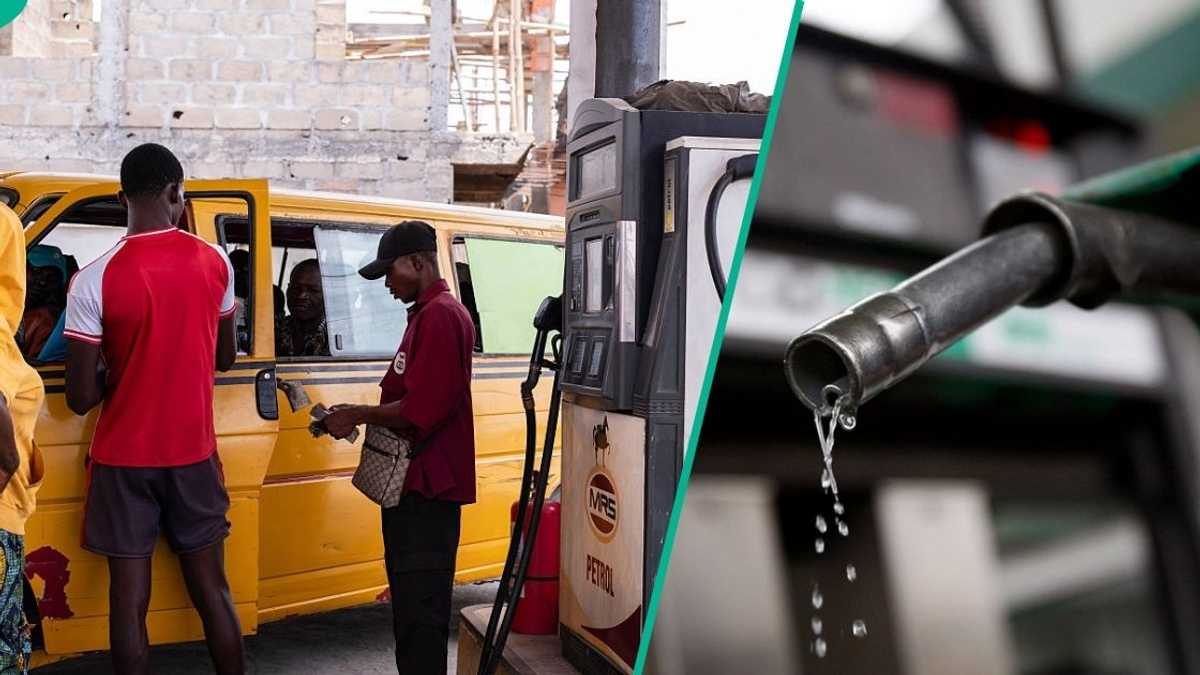
Petrol prices in Nigeria have soared to between N1,400 and N1,450 per litre, creating additional financial burdens for motorists and businesses across major cities. This significant increase follows a series of adjustments in fuel pricing, with prices reported as high as N1,450 in Abuja and ranging from N1,400 to N1,430 in Lagos. The rise in petrol costs has intensified the ongoing debate about the nation's fuel subsidy policy and its implications for the economy.
The Centre for the Promotion of Private Enterprise (CPPE) has voiced strong opposition to the reinstatement of a universal fuel subsidy, arguing that it would be fiscally irresponsible and detrimental to economic stability. Dr. Muda Yusuf, the CEO of CPPE, acknowledged the hardships that the price hikes have imposed on consumers and businesses but emphasized that reverting to the previous subsidy model is not a viable solution. Instead, he called for a focus on how the government can effectively utilize the savings generated from subsidy removal.
In a policy brief, Yusuf stated, "Restoring the pre-reform universal subsidy regime is neither fiscally sustainable nor economically prudent." He urged for a shift in the conversation towards improving the quality of public expenditure and ensuring that the financial resources freed by subsidy reforms are directed towards enhancing economic and social outcomes.
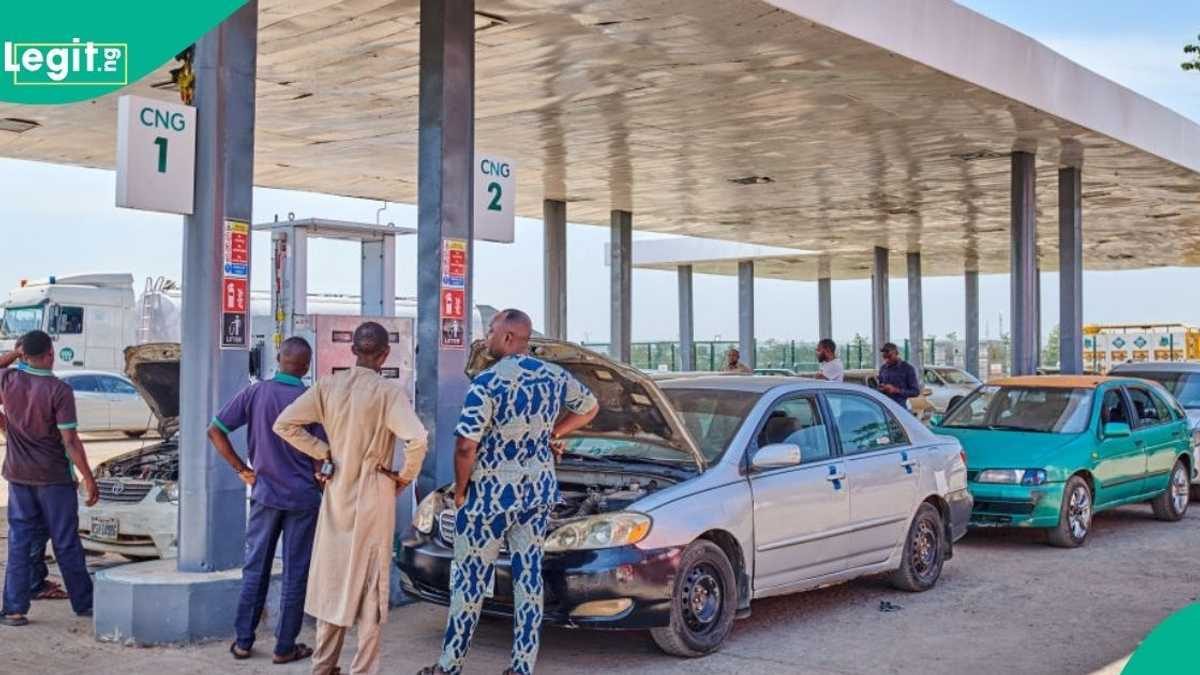
Yusuf highlighted the urgent need for investments in mass transit, rail freight, and logistics networks to reduce transportation costs. He also advocated for the accelerated rollout of alternative energy sources such as Compressed Natural Gas (CNG) and solar energy, which could help decrease the nation’s reliance on petrol.
Furthermore, he stressed the importance of bolstering food security through increased investment in irrigation, rural infrastructure, and agricultural logistics. This, he argued, would not only support domestic food production but also help mitigate inflationary pressures on consumers.
The CPPE's stance comes at a time when many Nigerians are grappling with the financial strain caused by rising fuel prices. The situation is particularly challenging for micro, small, and medium-sized enterprises (MSMEs), which are experiencing squeezed profit margins due to escalating costs in energy, transport, and financing.
Yusuf concluded by emphasizing the need for citizens to see tangible benefits from the reforms, including improvements in public transportation, electricity supply, healthcare, education, and infrastructure. He framed the long-term goal as transforming the gains from fuel subsidy reforms into structural economic improvements rather than reverting to past subsidy practices.
In related news, Dangote Petroleum Refinery has raised its petrol price three times in just nine days, reflecting the volatile nature of fuel pricing in the country. The latest adjustment brought the price of Premium Motor Spirit to N1,265 per litre, marking a cumulative increase of N100 within a short period.
As the situation unfolds, Nigerians are left to navigate the challenges posed by rising fuel costs while policymakers seek sustainable solutions to the economic implications of these changes.
Sources
- Legit Original article