Peter Obi discusses vision for Nigeria in candid interview ahead of 2027 elections
In a recent interview, Peter Obi outlined his plans for Nigeria's future and addressed historical grievances.


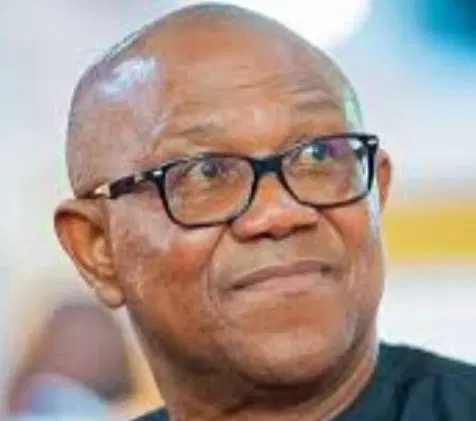
Peter Obi, the presidential candidate of the Nigeria Democratic Congress (NDC) for the upcoming 2027 elections, engaged in a thought-provoking interview with Ojy Okpe on Arise Television. The discussion covered a wide array of pressing issues facing Nigeria, including electoral integrity, leadership challenges, and the historical context of regional relations.
Obi emphasized the importance of ensuring that the votes of Nigerians are respected in the electoral process. He articulated his commitment to uphold democratic principles, stating that if he were to lose a free and fair election, he would accept the outcome gracefully. This stance reflects his focus on fostering a political culture that values transparency and accountability.
One of the more sensitive topics discussed was Obi's relationship with the northern regions of Nigeria. He acknowledged the lingering resentment stemming from the 1966 coup and the subsequent civil war, during which the Igbo were often blamed. Obi expressed a desire to bridge these historical divides, advocating for a narrative that promotes unity rather than division. He pointed to Rwanda's recovery from its own tragic past as a model for Nigeria to emulate, suggesting that it is time to move beyond historical grievances.
Obi's experience as the former governor of Anambra State was highlighted as a significant asset in his bid for the presidency. He conveyed confidence in his ability to replicate successful governance strategies on a national scale. However, he also recognized the complexities of leading a diverse nation like Nigeria, which is home to over 250 ethnic groups, each with its own interests and challenges.
A critical issue Obi addressed was the pervasive corruption that has hindered Nigeria's progress. He acknowledged that combating corruption would be one of his administration's most formidable challenges, requiring not only courage but also the support of robust institutions and political allies committed to genuine governance. He underscored the need for a collective effort to confront corruption at all levels, from politicians to civil servants.
Obi's interview also touched on the need for institutional reform, particularly in the judiciary and civil service. He posed important questions about how to tackle inefficiencies and bureaucratic obstacles that have historically impeded governance. These issues are not merely theoretical; they represent the real challenges that any future president will face in implementing effective policies.
Despite the daunting landscape, Obi's vision for a new Nigeria is one filled with hope. He called for a national dialogue that transcends ethnic and religious divides, advocating for a leadership approach that prioritizes justice and accountability. He believes that the path to a better Nigeria requires not just a capable president but also an engaged citizenry willing to demand change.
As the 2027 elections approach, the question remains whether Nigerians are ready to support Obi on this challenging journey toward reform. The road ahead is fraught with obstacles, but with commitment and collective action, the vision of a new Nigeria may yet become a reality.
Sources
- Vanguard News Original article