ASUU threatens renewed strike over unpaid salaries and implementation issues
The Academic Staff Union of Universities warns of potential industrial action due to unresolved salary issues and agreement breaches.


The Academic Staff Union of Universities (ASUU) has issued a stern warning that it may resume its suspended nationwide strike if the Federal Government and various state governments do not address ongoing issues related to the implementation of the 2025 FGN-ASUU Agreement. This development comes just nine months after the agreement was signed, which was initially celebrated as a significant step towards ending years of industrial disputes in Nigeria's public universities.
During an emergency National Executive Council (NEC) meeting held on September 5, ASUU leadership expressed frustration over the government's failure to fully implement the agreement. Key grievances include the withholding of three-and-a-half months’ salaries owed to lecturers and the non-remittance of billions of naira in deductions from their salaries. ASUU President, Professor Chris Piwuna, emphasized that the union is prepared to reactivate its strike action "without any further notice" if these issues are not resolved promptly.
The 2025 agreement, signed on December 23, 2025, replaced a previous agreement from 2009 that had been due for renegotiation since 2012. The renegotiation process began in 2017 and involved multiple committees, culminating in the Yayale Ahmed-led committee's recommendations. The agreement includes significant provisions such as a 40 percent review of academic staff remuneration, new allowances, and commitments to enhance university governance and welfare.
Despite the optimism surrounding the agreement, ASUU has pointed out that its implementation has been inconsistent, particularly in state-owned universities. While some states like Abia have begun to adopt the agreement, others, including Kano, Edo, and Plateau, have only pledged to start implementation in the coming months. Piwuna warned that states delaying the implementation risk facing industrial crises within their universities.
A critical issue at the forefront of the current dispute is the outstanding salary payments. Although the administration of President Bola Tinubu has settled four of the seven-and-a-half months owed from the previous administration, ASUU highlights that over half of the remaining balance remains unpaid. The value of these unpaid salaries has significantly diminished due to inflation and currency devaluation since 2022.
In addition to salary concerns, ASUU is demanding the remittance of pension contributions, cooperative deductions, and union check-off dues, which have reportedly accumulated into billions and have not been remitted for months. This financial strain has been exacerbated by the union's opposition to the Integrated Payroll and Personnel Information System (IPPIS).
The situation has already led to industrial actions at some state universities, notably at Nasarawa State University, where ASUU has been on strike since August 10. The local chapter has outlined significant arrears owed by the state government, totaling billions in various allowances and salary increments.
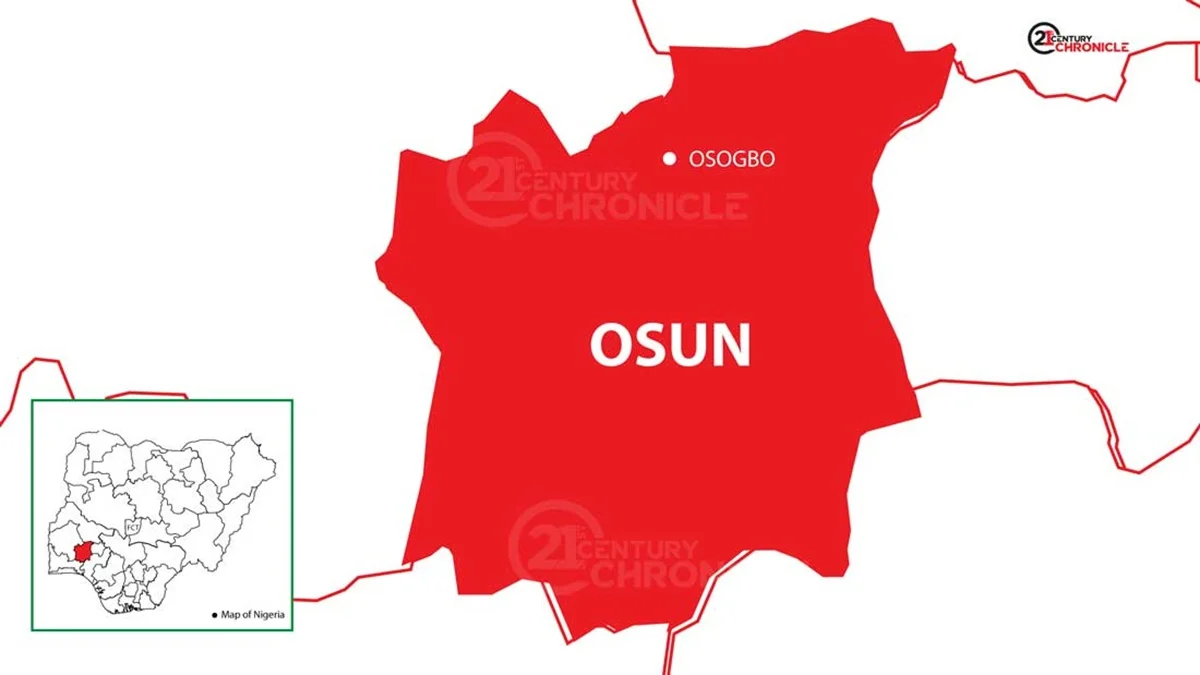
Moreover, ASUU has raised governance issues, particularly opposing the extension of the tenure of the vice-chancellor at Osun State University, Professor Clement Adebooye, by Governor Ademola Adeleke. The union has linked the current crisis to broader economic challenges, supporting calls for a review of the national minimum wage to align it with inflation rates, as advocated by the Nigeria Labour Congress (NLC) president, Joe Ajaero.
Sources
- tribuneonlineng Original article