Federal Government pledges to combat illiteracy on International Literacy Day
On International Literacy Day, Nigeria's government announces initiatives to enhance literacy among youth and adults.


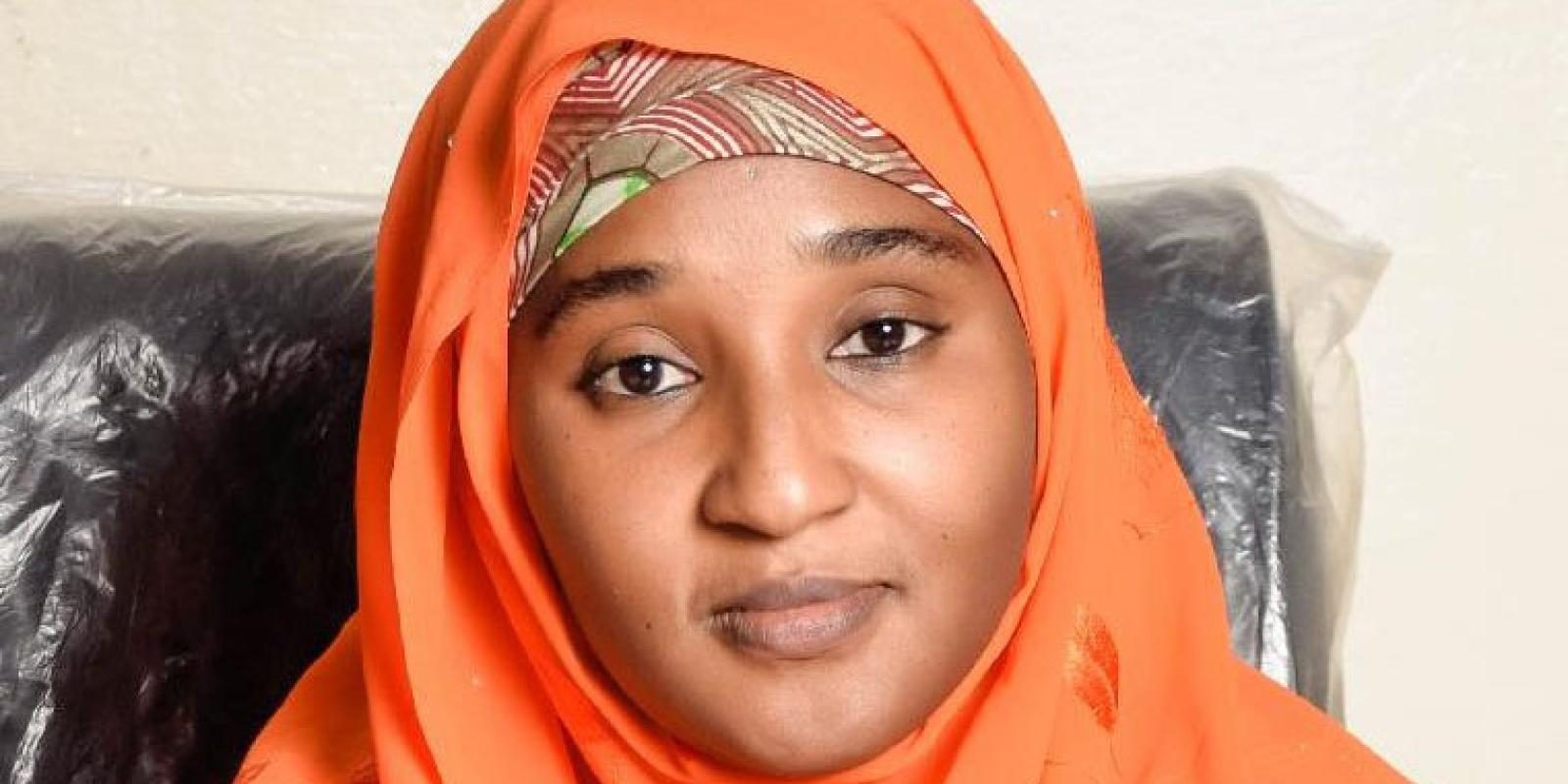
In a significant move to address the issue of illiteracy in Nigeria, the Federal Government has reaffirmed its commitment to eradicating both youth and adult illiteracy. This announcement was made by the Minister of State for Education, Prof. Suwaiba Said Ahmad, during a ministerial press briefing held in Abuja to mark the 2026 International Literacy Day.
The theme for this year's observance, "Literacy for People, Planet and Prosperity," highlights the vital role literacy plays in fostering human development, environmental sustainability, and economic growth. Prof. Ahmad emphasized that the government aims to expand literacy programs across the nation, particularly focusing on underserved communities. She noted that the National Commission for Mass Literacy, Adult and Non-Formal Education (NMEC) is being repositioned to effectively spearhead this national literacy campaign.
To strengthen NMEC's operational capacity, the government is addressing several longstanding challenges, including infrastructure deficits and the sustainability of literacy programs. As part of these efforts, facilities at the National Centre for Adult Education in Kano are undergoing rehabilitation, and new infrastructure is being developed in various regions of the country. Ahmad revealed that learning centers are being activated nationwide, with NMEC personnel serving as facilitators to ensure the continuity and sustainability of these initiatives.
A critical aspect of the government's strategy involves resolving the issue of stipends for literacy facilitators, which is essential for the sustainability of adult and non-formal education programs. Ahmad pointed out that literacy now extends beyond the basic ability to read and write, serving as a foundation for human dignity, sustainable development, and shared prosperity. She explained that functional literacy equips citizens with the necessary skills to engage in economic activities, acquire vocational and entrepreneurial skills, and adapt to digital technologies, thereby improving their livelihoods.
The Minister of State acknowledged that the challenge of literacy cannot be tackled by the Federal Government alone. She called for enhanced collaboration among state and local governments, development partners, civil society organizations, traditional and religious institutions, the private sector, community leaders, and the media. Ahmad reiterated Nigeria's commitment to working alongside UNESCO and other development partners to foster a literate, sustainable, and prosperous society.
In support of these initiatives, Mr. Oladeji Adeyemi, the UNESCO Representative and Head of the Education Sector at the UNESCO Abuja Office, commended Nigeria's efforts in closing the literacy gap. He highlighted the global urgency of addressing illiteracy, noting that approximately 739 million adults worldwide still lack basic literacy skills. Despite this challenge, he pointed out that there has been significant progress, with over 88 percent of the global adult population now able to read and write, compared to about 65 percent a decade ago.
Adeyemi emphasized that literacy is not merely an isolated skill but a fundamental component of health, well-being, dignity, and lifelong learning, aligning with Sustainable Development Goal 4. He reaffirmed UNESCO's commitment to collaborating with Nigeria and other stakeholders to promote a literate and sustainable future, particularly for vulnerable populations, including children and young people in crisis-affected areas.
Sources
- tribuneonlineng Original article