Only 3% of Primary Healthcare Centres Meet Staffing Standards in Nigeria
A recent report reveals alarming deficiencies in Nigeria's primary healthcare centres, with only 3% meeting staffing requirements.


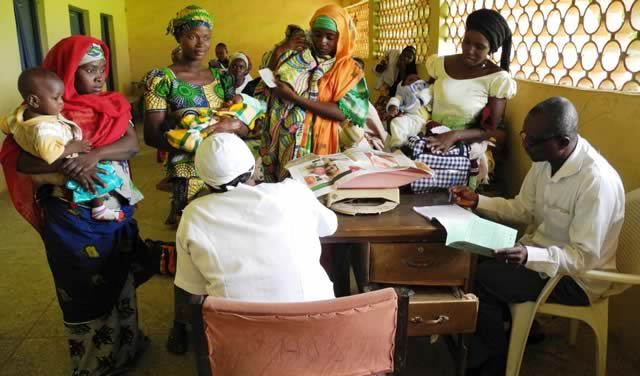
A recent assessment has highlighted a critical shortfall in the staffing of primary healthcare centres (PHCs) across Nigeria, revealing that only 3% of the facilities evaluated met the national minimum staffing standards. This alarming statistic comes from the PHC Operational Capability Report, produced by Orodata Science and Civic Tech, which was released on September 14, 2026.
The assessment covered 1,480 PHCs across 16 states, focusing on 277 local government areas throughout the country’s six geopolitical zones. Conducted between October 2023 and June 2025, the evaluation utilized the CheckMyPHC Digital Scorecard to assess various factors, including staffing levels, infrastructure, equipment availability, electricity supply, water access, and overall facility accessibility.
According to Mr. John Eromosele, Operations Lead at Orodata Science, the findings are concerning, particularly as 11 of the 16 states assessed had no PHCs that met the necessary staffing requirements. The report indicated that approximately 75% of the surveyed facilities were situated in rural areas, where healthcare access is already limited.
The infrastructure of many PHCs is also in dire condition, with 40% of the facilities reporting issues such as broken ceilings or leaking roofs. Furthermore, 38% of these centres operated without electricity, and 39% relied on unsafe water sources, compounding the challenges faced by healthcare workers and patients alike.
Maternal and newborn healthcare services are particularly affected, with 75% of the facilities lacking essential neonatal resuscitation equipment, which is crucial for handling complications during childbirth. The report also noted that 66% of the centres did not have provisions for persons with disabilities, highlighting significant accessibility barriers.
The interconnected nature of these deficiencies poses significant risks for patients and places additional strain on the already limited healthcare workforce. Community feedback indicated that 51% of respondents rated the services at their local PHCs as poor, reflecting widespread dissatisfaction with the current state of healthcare delivery.
The report identified specific states, such as Kano and Sokoto, as experiencing particularly severe shortages in safe water, reliable electricity, and essential newborn equipment. Gombe was noted for having an 80% rate of PHCs lacking accessibility provisions, underscoring the urgent need for targeted interventions.
To address these pressing issues, Orodata recommended a comprehensive approach that goes beyond isolated renovation projects. The organization urged state governments to develop clear intervention plans that identify affected facilities, outline specific problems, and allocate necessary resources for implementation. Regular monitoring and evaluation, along with community feedback, were emphasized as vital components of any successful strategy.
The report also called for immediate repairs to damaged infrastructure, improved access to safe water, and enhanced electricity supply, including the adoption of solar or hybrid power systems for facilities without reliable electricity. Additionally, it urged the National Primary Health Care Development Agency and state agencies to tackle the shortage of frontline health workers through recruitment and retention strategies, particularly in underserved areas.
Ultimately, the report stresses that investment decisions in healthcare should be based on verified needs rather than assumptions, with progress measured by the safety, staffing, functionality, and community trust in PHCs.
Sources
- Punch Newspapers Original article