Minister warns against restoring fuel subsidy, cites economic risks for Nigeria
The Minister of Information cautions that reinstating petrol subsidy could reverse economic gains and worsen fiscal pressures.


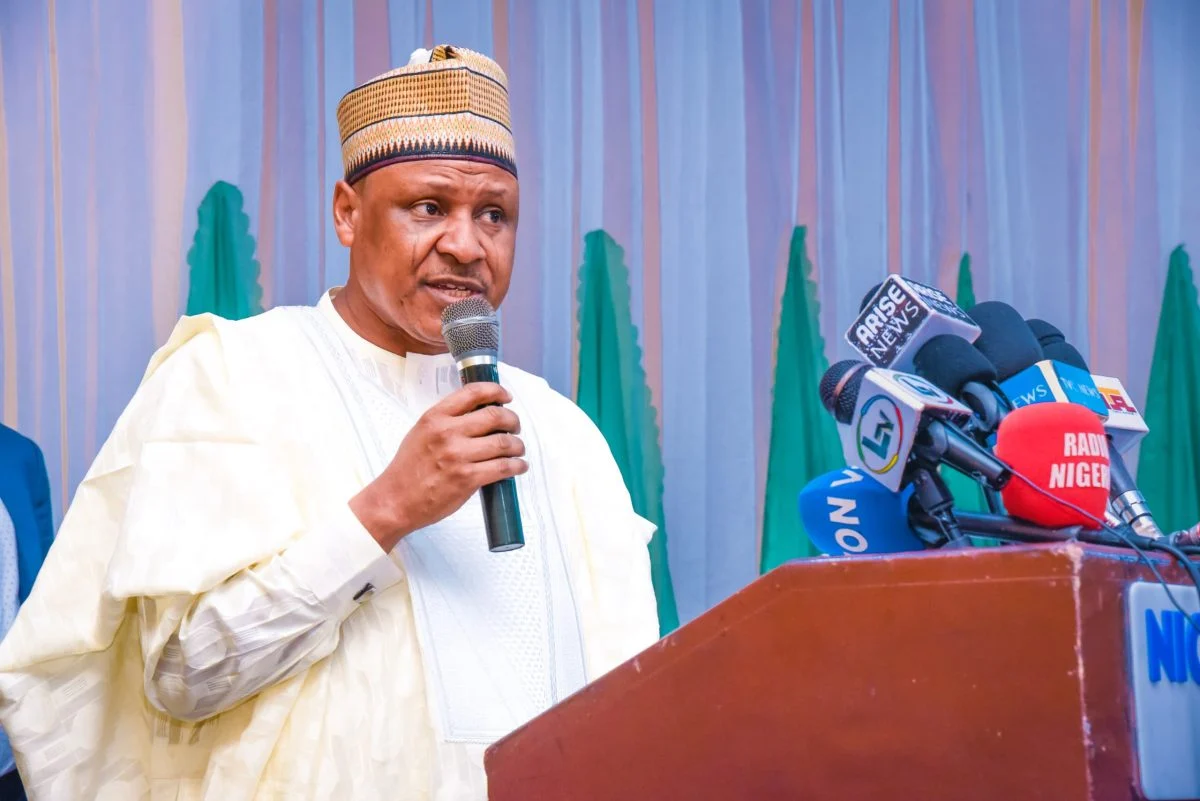
The Nigerian government has issued a stern warning against any move to reinstate the petrol subsidy, cautioning that such a decision could jeopardize the economic progress made in recent years. Mohammed Idris, the Minister of Information and National Orientation, articulated these concerns in an op-ed published on August 24, 2026, emphasizing the potential negative consequences of reverting to the old subsidy system.
Idris highlighted that reinstating the subsidy would not only reverse the economic gains achieved since its removal but also weaken investor confidence and exacerbate financial pressures on the country. He pointed out that the previous subsidy regime led to significant economic challenges, including fiscal pressures, fuel scarcity, market distortions, and incentives for arbitrage. "Restoring subsidy would almost instantly return Nigeria to the economic conditions of 2022," he stated, underscoring the unsustainability of the old system.
The minister urged Nigerians to weigh the implications of redirecting scarce public resources towards petrol subsidies against other critical areas such as education, healthcare, and infrastructure. He posed several rhetorical questions to provoke thought among citizens: "Do we restore petrol subsidy, or sustain student loans and consumer credit for young Nigerians? Do we restore subsidy, or preserve higher allocations to states and local governments?" Idris emphasized that the choice to restore the subsidy could come at the expense of funding essential services and social protection programs for vulnerable populations.
In his op-ed, Idris recalled that Nigeria spent approximately $10 billion on fuel subsidies in 2022, a period marked by declining oil production and strained government revenues. He referenced warnings from the World Bank, which indicated that the subsidy consumed resources that could be better allocated to critical sectors such as education and healthcare.
According to the Federal Government's recently released "Nigeria’s Reform Scorecard," the removal of the subsidy has freed up N15.8 trillion in resources for the Federation between June 2023 and December 2025. Idris noted that this amount was not a separate cash pool but rather resources released within the broader fiscal system, benefiting both state and local governments in meeting salary obligations and investing in essential services.
Furthermore, the minister reported that the scorecard indicated approximately N6.47 trillion in additional spending on strategic infrastructure and over ₦400 billion committed to social investment initiatives, including the Nigeria Education Loan Fund and other programs aimed at supporting millions of households.
Despite these fiscal gains, Idris pointed out that the Federal Government continues to shoulder a significant electricity subsidy, estimated at N3.14 trillion during the same period. He warned that restoring the petrol subsidy would place an additional burden on an already strained public finance system.
The minister's remarks come in the wake of renewed calls from various groups advocating for the restoration of the petrol subsidy, citing concerns over high fuel prices and the rising cost of living. However, Idris firmly maintained that returning to the previous subsidy regime would undermine the fiscal gains achieved since its removal and expose Nigeria to the same structural issues that rendered the subsidy unsustainable in the past. He concluded by urging Nigerians to consider the long-term economic stability of the country, advocating for sustained policies that promote a stronger and more productive economy.
Sources
- tribuneonlineng Original article