Atiku criticizes Tinubu's fuel subsidy policy as reverse Robin Hood economics
Atiku Abubakar accuses President Tinubu of benefiting the wealthy at the expense of the poor.


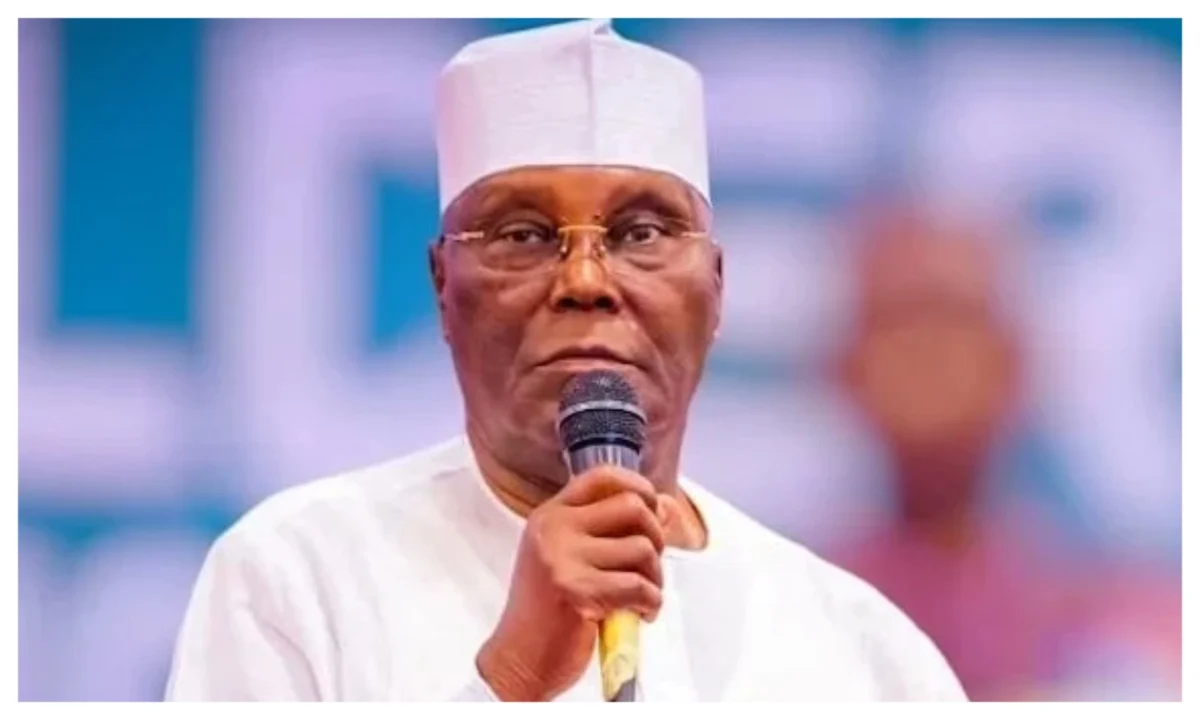
Former Vice President Atiku Abubakar has launched a scathing critique of President Bola Tinubu's fuel subsidy policy, accusing him of engaging in what he describes as "reverse Robin Hood economics." Atiku's remarks were conveyed through his Senior Special Assistant on Public Communication, Phrank Shaibu, during a response to a recent column that discussed the contentious issue of petrol subsidy removal in Nigeria.
Atiku's comments come in the wake of ongoing debates surrounding the removal of fuel subsidies, a policy shift that Tinubu announced during his inauguration in 2023. The former vice president has expressed his intention to reinstate the subsidy if he wins the presidential election in 2027, a move that has sparked significant controversy.
Shaibu emphasized that Tinubu has not eliminated the subsidy entirely but has instead altered its beneficiaries. He stated, "He took it from the petrol tanks of struggling Nigerians and repackaged it as waivers and incentives for his big oil friends." This assertion highlights Atiku's belief that the current administration is prioritizing the interests of wealthy individuals over the needs of ordinary citizens.
In his response, Shaibu also addressed criticisms of Atiku's proposed subsidy model, clarifying that it is not an open-ended subsidy on imported petrol. Instead, he described Atiku's plan as a "targeted, capped, budgeted and independently audited production support" designed to provide relief to consumers while ensuring accountability.
The ongoing clash between Atiku and Tinubu's camps reflects a broader national discourse on economic policies and their impact on the populace. Atiku's camp argues that the current administration's approach disproportionately favors the affluent, while neglecting the struggles of the average Nigerian.
As the political landscape continues to evolve, the debate over fuel subsidy policies is likely to remain a focal point in the lead-up to the 2027 elections, with both sides vying to present their visions for Nigeria's economic future.
Sources
- DailyPost Original article