2027 Elections: Coalition Dynamics May Define Nigeria's Presidential Race
As Nigeria approaches the 2027 elections, coalition-building is taking precedence over traditional party politics.


As the 2027 general elections in Nigeria draw nearer, the political landscape is shifting significantly, with coalition-building emerging as a critical factor in determining the next president. Opposition leaders are actively engaging in discussions to support a single candidate, a strategy that underscores the need for unity among fragmented parties.
The G-100 coalition, comprising influential political figures, has been advocating for a united front among opposition parties. This coalition believes that a divided opposition cannot effectively challenge the ruling party. Meanwhile, Nyesom Wike, the Federal Capital Territory Minister, has been vocal about his intent to form a broad political coalition to support President Bola Tinubu's re-election campaign. His approach highlights the growing importance of political alliances over traditional party affiliations.
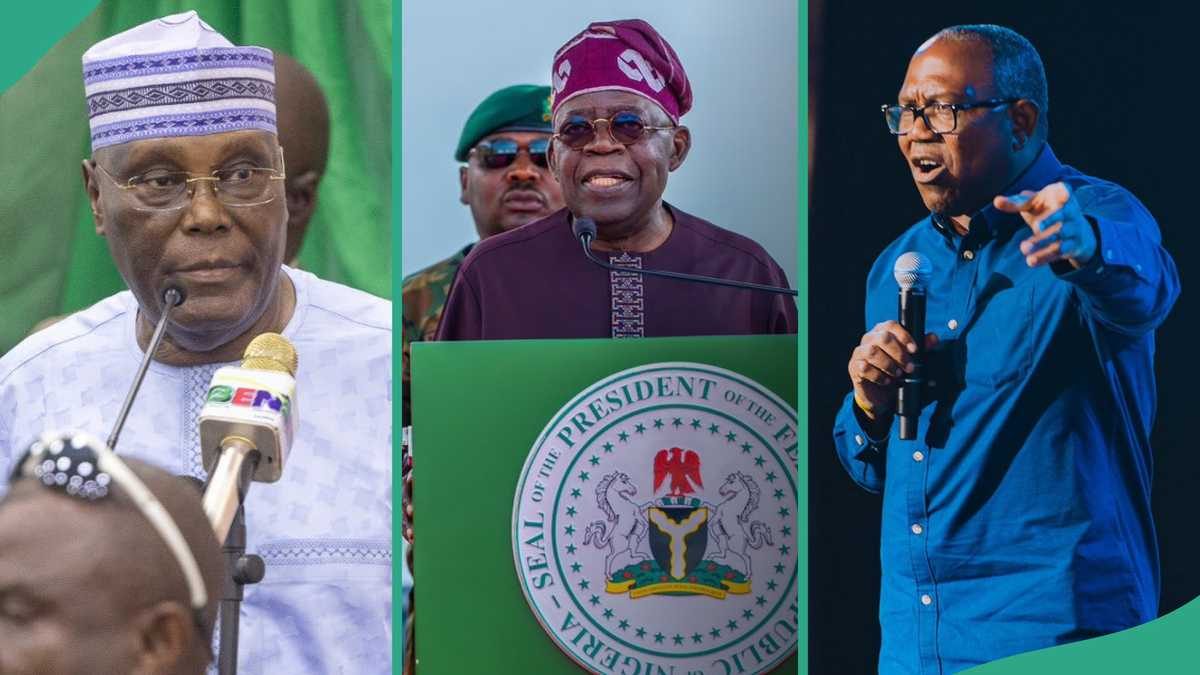
Currently, the presidential race features President Bola Tinubu of the All Progressives Congress (APC), former Vice President Atiku Abubakar representing the African Democratic Congress (ADC), and Peter Obi from the Nigeria Democratic Congress (NDC). Analysts suggest that the candidate who can forge the most effective political alliance will likely gain a decisive advantage in the upcoming elections.
This shift in strategy marks a significant departure from past electoral practices in Nigeria, where party loyalty and affiliation were paramount. The current political climate indicates that personal connections, regional influence, and cross-party collaborations may outweigh the importance of party labels. This evolution could lead to a scenario where voters are faced with choosing between large, multi-interest coalitions rather than traditional party candidates.
The implications of this trend are profound. If the opposition succeeds in presenting a unified candidate, it could galvanize support from various factions dissatisfied with the current administration. Conversely, the ruling APC's efforts to build a broad coalition under Tinubu's leadership reflect an acknowledgment of the need for a robust political framework to secure electoral victory.
Moreover, recent developments within the political sphere, such as Senator Saliu Mustapha's switch from the APC to the PDP, signal ongoing realignments that could further influence the electoral landscape. Mustapha's move, which pits him against Kwara Governor AbdulRahman AbdulRazaq in the upcoming elections, exemplifies the fluidity of party affiliations as politicians seek strategic advantages.
As Nigeria inches closer to the 2027 elections, the focus on coalition dynamics suggests that the race will not merely be about party loyalty but rather the ability to negotiate and unite diverse political interests. This could redefine how electoral politics are conducted in the country, placing greater emphasis on coalition-building and the strategic alignment of political forces.
Sources
- Legit Original article