APC Chieftain Challenges Atiku on Funding for Proposed Petrol Subsidy Restoration
Alhaji Faizu Alfindiki questions Atiku Abubakar's plan for petrol subsidy funding ahead of 2027 elections.


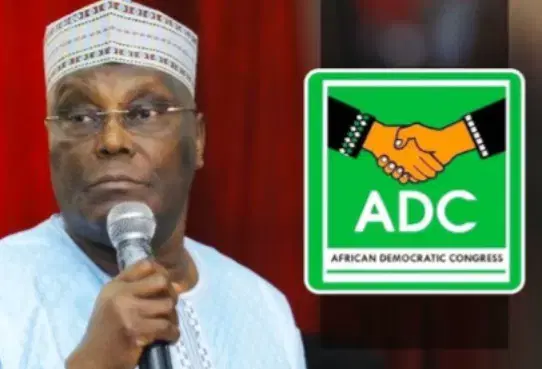
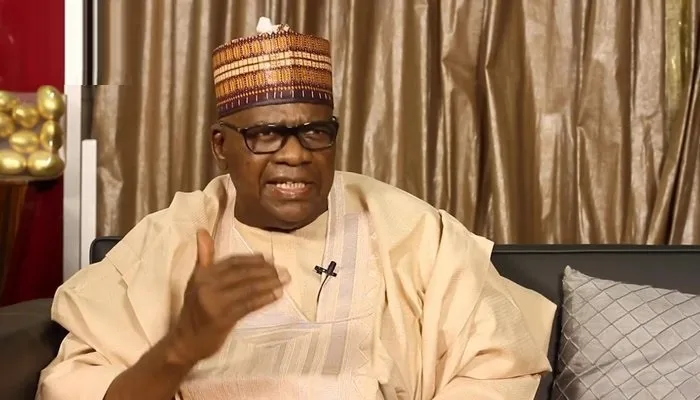
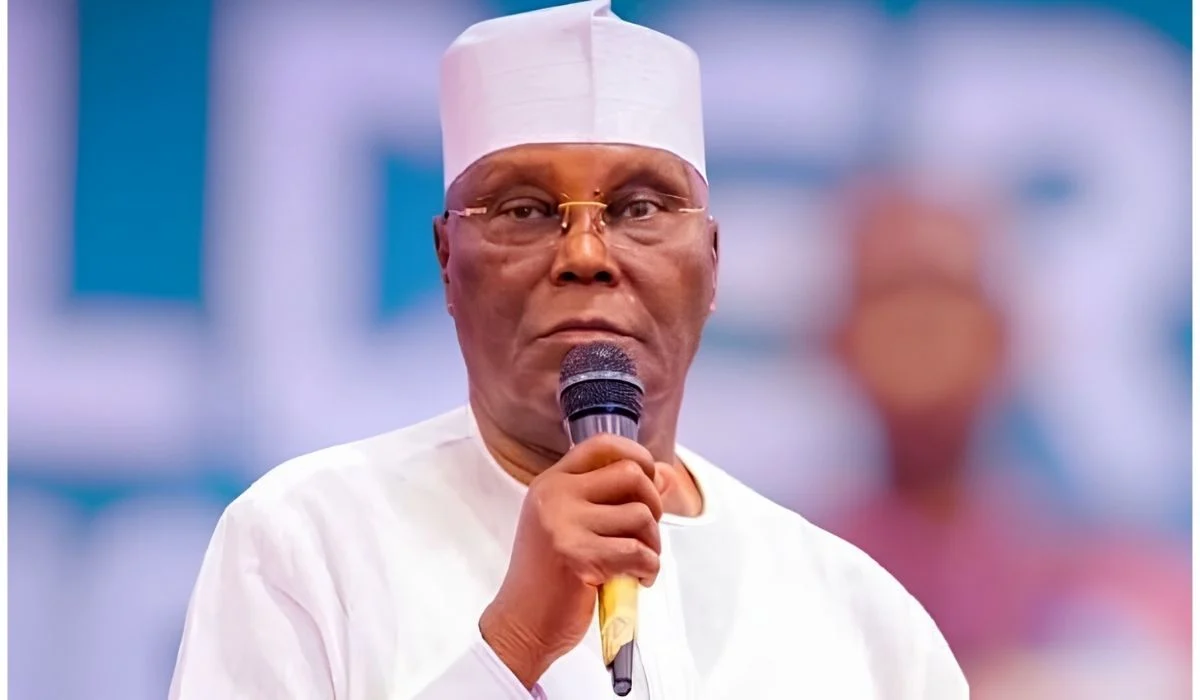
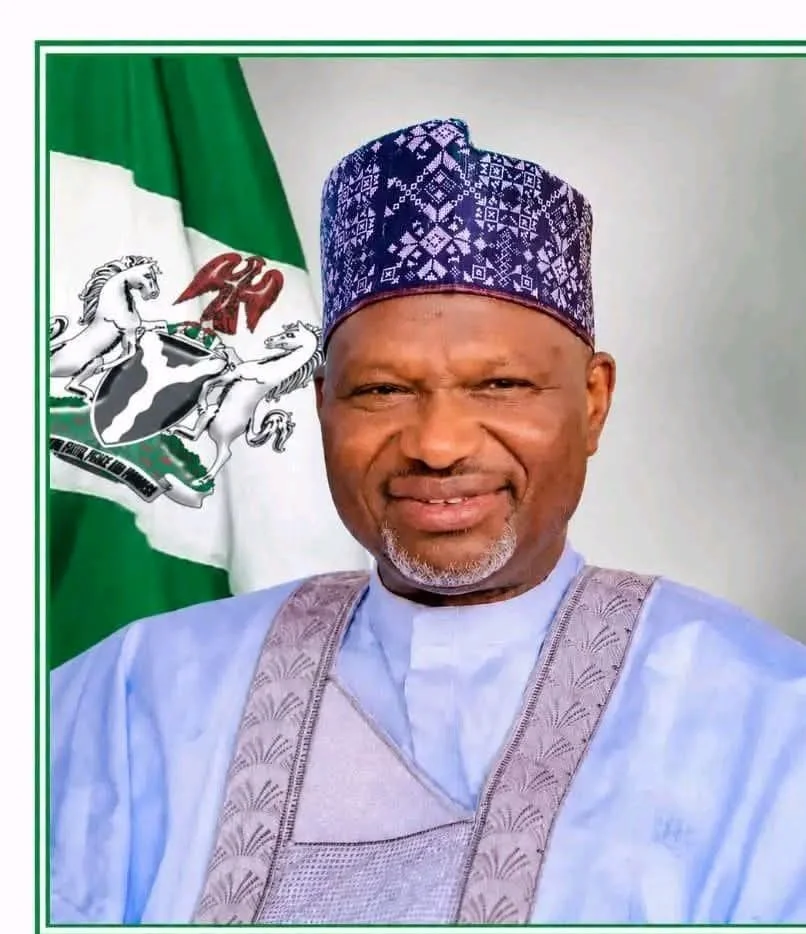
Alhaji Faizu Alfindiki, a prominent member of the All Progressives Congress (APC), has called on former Vice President Atiku Abubakar to clarify how he intends to finance his promise to restore the petrol subsidy if he wins the presidential election in 2027. Alfindiki expressed his concerns during a statement made in Kano, emphasizing the need for transparency in government financial management.
Atiku's recent commitment to reintroduce the petrol subsidy has raised eyebrows, with Alfindiki arguing that the Nigerian populace deserves a detailed explanation of the funding mechanisms behind such a significant policy change. He highlighted the previous subsidy regime's impact on public finances and the distortions it caused in the petroleum market, stating that simply reinstating the subsidy would not address the underlying economic issues.
"It is legitimate to question how government revenues are being managed, but it is equally important to acknowledge the economic consequences of returning to a subsidy regime," Alfindiki remarked. He insisted that sustainable solutions must be prioritized over policies that merely aim to sway public opinion.
The APC chieftain also pointed out a notable inconsistency in Atiku's stance on the subsidy. During the 2023 presidential campaign, Atiku had advocated for the removal of the petrol subsidy within his first 100 days in office, a move he deemed necessary despite its challenging implications. Alfindiki questioned what had led to Atiku's shift in position, urging the public to seek clarity on the matter.
"Today, Atiku is presenting subsidy restoration as a solution, whereas his position before the 2023 election was that subsidy should be removed. Nigerians are entitled to ask what has changed and why," he stated.
In his remarks, Alfindiki urged political leaders to transcend the debate over the existence of the subsidy and instead focus on creating an economy that can make fuel more affordable through local refining, improved infrastructure, and increased investments.
He acknowledged the short-term difficulties stemming from President Bola Tinubu's economic reforms but noted that there have been signs of improvement in public finances and investment conditions. Alfindiki maintained that while accountability for the use of savings from subsidy removal is crucial, it should not lead to a return to an unsustainable subsidy system.
"President Tinubu should be held accountable for how the savings and additional revenues are used. That accountability is important. But accountability should not be confused with returning Nigeria to a system that was financially unsustainable," he concluded.
Sources
- Vanguard News Original article