NLC Faces Internal Turmoil Over Political Affiliations Ahead of 2027 Elections
A directive from the NLC's national secretariat has sparked tensions within the organization, particularly involving Lagos State Chairman Agnes Sessi.


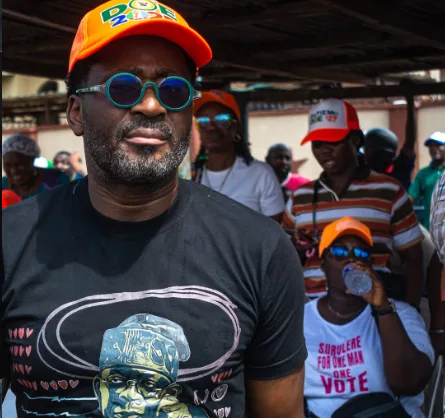
The Nigeria Labour Congress (NLC) is experiencing significant internal strife following a directive from its national secretariat that instructs affiliate unions and their officials to distance themselves from the Working People United (WoPU), a group advocating for the re-election of President Bola Tinubu in 2027. This directive has ignited tensions, particularly after the Lagos State Council Chairman, Agnes Sessi, participated in WoPU's activities, defying the national leadership's orders.
Sessi, who also serves as the Lagos State Coordinator for WoPU, faced scrutiny from the NLC's national body after her involvement in the group's events on August 11, 2026. A memo signed by the NLC Deputy General Secretary, Benson Upah, accused her of violating directives and failing to consult with the congress leadership regarding her association with WoPU. The memo expressed concerns about her commitment to her role as Chairperson of the Lagos State Council, stating that her actions appeared to undermine the authority of the NLC.
The memo highlighted that Sessi's participation in WoPU's activities was not only a breach of her oath of office but also a potential betrayal of the established rules and regulations of the NLC. The national leadership's move has sparked a broader debate within the labour movement regarding the extent of the NLC's authority to regulate the political activities of its officials, especially as the political landscape heats up ahead of the 2027 elections.
In response to the NLC's directive, Williams Akporeha, the national leader of WoPU and former President of the Nigeria Union of Petroleum and Natural Gas Workers, criticized the NLC's stance. He argued that the directive infringes on the constitutional rights of workers to freely associate and participate in political groups of their choosing. Akporeha emphasized that the NLC's attempt to dictate political affiliations contradicts Section 40 of the 1999 Constitution, which guarantees the right to peaceful assembly and freedom of association.
He expressed concern that the NLC was overstepping its mandate by attempting to compel workers to support the Labour Party and its candidates in the upcoming elections. Akporeha accused NLC President Joe Ajaero of trying to impose a political agenda on the organization, which he claims undermines the NLC's primary role of protecting workers' welfare.
The dispute has raised critical questions about the balance between the NLC's institutional responsibilities and the individual political choices of its members. As political alignments shift in anticipation of the 2027 elections, the outcome of the NLC's query to Sessi could either resolve the matter internally or escalate tensions between the national secretariat and labour officials aligned with different political factions.
With the NLC historically playing a vital role in workers' rights and national policy discussions, this internal conflict highlights the growing complexity of political affiliations within the labor movement. The ongoing debate will likely shape the NLC's future direction and its relationship with various political entities as the nation approaches the next election cycle.
Sources
- Punch Newspapers Original article