INEC releases final candidate list for 2027 Senate elections, banks close 476 branches
The Independent National Electoral Commission has unveiled the final list of candidates for the upcoming Senate elections, while the Central Bank reports significant branch closures by banks.


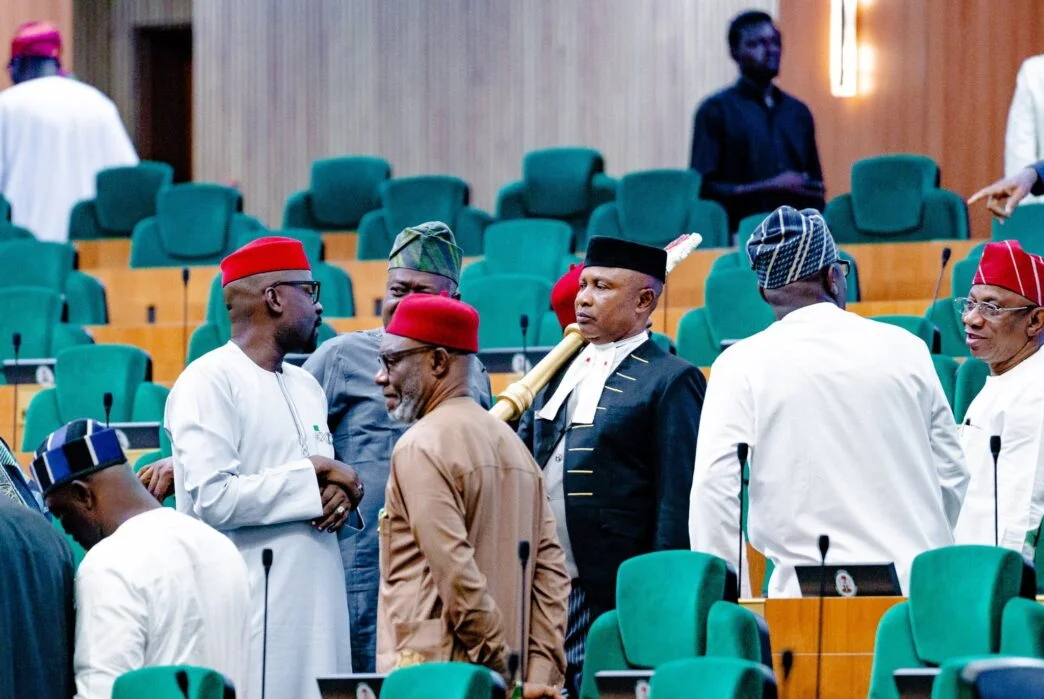
The Independent National Electoral Commission (INEC) has officially released the final list of candidates vying for the 109 senatorial seats in the upcoming 2027 general elections. This announcement marks a pivotal moment in Nigeria's political landscape as parties and their candidates gear up for a competitive race ahead of the elections scheduled for February 2027.
With the publication of the candidate list, political parties now have a clearer understanding of their opponents, setting the stage for intense campaigning and strategic maneuvering. The stakes are high, as these senatorial seats play a crucial role in shaping legislative decisions and policies that will impact the nation.
In a separate development, the Central Bank of Nigeria (CBN) has reported a significant reduction in the number of bank branches and cash centres across the country. Between 2022 and 2025, Nigerian banks closed a total of 476 branches, resulting in an 8.8% decline in their physical presence. The total number of bank branches and cash centres decreased from 5,410 in 2022 to 4,934 in 2025. This trend reflects ongoing challenges in the banking sector, including the shift towards digital banking and changing consumer behaviors.
The closures of these branches may raise concerns about accessibility to banking services, particularly in rural areas where physical bank locations are vital for customers. The CBN's findings, published in its 2025 Statistical Bulletin for the Financial Sector, highlight the evolving landscape of banking in Nigeria as institutions adapt to technological advancements and economic pressures.
As the political scene heats up with the approaching elections, the implications of these branch closures could further influence the economic climate, particularly as candidates seek to address financial issues during their campaigns. The intertwining of political and economic developments underscores the importance of monitoring these changes as Nigeria approaches a critical election year.
Sources
- Punch Newspapers Original article