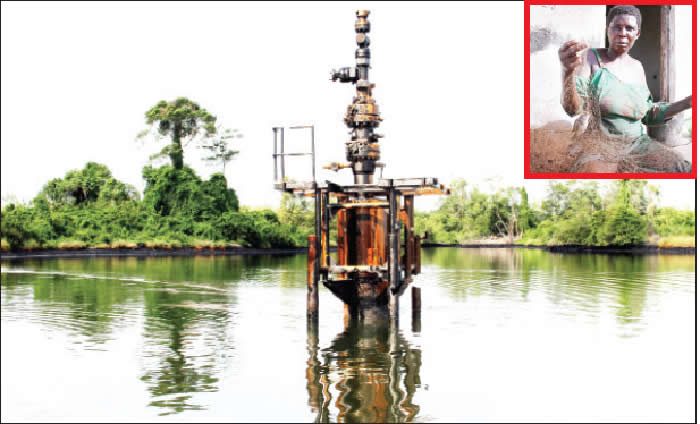
Odidi Oil Spill Devastates 216 Communities Amidst Blame Game Over Causes
The ongoing oil spill in Odidi has left over 216 communities suffering from environmental devastation and health hazards, with conflicting narratives on its causes.



An oil spill in Odidi, Delta State, has wreaked havoc on over 216 communities for the past seven months, leaving residents grappling with contaminated water, dead fisheries, and a lack of medical assistance. The Trans-Forcados Pipeline, which has been leaking since February 19, 2026, is at the center of a fierce debate over the causes of the disaster, with accusations of negligence and illegal activities complicating the situation.
The spill, initially identified as a single rupture, has transformed into a widespread environmental crisis. Community leaders, including Comrade Justin Gbenekama, Chairman of the Odidi Federated Community, have expressed outrage over the lack of effective containment measures by Heritage Energy Operational Services Limited (HEOSL). Gbenekama stated, "As we speak, the operator has not done anything properly to contain the spill," highlighting the ineffective recovery efforts that merely transport the spilled oil back into the pipeline, allowing it to leak again.
The National Oil Spill Detection and Response Agency (NOSDRA) conducted a Joint Investigation Visit (JIV) in February, attributing the spill to corrosion and equipment failure, dismissing sabotage claims. However, local voices argue that the situation is exacerbated by illegal bunkering activities that have plagued the region for decades. According to Zik Gbemre, Coordinator of the Niger Delta Peace Coalition, the ongoing degradation is largely self-inflicted due to repeated hot-tapping on the pipeline, which compromises its integrity.
The community's plight is dire. Residents report that drinking water is now contaminated with hydrocarbons, and both fishing and farming activities have come to a standstill. Gbenekama emphasized the urgent need for action, demanding the immediate shutdown of the Trans-Forcados Pipeline for comprehensive repairs, as mandated by a Federal High Court ruling.
The Ijaw Youth Council (IYC) has also voiced its frustration, threatening to shut down operations at critical oil fields and terminals unless immediate action is taken. Dr. Doubra Collins Okotete, IYC President, condemned Heritage's response, labeling it as heartless and wicked. He firmly stated, "This is pure equipment failure," rejecting the narrative of sabotage.
While local leaders and youth groups call for accountability, some argue that the communities themselves bear a share of the responsibility. Gbemre pointed out that local leaders have often turned a blind eye to illegal activities, allowing bunkering operations to thrive. He warned against the hypocrisy of demanding cleanup funds while harboring those who contribute to the destruction.
The situation underscores a broader crisis in the Niger Delta, where aging infrastructure and rampant oil theft have created a ticking environmental time bomb. The Trans-Forcados Pipeline, laid in the 1970s, has far exceeded its intended lifespan, suffering from both external corrosion and internal damage caused by illegal activities.
As the black tide continues to spread, the future of Odidi and its surrounding communities hangs in the balance. Without decisive action to address both corporate negligence and local complicity in illegal bunkering, the environmental devastation is likely to persist, threatening the health and livelihoods of countless residents.
Sources
- Vanguard News Original article