Federal Government introduces 10 measures to alleviate rising petrol prices
The Nigerian government has unveiled a set of measures aimed at easing the burden of rising petrol prices on citizens and businesses.



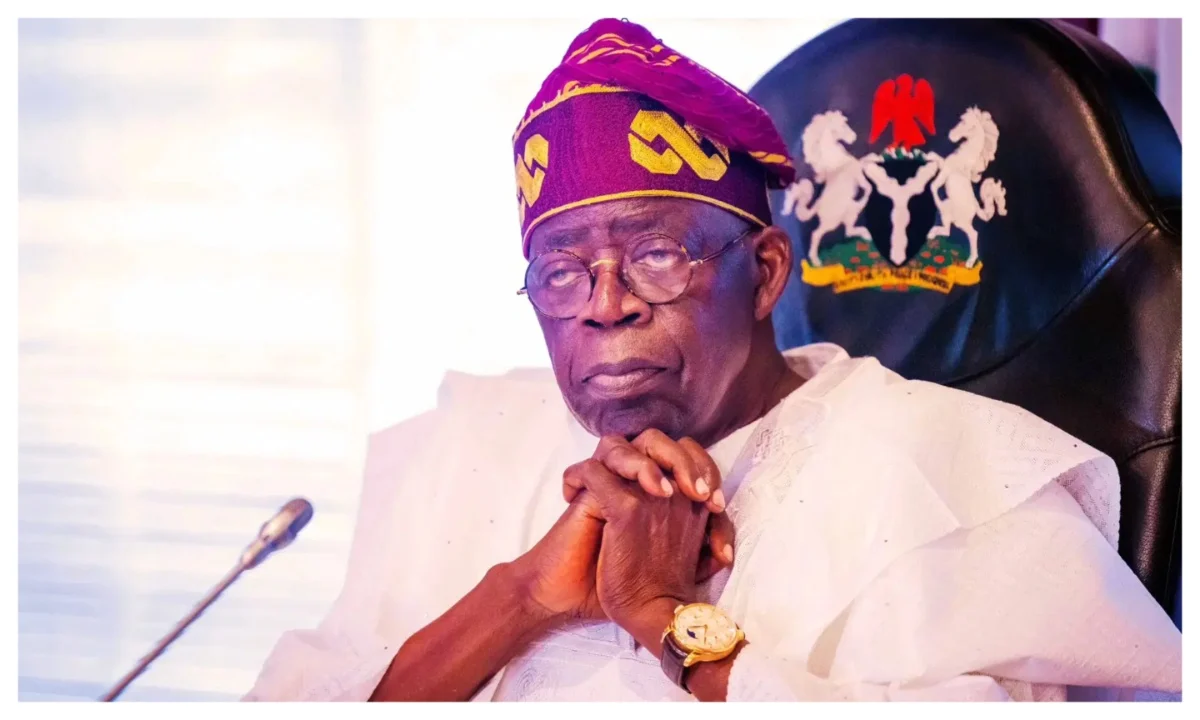
In a bid to mitigate the impact of soaring petrol prices, the Federal Government has announced a comprehensive plan comprising ten key measures. This initiative was unveiled by the Minister of Finance and Coordinating Minister of the Economy, Taiwo Oyedele, during a press briefing held in Abuja on Thursday.
The measures are designed to provide immediate relief to households, businesses, and transport users without reinstating a blanket fuel subsidy, which the government has ruled out. Oyedele emphasized that the new approach aims to cushion the effects of rising fuel costs while maintaining economic stability.
One of the primary initiatives includes a 30-day discount on petrol sold at Nigerian National Petroleum Company (NNPC) stations. This discount will prioritize public transporters, allowing them to access fuel at a reduced rate. Oyedele clarified that this initiative does not equate to a return of subsidies, as petrol will be sold at cost under this arrangement.
Additionally, the government plans to increase forward sales of crude oil to local refineries, which is expected to help stabilize domestic petrol prices amidst fluctuations in the international market. Oyedele mentioned that this strategy would free up committed crude supplies, thereby shielding consumers from drastic price changes.
To further stabilize prices, the government is negotiating a ceiling of N1,350 per litre on the landing cost of petrol. This measure aims to prevent sudden price spikes, with refiners and importers absorbing any costs exceeding this threshold until market conditions improve. Oyedele explained that this strategy is intended to smooth out price volatility rather than suppress it outright.
Moreover, the government is taking steps to eliminate illegal levies that contribute to higher transportation costs. This initiative will be pursued in collaboration with state governments under the 2025 tax reform laws.
In an effort to support the most vulnerable Nigerians, the government will increase cash transfers and provide subsidized credit to small businesses and consumers. Another significant measure includes accelerating the rollout of compressed natural gas (CNG) vehicles, which is expected to lower fuel costs for transport operators and their passengers.
The government is also considering an excess profit tax on operators exploiting the current situation within the energy sector. The funds generated from this tax will be directed towards supporting those most affected by rising fuel prices, particularly urban minimum wage earners.
To enhance supply security, the establishment of a National Strategic Fuel Reserve is planned. This reserve will help mitigate the effects of global disruptions on fuel supply and pricing, ensuring a more stable market environment.
Lastly, the government aims to improve traffic and logistics management in urban areas to reduce fuel consumption and lower logistics costs. By implementing these measures, the government hopes to address the challenges posed by rising petrol prices while safeguarding the economy from the adverse effects of a blanket subsidy.
Oyedele reiterated the government's commitment to targeted support for those most affected by fuel price increases, stating, "None of these measures restores a blanket subsidy. To do so would create longer-term harm for a short-term cure. Each measure is designed to reach the people who need help, without putting the wider economy at risk."
Sources
- Punch Newspapers Original article