Amaechi unveils Atiku's plan to cut fuel prices through domestic pricing model
Rotimi Amaechi details a strategy to lower fuel costs by adjusting crude pricing for refineries.


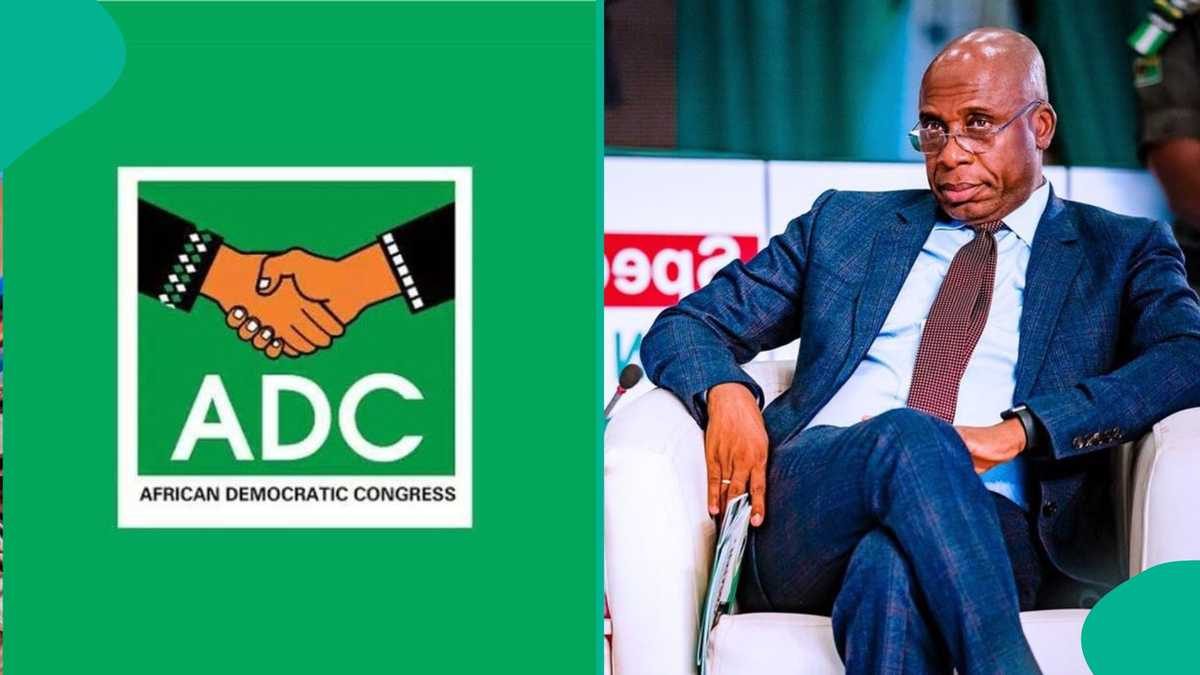
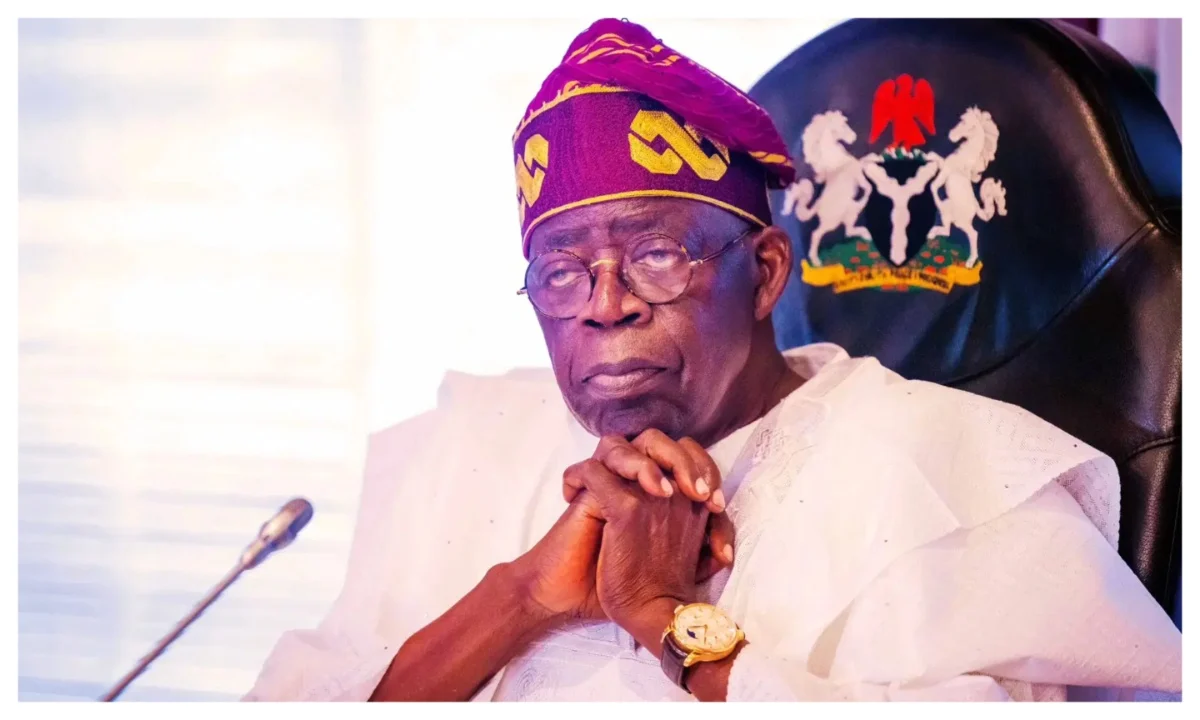
At a recent town hall meeting in Edo State, Rotimi Amaechi, the vice presidential candidate for the African Democratic Congress (ADC), outlined a new approach to fuel pricing proposed by Atiku Abubakar. The plan aims to reduce fuel prices for Nigerians by implementing a domestic crude pricing model that sets lower prices for local refineries compared to international market rates.
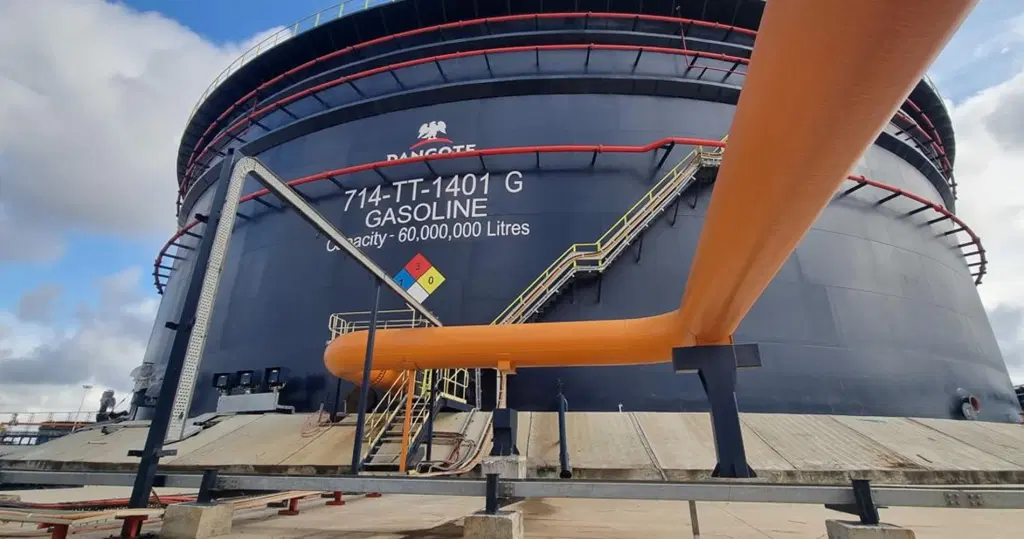
Amaechi explained that the initiative would not involve direct government subsidies. Instead, it would establish a framework where crude oil is sold to Nigerian refineries at a price significantly lower than what is available internationally. For instance, if crude oil is priced at N15,000 per unit on the global market, Nigerian refineries would purchase it for N10,000. The N5,000 difference would be compensated as a production subsidy, which would be the responsibility of the refinery owners rather than the government.
During his address, Amaechi stated, "The price at which I sell crude on the international market will be different from the Nigerian market. We will do domestic pricing. I will then sit with Dangote and tell him to give me a subsidy of N5,000. Once that happens, the price of fuel will come down." This proposal is designed to ensure that only local refinery owners benefit from this pricing scheme, effectively excluding importers of refined petroleum products.
The announcement has sparked considerable debate on social media, with many Nigerians expressing skepticism about the feasibility of the plan. Critics argue that it resembles existing subsidy arrangements under a different guise. One user pointed out, "Amaechi is simply repackaging subsidies under a different name. Selling crude below market value means Nigeria loses revenue. That's a subsidy, whether the government pays cash or not."
Concerns were also raised about potential issues such as smuggling and enforcement. One commentator noted, "And smuggling will be massive to Cameroon and other neighbouring countries. We that the subsidy is meant for will not see fuel to buy in Nigeria." Another questioned how the plan would be monitored, asking, "Who will monitor the borders to stop smuggling? Army right, the same ones fighting terrorists also?"
Despite the criticism, some responses were more supportive, suggesting that while the plan may need refinement, it is a step in the right direction. One supporter remarked, "Now this is a plan, however faint it is, you can work with this and try to expand its structure."
In a related development, the Federal Government has announced a petrol price discount at NNPC filling stations, prioritizing public transporters. Finance Minister Taiwo Oyedele confirmed this at a press conference, stating that the government would negotiate a landing cost for petrol that would be reviewed monthly. This move is seen as part of broader efforts to manage fuel prices amid ongoing economic challenges.
Sources
- Legit Original article