Houthi Attacks on Saudi Airports Result in Casualties and International Condemnation
Recent drone and missile strikes by Houthi militants on Saudi airports have left three dead and 36 injured, prompting global concern.


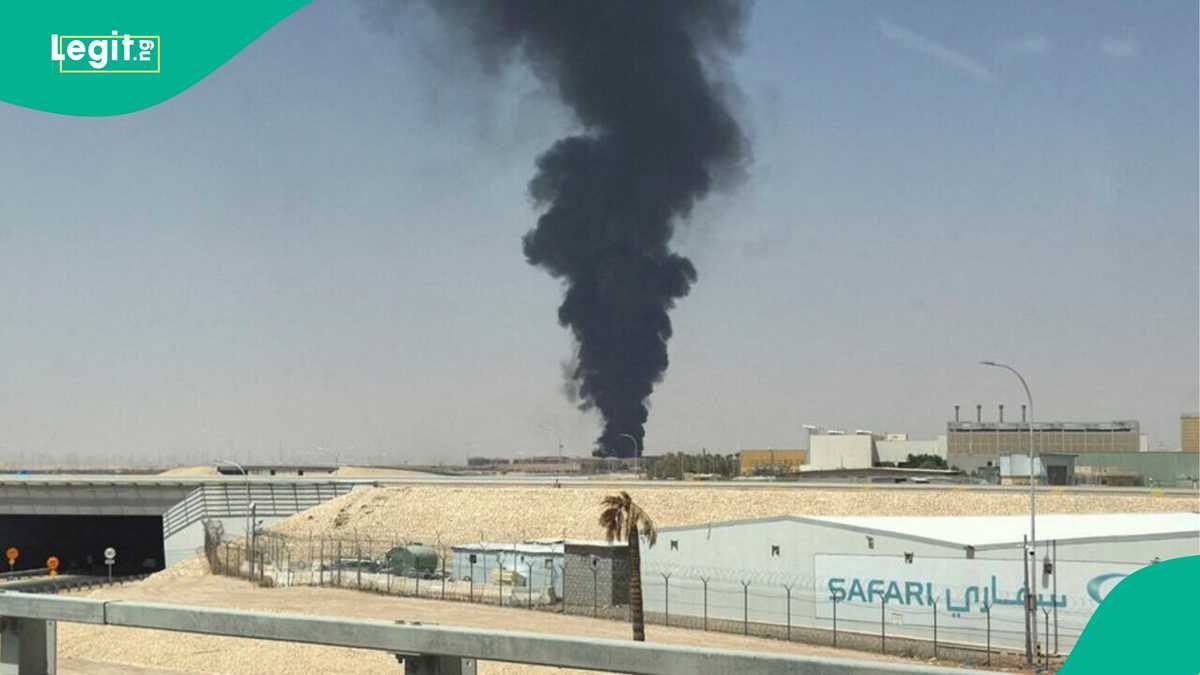
In a series of drone and missile strikes on two major airports in Saudi Arabia, three individuals have lost their lives and 36 others have sustained injuries. The attacks, attributed to Houthi militants, targeted Abha International Airport and King Khalid International Airport, leading to significant disruptions in air travel and raising alarms internationally.
The General Authority of Civil Aviation in Saudi Arabia confirmed that the first strike occurred on October 6 at Abha International Airport, resulting in the deaths of a Moroccan and an Algerian national, along with injuries to 28 others, including individuals from Bangladesh and the Philippines. The following day, a separate attack on King Khalid International Airport in Riyadh claimed the life of a Sudanese resident and injured eight others, among them five Saudi citizens and residents from Egypt and Pakistan.
Houthi military spokesperson Yahya Saree stated that the group deployed multiple unmanned aerial vehicles in the assault on King Khalid Airport, which caused significant disruptions to airport operations. Flight tracking service FlightRadar24 reported temporary airspace closures following the strikes, indicating the severity of the situation.
In response to the attacks, the US Mission in Saudi Arabia issued a security alert, cautioning American citizens about potential flight cancellations and airspace restrictions. The alert emphasized the ongoing hostilities between the Houthis and Saudi Arabia, highlighting the risk of further escalation in the military conflict.
The Gulf Cooperation Council (GCC) condemned the Houthi strikes, labeling them as "systematic crimes" that endanger civilian lives and violate international laws. Secretary-General Jassim Mohammed al-Budaiwi expressed solidarity with Saudi Arabia, emphasizing the need for unity among member states in the face of such aggression.
Moreover, the Muslim World League also condemned the attacks, with its secretary-general denouncing the actions as "treacherous terrorist attacks" that violate both religious values and humanitarian principles. This condemnation reflects a broader international concern regarding the escalation of violence in the region.
Additionally, Saudi forces intercepted a ballistic missile launched from Yemen’s capital, Sanaa, which was aimed at Riyadh. Major-General Turki al-Maliki, spokesperson for the Saudi-led coalition, confirmed the interception and destruction of the missile, tracing its launch to a platform in Sanaa.
The recent Houthi strikes are seen as a retaliation for a series of Saudi air raids on Yemen, which reportedly occurred just days prior to the attacks on the airports. The situation remains tense, with the potential for further military actions as both sides continue to engage in hostilities.
Sources
- Legit Original article