Labour Union Criticizes N70,000 Minimum Wage as Insufficient for Workers
The Association of Senior Staff of Banks, Insurance and Financial Institutions condemns the N70,000 minimum wage, calling for urgent reforms.


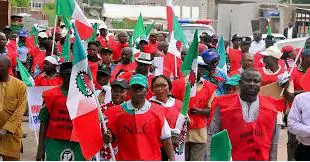
The Association of Senior Staff of Banks, Insurance and Financial Institutions (ASSBIFI) has declared that the current national minimum wage of N70,000 is grossly inadequate for Nigerian workers, failing to provide a decent standard of living. This assertion was made during the union's observance of the 2026 World Day for Decent Work in Lagos, where they emphasized the urgent need for reforms to improve workers' welfare amid escalating living costs.
ASSBIFI's Acting National President, Fanimokun Adesina, expressed deep concern over the inability of the minimum wage to meet even basic needs, stating, "The N70,000 stipend does not take the worker to the bus stop." He highlighted the absurdity of a wage that cannot cover essential expenses such as food and housing. Adesina pointed out that the current wage level does not even allow workers to afford a bag of rice or pay the monthly rent for an average family, branding this situation as tantamount to slavery.
Adesina further articulated the plight of workers, noting that the minimum wage is insufficient to provide three square meals for a family of four for two weeks. He insisted that workers deserve wages that reflect their contributions and support their families, calling for an end to what he termed 'indecent work'. He urged the Federal Government to take immediate action to alleviate the financial pressures faced by workers, particularly in areas such as food, transportation, healthcare, housing, and education.
In a related development, Mrs. Mienye Badejo, Zonal Director of the Southwest and State Controller at the Federal Ministry of Labour and Employment, acknowledged the need for a review of existing labour laws to adapt to changing workplace dynamics. Speaking at the ASSBIFI event, she noted that technological advancements and new employment practices are reshaping the banking and insurance sectors. Represented by Mrs. Franca Shaabu, Badejo assured attendees that the ministry is committed to engaging with stakeholders to ensure that labour laws remain relevant and supportive of emerging hybrid and flexible working arrangements.
The discussions at the ASSBIFI event reflect a growing concern among workers and unions regarding the adequacy of wages in Nigeria, particularly as the cost of living continues to rise. The call for a review of the minimum wage and labour laws highlights the urgent need for policy changes that prioritize the welfare of workers in the country.
Sources
- Vanguard News Original article