Dangote Refinery's Influence Sparks Fierce Competition Among Fuel Suppliers
The rise of Dangote Refinery is reshaping Nigeria's fuel market, leading to intense competition and pricing pressures.


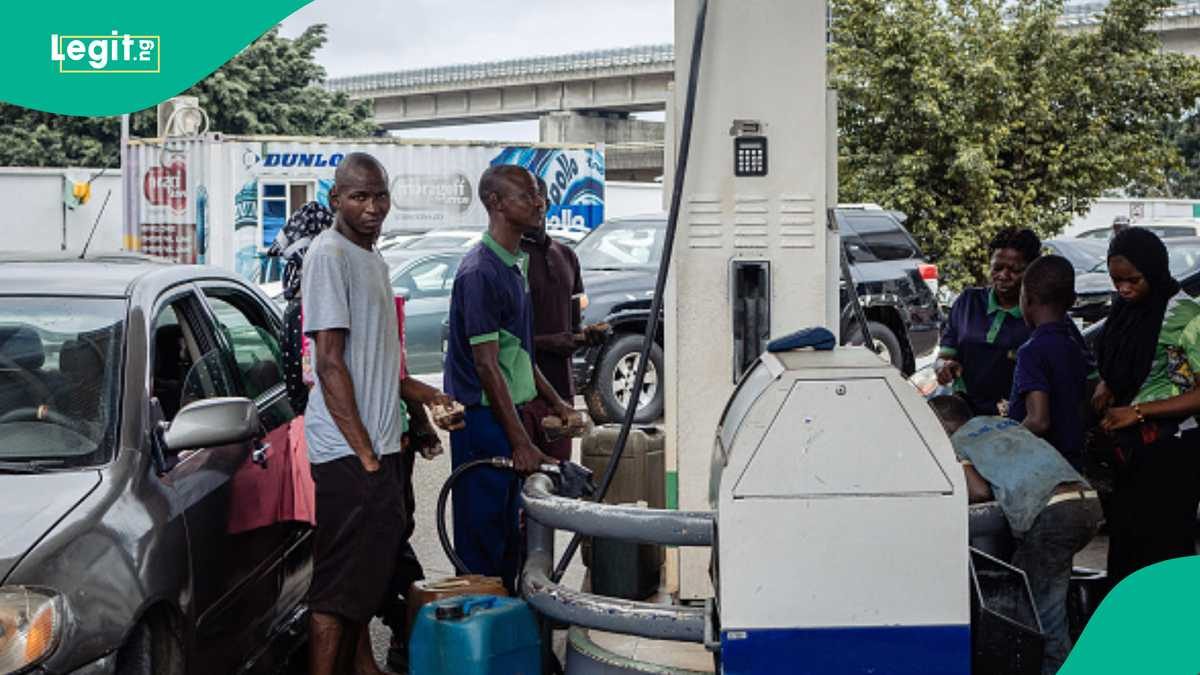
The Nigerian fuel market is undergoing significant changes as the Dangote Refinery expands its market share, intensifying competition among petroleum depot suppliers. This shift is causing suppliers to offer deeper discounts in a bid to attract buyers, despite the challenges posed by weak purchasing power and fluctuating crude oil prices.
As the Dangote Refinery continues to assert its influence, estimates suggest that it now attracts between 40% and 50% of the truck traffic that would typically go through competing depots. This shift has forced other suppliers to adjust their pricing strategies, often leading to offers that fall below the refinery's gantry prices. However, despite the apparent decrease in wholesale petrol prices, fuel affordability remains elusive for many consumers.
Marketers are grappling with high operational costs, including those associated with bulk purchases, transportation, and financing. These expenses mean that even as wholesale prices drop, the actual price at the pump may not reflect these reductions. The situation is exacerbated by reduced purchasing power among consumers, which has led many marketers to buy smaller quantities or explore alternative energy sources.
The competitive landscape is further complicated by aggressive bargaining among suppliers. Reports indicate that middlemen are leveraging offers from one depot to negotiate lower rates from others, creating a cycle of discounting that can undermine profitability. While this competitive pricing can benefit consumers, it raises questions about the sustainability of such practices in a market characterized by high operating costs.
In addition to these dynamics, international crude oil price fluctuations are adding another layer of complexity. Falling crude prices may lead suppliers to expect cheaper imports, which can weaken demand for existing stocks purchased at higher costs. Conversely, rising crude prices do not always translate to higher depot rates when demand remains sluggish, forcing suppliers to make tough decisions on inventory management.
The current environment presents a dual challenge for depot owners: they must either offer discounts to stimulate sales or risk holding onto inventory that may lose value. The pressure to maintain cash flow and meet operational costs is palpable, as slower orders further complicate the ability to replenish stocks.
As the market evolves, the long-term implications of these pricing pressures remain uncertain. While some analysts suggest that the recent decline in global crude prices could lead to eventual relief for motorists at filling stations, the immediate effects of competition and operational challenges are likely to persist.
In summary, the emergence of Dangote Refinery as a dominant player in Nigeria's fuel market is reshaping the competitive landscape, prompting suppliers to engage in aggressive pricing strategies. However, the interplay of weak demand, high operational costs, and fluctuating crude prices continues to challenge the sustainability of these practices, leaving both suppliers and consumers navigating a complex and evolving market.
Sources
- Legit Original article