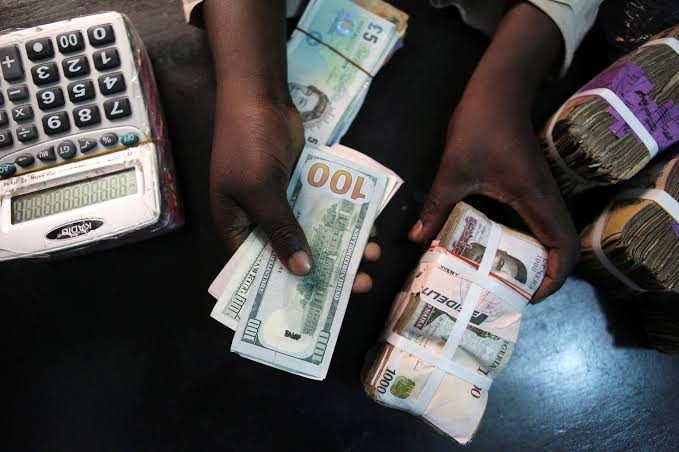
Nigeria's naira remains stable as other African currencies struggle in September 2026
Despite years of volatility, Nigeria's naira remains off the list of Africa's weakest currencies as of September 2026.


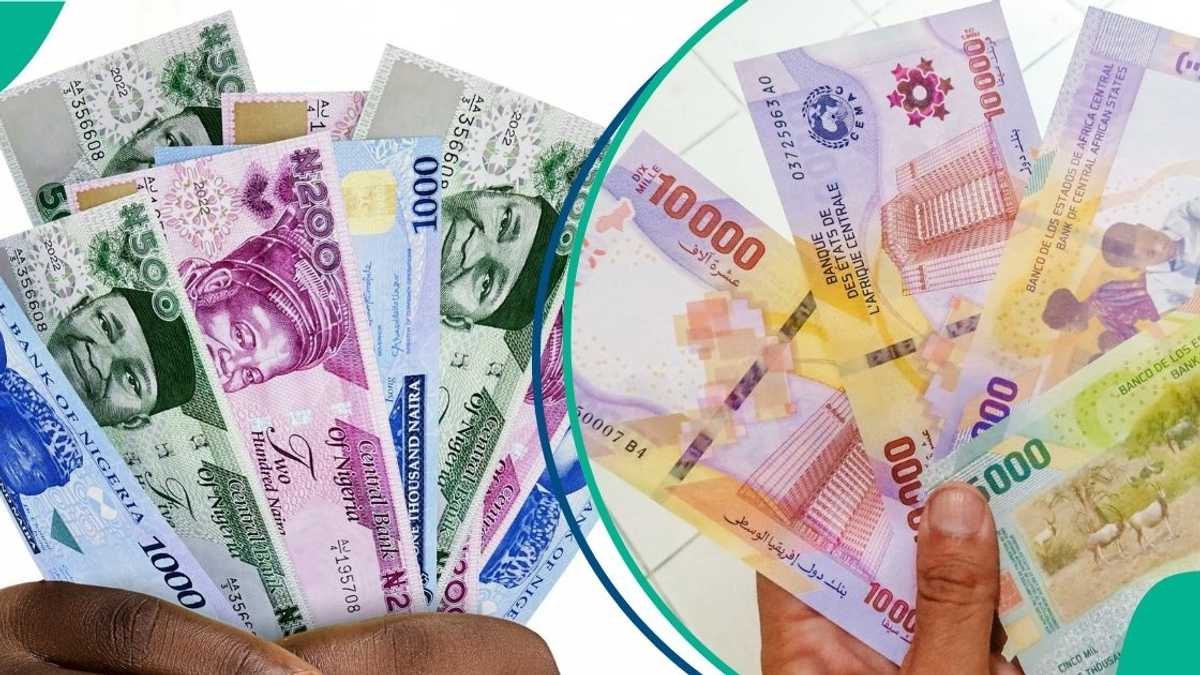
In a notable development for Nigeria's economy, the naira has successfully avoided inclusion in Africa's ten weakest currencies by nominal exchange rate in September 2026. This marks a significant shift for the Nigerian currency, which has experienced considerable depreciation and volatility in recent years, particularly following various reforms in the foreign exchange market.
According to data compiled from currency conversion rates, the currencies of São Tomé and Príncipe, Sierra Leone, Guinea, and Madagascar topped the list, requiring the highest number of local currency units to purchase one US dollar. For instance, the São Tomé and Príncipe dobra ranks first, with a staggering 22,282 units needed for a single dollar, followed closely by the Sierra Leonean leone at 20,970 units.
The absence of the naira from this list contrasts sharply with its previous struggles, where it frequently dominated discussions regarding currency depreciation across the continent. While the naira's exclusion from the ranking does not imply that it is the strongest currency in purchasing power terms, it does suggest a relative stability compared to other African currencies.
Despite this positive news for Nigeria, several other currencies on the continent continue to face significant pressures. The Ugandan shilling and Ghanaian cedi are among those struggling, with the Ugandan shilling being quoted at around 3,915 to 3,925 per dollar as of September 24. Reports indicate that demand for dollars from various sectors, including energy importers and manufacturers, is contributing to this pressure.
Similarly, the Ghanaian cedi has seen fluctuations, trading at approximately GH¢11.50 per dollar on September 17, up from GH¢11.45 the previous week. Analysts note that the demand for foreign currency, particularly from the energy and services sectors, has exceeded the available supply, although some support has come from gold-related inflows and central bank interventions.
The implications of weaker exchange rates extend beyond mere currency values; they can significantly impact economies that rely heavily on imports. A depreciating currency increases costs for businesses needing to purchase machinery and raw materials priced in dollars, which can, in turn, lead to higher prices for imported goods such as food, fuel, and electronics. Additionally, it raises the local currency cost of servicing foreign-denominated debts, further straining household finances.
As the economic landscape continues to evolve, the naira's current standing offers a glimmer of hope amid ongoing challenges in the foreign exchange market. The situation underscores the complexities of currency valuation and the broader economic factors at play across the African continent.
Sources
- Legit Original article