Dangote Refinery Expands Need for 2.1 Million Barrels of Crude Daily
Aliko Dangote's refinery operations require significant crude oil supply to meet growing demands.


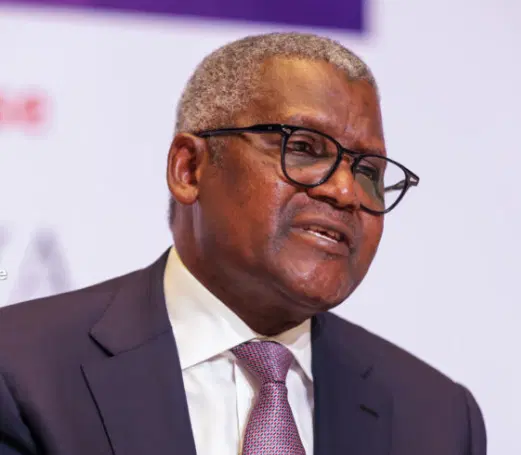
Africa’s wealthiest individual, Aliko Dangote, has announced that his refining operations will require approximately 2.1 million barrels of crude oil per day. This demand reflects the ongoing expansion of his facilities, as Nigeria aims to position itself as a leading refining hub in the region. The announcement was made during the 3rd Nigeria Oil Refining Summit (NORS 2026) held in Lagos, where Dangote was represented by Dr. Hassan Mahmood, the Chief Economist of Dangote Refinery.
Dangote’s flagship refinery in Nigeria, which has already been upgraded from a capacity of 650,000 barrels per day (bpd) to 700,000 bpd, is part of a broader strategy that includes another refinery outside Nigeria, also being enhanced to 700,000 bpd. Additionally, the group operates a 700,000 bpd facility in East Africa. Collectively, these operations will significantly contribute to the projected 2.1 million bpd requirement.
The need for a reliable and commercially viable supply of crude oil has been echoed by the Crude Oil Refinery-Owners Association of Nigeria (CORAN) and the Independent Petroleum Producers Group (IPPG). Both groups have raised concerns that many local refineries continue to face challenges in accessing crude oil despite Nigeria's abundant oil resources. They have put forth a 10-point agenda that includes proposals for the full institutionalization of a Naira-for-Crude system, transparent access for qualifying refineries, and the establishment of a domestic crude pricing framework.
IPPG Chairman, Adegbite Falade, emphasized the necessity for Nigeria to increase its crude production while fostering a commercially viable market for domestic refineries. He stated that the key issues revolve around converting reserves into production and ensuring that this production leads to a secure supply chain that enhances refining competitiveness. Falade noted a significant improvement in compliance with the Domestic Crude Supply Obligation, which rose to 97.4% in Q2 2026, up from 41% in Q1.
Momoh Oyarekhua, the Chairman of CORAN, reiterated the need for a domestic crude pricing template and a clear national refining roadmap. He highlighted the paradox of Nigeria exporting crude oil while simultaneously importing refined products, which incurs substantial economic costs. Oyarekhua called for a shift in focus to ensure that domestic refineries are adequately supplied with crude oil, which he believes is essential for Nigeria to become a refining hub for Africa.
Lagos State Governor, Babajide Sanwo-Olu, also spoke at the summit, stressing that merely having refining capacity is not enough. He pointed out that efficient logistics are crucial for ensuring that crude oil reaches the refineries and that the refined products are delivered to the market effectively. Sanwo-Olu mentioned that the Lekki Deep Sea Port, the Lekki Free Zone, and the Dangote Refinery have the potential to stimulate economic growth, creating jobs and fostering new industries around them.
As Nigeria continues to develop its refining capabilities, the collaboration between industry stakeholders and government will be vital in addressing the challenges faced by local refineries and ensuring the country maximizes its oil resources for domestic use and regional leadership in refining.
Sources
- Vanguard News Original article